How Much Sunlight Do Coastal cholla Need?
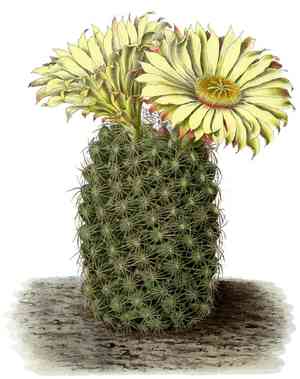
1
Coastal cholla flourishes with over six hours of direct sun each day.
2
Insufficient light may result in diminished development and heightened susceptibility to infestations.
3
Employing shade coverings can assist in regulating sun exposure, particularly during intense summer periods.
Optimal Light Conditions for Coastal Cholla
Full Sun Requirements
The Coastal cholla, originating from arid zones, is a heliophilic plant that flourishes in direct sunlight. This implies it needs unfiltered sun for most of the day. Full sun exposure guarantees the plant gets the intense light necessary for peak photosynthesis and development. Without this light level, the Coastal cholla may struggle to prosper.
Daily Sunlight Hours
For the Coastal cholla to thrive, it requires a minimum of 6 hours of direct sunlight daily. Ideally, it should receive even more, up to about 8-10 hours, especially in milder climates. In very hot regions, it's crucial to prevent prolonged exposure to intense midday sun, as this could potentially cause harm.
Seasonal Sunlight Variations
Seasonal shifts can affect the amount of sunlight the Coastal cholla receives. During summer, days are longer, providing ample light. However, in winter, shorter days and a lower sun angle might reduce available direct sunlight. Monitoring light exposure year-round and adjusting the plant's position if needed is vital to ensure continuous adequate light.
Impacts of Insufficient Sunlight on Coastal Cholla
Stunted Growth
One primary indication of inadequate sunlight in Coastal cholla is inhibited growth. The plant might not achieve its characteristic height and spread, leading to a less vigorous and smaller specimen. Ensuring sufficient light is crucial for it to reach its full growth potential.
Leaf Discoloration
Another sign of insufficient sunlight is foliage discoloration. The Coastal cholla's pads may begin to lose their healthy green color, turning pale or yellow. This change indicates the plant isn't photosynthesizing efficiently, potentially impacting its overall health.
Increased Susceptibility to Pests
Plants lacking adequate sunlight are often more prone to pests and diseases. For the Coastal cholla, this can mean more infestations, as a weakened plant is less able to defend itself. Ensuring proper light exposure can strengthen the plant's natural defenses, keeping it healthy and pest-free.
Modifying Sunlight Exposure for Coastal Cholla
Utilizing Shade Structures and Netting
In areas where sunlight becomes excessively intense, particularly at midday in summer, employing shade structures or netting can help safeguard the Coastal cholla. These tools filter sunlight, reducing the risk of damage from extreme heat while still providing ample light for growth. Shade cloths with 30-40% density are typically effective.
Placing in Optimal Locations
The positioning of your Coastal cholla is vital for maximizing its light exposure. Select a spot that gets morning sun and is protected from the harshest afternoon rays if you live in a particularly hot climate. South-facing locations are generally best in the Northern Hemisphere, offering the most consistent sunlight throughout the day.
Monitoring Sunlight with Tools
Using simple devices like light meters can help track the amount of sunlight your Coastal cholla receives. These tools provide accurate readings of light levels, allowing you to adjust the plant's position as necessary. Regular monitoring ensures your plant remains in an environment with optimal light conditions.
FAQ: Common Questions About Coastal Cholla Sunlight Needs
Can Coastal Cholla Grow in Partial Shade?
While the Coastal cholla can endure partial shade, it won't flourish as well as it would in full sun. Partial shade might hinder its growth and result in less vibrant foliage. For best outcomes, aim to place the plant where it receives full sunlight for at least 6 hours daily.
What are the Signs of Too Much Sun?
Indicators that your Coastal cholla might be getting too much sun include scorched or sunburned pads, which may appear brown or bleached. In severe cases, the plant can become dehydrated despite regular watering. If you observe these symptoms, consider providing some midday shade or relocating the plant.
How to Recover a Sunburned Coastal Cholla?
If your Coastal cholla has suffered from sunburn, move it to a shaded area immediately and slightly increase watering to aid its recovery. Avoid fertilizing the plant until it shows signs of new growth, as fertilizer can stress an already weakened cactus. You can gradually reintroduce it to full sun after it has recovered.



