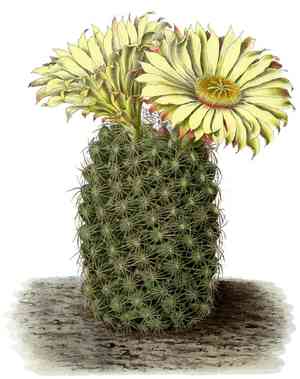
Coastal cholla (Cylindropuntia prolifera)
Also known as: Coastal Cholla
The Coastal Cholla (Cylindropuntia prolifera) is a cactus shrub species indigenous to California. It thrives in coastal sage scrub, chaparral, beach, and bluff environments. This species is notably prevalent in Santa Barbara County.
In This Article
Attributes of Coastal cholla
Lifespan
Perennial
Plant Type
Shrub
Plant Height
91 cm to 2.5 m
Spread
1.8 m
Leaf Color
Green (leaves are transient and very small)
Flower Size
1.3 cm to 2 cm
Flower Color
Red Green Purple
Images of Coastal cholla
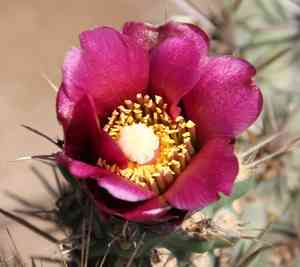
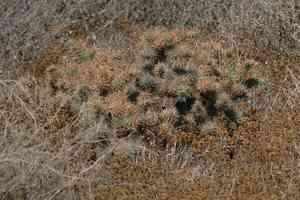
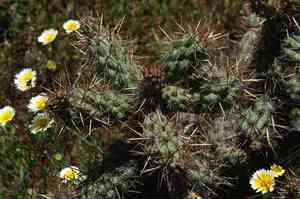
Quickly Identify Coastal cholla
1
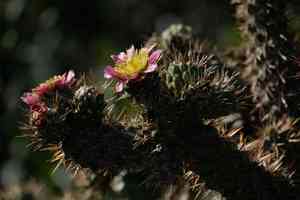
Cylindropuntia prolifera can be identified by its densely spiny stems and cylindrical joints, which distinguish it from other cacti. The spines are arranged in clusters and are detachable, which can be quite painful if they pierce the skin. The plant produces small purple to reddish flowers that emerge from the stem tips.
Scientific Classification of Coastal cholla
Phylum
Vascular plants
Class
Dicotyledons
Order
Caryophyllales
Family
Cactuses
Genus
Chollas
Species
Coastal cholla
Planting and Growing of Coastal cholla
Care Difficulty
Easy
Watering Schedule
Every 2 days
Sunlight Requirements
Full sun
Sunshine Duration
4-8 hours
Ideal Temperature
65-85℉
Soil Type
Potting Mix, Peat Mix
Soil pH
6.5-7.5
Fertilizer Type
Balanced
Pruning Season
Spring, Summer
Pruning Area
Branches, Leaves
Pruning Frequency
2 times a year
Repotting Season
Spring
Pot Type
Plastic, Ceramic
 How to Water Coastal cholla?
Cylindropuntia prolifera requires a careful balance of watering. Water the plant until the soil is thoroughly moist but not waterlogged; approximately 100 milliliters should suffice. Ensure that excess water can drain away, preventing the roots from sitting in standing water.
What are the symptoms of an underwatered Coastal cholla?
›
What should I do if my Coastal cholla is not getting enough water?
›
What are the symptoms of an overwatered Coastal cholla?
›
How to save an overwatered Coastal cholla?
›
 What Are the Sunlight Requirements for Coastal cholla?
Cylindropuntia prolifera thrives best with full sun exposure, ideally enjoying 8-10 hours of direct sunlight daily. This exposure ensures the plant maximizes photosynthetic activity, promoting healthy growth, flowering, and disease resistance, replicating its natural desert habitat.
More About Sunlight Requirements Techniques→
How can I achieve the ideal lighting condition?
›
What specific actions can I take?
›
What benefits will ideal lighting bring to the plant?
›
 What Is the Ideal Temperature Range for Coastal cholla?
Cylindropuntia prolifera thrives best in a temperature range of 65 to 85°F. Within this range, the plant can grow vigorously, maintaining optimal metabolic activities. Keeping temperatures within these limits ensures healthy photosynthesis and nutrient absorption, reducing stress on the plant.
 What Soil is Best for Coastal cholla?
Cylindropuntia prolifera thrives in well-drained soil, preventing root rot and ensuring optimal moisture regulation. This condition mimics the natural arid environments the plant is accustomed to, thereby promoting healthy growth. While Cylindropuntia prolifera is hardy, access to essential nutrients can boost its health and flowering. A moderately nutrient-rich loam or sandy soil is ideal for supplying vital nutrients without overwhelming the plant. Soil aeration is crucial for this cactus species to permit adequate air circulation to the roots. Properly aerated soil ensures that roots can breathe and prevents compaction over time, which can inhibit growth.
 How to Fertilize Coastal cholla?
Cylindropuntia prolifera benefits from a balanced fertilizer to support its growth, especially during the growing season. It typically requires a moderate application rate. For liquid fertilizers, you should dilute them to half the recommended strength on the package to avoid root burn. For slow-release fertilizers, use around a tablespoon per plant, ensuring you spread it evenly on the soil surface.
 How to Prune Coastal cholla?
Use sharp, sterilized pruning shears or garden scissors to ensure clean cuts and minimize the risk of infections. Always wear protective gloves and gear, as the plant has sharp spines. Start by identifying and removing dead or diseased segments of the cactus. Trim these sections back to the main stem to prevent the spread of disease. After dealing with unhealthy parts, focus on shaping by cutting back overly long branches to a uniform size. Maintain the natural architecture of the plant for aesthetics and health.
More About Pruning Techniques→
 How to Propagate Coastal cholla plant?
1
Choose healthy segments of the Cylindropuntia prolifera. Ensure the selected stem is mature but not too old and free from any disease or damage.
2
After cutting, allow the segments to dry and callus over for a few days before planting. This reduces the risk of rot and increases the chance of successful rooting.
3
Use a well-draining cactus soil mix to plant the cuttings. Insert the cuttings about one to two inches deep, ensuring they are secure and upright.
 How to Repot Coastal cholla plant?
1
Observing the roots emerging from the drainage holes or a noticeable decline in growth are clear signals your Cylindropuntia prolifera needs a new home. Spring and Summer offer warmer temperatures that help the plant recover faster from the stress of repotting.
2
Choose a pot slightly larger than the previous one, with ample drainage holes. A terracotta pot is ideal as it helps evaporate excess moisture, preventing root rot and ensuring the roots have adequate aeration for healthy growth.
3
Opt for a well-draining cactus mix that supports fast water runoff. A mix containing sand, perlite, or pumice is perfect, as it mimics their natural habitat, ensuring roots are not waterlogged and receive ample air circulation.



