How to Propagate Coastal cholla?
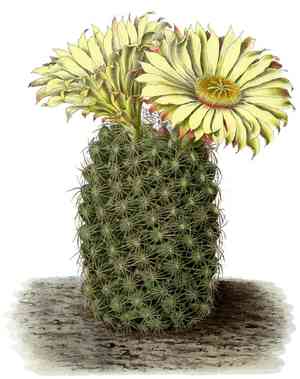
Coastal cholla flourishes most effectively when reproduced via cuttings. For successful root development, choose robust sections and permit the severed end to form a callus over several days prior to embedding in porous soil. Sustain adequate hydration and supply abundant sunlight to encourage development. This method of propagation is renowned for its effectiveness in yielding vigorous new specimens.
Optimal Time for Coastal Cholla Propagation
Propagation Method
Cutting
Propagation Period
Autumn,Winter
Tools Required for Coastal Cholla Propagation
Sharp, sterilized pruning shears
Pruning shears are vital for obtaining cuttings from coastal cholla. A sharp, clean blade ensures a precise cut, minimizing harm and lowering the chance of infection for the parent plant. Accurate cuts promote faster healing on the parent and better root development on the cuttings.
Rooting hormone powder
Applying rooting hormone to the base of coastal cholla cuttings boosts root formation. This hormone encourages quicker root growth once the cutting is planted, increasing propagation success. It's especially helpful for cacti like coastal cholla, which might otherwise take longer to establish roots.
Well-draining soil mix
A specialized soil blend for cacti, containing elements like coarse sand, perlite, and organic matter, is critical for coastal cholla. This soil type guarantees proper drainage, essential for preventing root rot in new cuttings and fostering healthy root growth.
Cactus pots with drainage holes
When propagating coastal cholla, it's important to use pots with effective drainage. Pots featuring drainage holes prevent excess water from collecting at the bottom, which could lead to root rot and negatively impact the health of new plants derived from coastal cholla's cuttings.
Protective gloves
Due to the spiny nature of coastal cholla, wearing thick protective gloves is advised for safe handling during propagation. Gloves shield hands from sharp spines, reducing injury risk and making the process of taking and planting cuttings safer and more comfortable.
How to Propagate Coastal Cholla?
Propagation Type
Moderately Difficult
Caring for Your Newly Propagated Coastal Cholla
Caring for Your Newly Propagated Coastal Cholla?
Post-propagation, coastal cholla needs minimal attention. Ensure it's situated in a spot with full sun to partial shade. Continue using a well-draining soil mix and water sparingly, particularly in colder months. During the active growth phase, a diluted balanced fertilizer can be applied monthly to support robust development. As a desert plant, coastal cholla tolerates drought but benefits from occasional watering during extended dry periods.
Common Errors to Avoid When Propagating Coastal Cholla
Overwatering
Excessive watering is a frequent mistake when propagating coastal cholla, leading to root rot and fungal issues. Coastal cholla is naturally adapted to dry conditions, requiring minimal water. Too much moisture is harmful, potentially causing decay in newly forming roots.
Using non-sterile tools
Failing to use clean, sterile tools during propagation can introduce pathogens to coastal cholla, resulting in infections and stunted growth. This error might not only hinder the rooting process but can also spread disease to other parts of the plant or nearby specimens.
Deep planting of cuttings
Inserting coastal cholla cuttings too deeply into the soil can cause the stem bases to rot before they can properly root. Correct placement is crucial to ensure adequate air circulation at the base while maintaining contact with the moist substrate.
Tips For Propagating Coastal Cholla
Proper cutting technique
Make clean cuts using a sharp, sterile knife or scissors. Ensure the cut is made at a joint, as this increases the likelihood of successful rooting for coastal cholla. The cuttings should also be allowed to callous over for a few days before planting, to prevent infection.
Appropriate soil mix
Using a well-draining soil mix, such as a cactus mix or a blend of sand, perlite, and compost, is essential for coastal cholla. This type of medium mimics their natural growing conditions and prevents water retention around the roots, reducing the risk of rot.
Indirect sunlight exposure
While rooting, place coastal cholla cuttings in indirect light. Too much direct sunlight can dehydrate the cuttings before they establish roots. Gradual exposure to more direct light can occur once the plant is more established.



