How to Prune Coastal cholla?
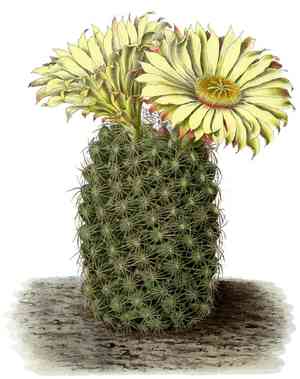
A thorny, desiccation-resistant cactus, coastal cholla thrives in dry environments. Perform trimming from late spring to early summer when the plant is actively growing for strong recuperation. Remove injured or superfluous growth; utilize protective gloves when handling its spines. Trimming improves the plant's form, encourages development, and prevents excessive density. Dispose of severed parts cautiously to avert unintended propagation. Regular upkeep ensures vitality and visual attractiveness.
What Are the Benefits of Pruning Coastal Cholla?
What Are the Benefits of Pruning Coastal Cholla?
Trimming coastal cholla promotes more abundant flowering by reallocating energy to bloom production and helps fight off pests and illnesses by eliminating affected parts, fostering a stronger specimen.
What Is the Best Time for Pruning Coastal Cholla?
What Is the Best Time for Pruning Coastal Cholla?
For coastal cholla, the optimal period for pruning is during late spring and early summer. This timing coincides with the end of the plant's dormant phase and just before its growth cycle begins. Pruning within this window allows the plant to recover from any cuts prior to its high growth stage, minimizing stress and vulnerability to diseases. Additionally, removing spent blooms or old growth can stimulate healthier and more vigorous new growth during the active growing period. Pruning any later, especially during peak summer heat, can stress coastal cholla, as it requires extra resources for healing during a time of high water demand. Furthermore, late spring to early summer pruning ensures the plant maintains its form and size while still permitting flower and fruit development, which typically occurs after this interval.
What Tools Do I Need to Prune Coastal Cholla?
Long-Handled Loppers
Loppers with extended handles offer the leverage required for cutting through the tough, woody stems of coastal cholla, while also maintaining a safe distance from the plant's spines.
Heavy-Duty Pruning Gloves
Thick leather or similarly protective gloves are crucial to shield hands from the sharp spines of coastal cholla, ensuring safe handling during trimming.
Pruning Saw
For thicker, mature stems of coastal cholla that loppers cannot manage, a pruning saw with coarse teeth can make a clean cut without getting stuck in the plant's fibrous material.
Eye Protection
Safety goggles or glasses should be worn to safeguard the eyes from flying debris or accidental contact with the spines while pruning coastal cholla.
How to Prune Coastal Cholla
Sanitization
Before pruning coastal cholla, clean and sterilize all tools to prevent disease spread. Use a solution of 1 part bleach to 9 parts water or rubbing alcohol to disinfect pruning shears and saws.
Identification
Carefully inspect coastal cholla to identify the trimmable parts specified, which include diseased leaves, withered leaves, dead branches, diseased branches, withered flowers, and excessive growth branches.
Removal of excess
Using appropriate tools, remove excessive growth branches on coastal cholla to maintain its natural shape and prevent over-crowding. Make clean cuts at a slight angle just above a joint where the branch meets a pad.
Removal of unhealthy parts
Trim off any diseased or dead branches from coastal cholla as close to the main stem as possible without cutting into healthy tissue. Remove withered and diseased leaves carefully to avoid damage to healthy parts.
Cleanup
After pruning coastal cholla, clean the site to remove all fallen debris. Properly dispose of or compost the removed plant material, especially if it's diseased, to minimize the risk of infection.
Common Pruning Mistakes with Coastal Cholla
Overzealous pruning
Cutting back too much of coastal cholla can harm the plant, as it may not be able to recover from excessive loss of limbs. This can lead to stunted growth or even plant death.
Improper cut locations
Making cuts too far from the joints or areoles can leave unsightly stubs that may not heal properly, inviting pests and disease.
Using dull tools
Pruning coastal cholla with dull blades can cause unnecessary injury and damage to the plant tissues, leading to poor healing and potentially introducing disease.
Neglecting tool sanitization
Failing to sanitize tools before and after pruning can spread disease between plants. This practice is crucial to maintain plant health.
Ignoring personal safety
Forgetting to wear protective gloves and clothing can result in injuries from the plant's spines, which coastal cholla has in abundance.
Common Pruning Tips for Coastal Cholla
Clean cuts
Make sure to use sharp, sanitized pruning tools to make clean cuts at the joints of coastal cholla to encourage proper healing and prevent disease.
Correct pruning amount
Prune only the necessary amount to shape coastal cholla or to remove dead or damaged segments, keeping healthy growth intact.
Protective gear
Always wear protective gloves and clothing to prevent injury from the sharp spines of coastal cholla during the pruning process.
Disposing of segments
Properly dispose of the removed segments of coastal cholla to prevent accidental rooting and spreading in unwanted areas.
Monitor health post pruning
Check the pruned areas over time to ensure they are healing correctly, and there's no sign of pest infestation or disease on coastal cholla.



