How to Transplant California cholla?
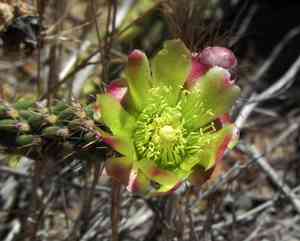
For california cholla, the ideal period for relocation spans from the vibrant warmth of late spring to the bright days of mid-summer, ensuring prime conditions for development. Select a well-drained, sun-exposed spot to facilitate a seamless adjustment.
Essential Preparations Before Relocating California Cholla?
When is the Optimal Period for Moving California Cholla?
The ideal time to move your california cholla is during the warm period from late spring through mid-summer. This timeframe naturally supports root development, ensuring a smooth transition for california cholla. By moving california cholla during these warmer months, you take advantage of longer days and suitable temperatures, which promote strong root growth and adaptation. This timing offers the perfect mix of warmth and growth potential, crucial for california cholla's success in its new spot.
What is the Recommended Spacing Between California Cholla Plants?
When relocating your california cholla, provide ample room for expansion. Position them approximately 36-60 inches (91-152 cm) apart. This spacing prevents competition for resources and allows each plant to flourish independently.
Which Soil Mixture is Best for Transplanting California Cholla?
Before planting california cholla, prepare a soil mix that drains well. Consider a sandy or gravelly base that imitates its native environment. Incorporate a cactus-appropriate fertilizer to give your california cholla a healthy start without overfeeding it.
Where Should You Replant Your California Cholla?
Select a sunny location for your california cholla as they thrive in full sun. Ensure the chosen spot receives several hours of direct sunlight daily. A south-facing position is ideal if you are in the northern hemisphere.
What Tools Are Necessary Before Transplanting California Cholla?
Gardening Gloves
To safeguard your hands when handling the sharp spines of california cholla.
Shovel or Spade
For digging around and beneath the plant to facilitate removal.
Trowel
For more precise work around the root system and when planting in the new site.
Wheelbarrow or Plant Dolly
To transport the california cholla if it is large in size.
Pruning Shears
To trim any damaged roots or plant sections.
Hose or Watering Can
To hydrate california cholla both before and after its relocation.
How to Extract California Cholla from the Soil?
How to Extract California Cholla from the Soil?
From Ground: First, water california cholla to soften the soil. Carefully dig a wide circle around the plant with a shovel, avoiding damage to the root system. Angle the shovel blade under the root ball and gently lift the plant from the ground.From Pot: Water the soil in the container to facilitate removal. Turn the pot on its side and gently tap the sides and bottom to loosen california cholla. If needed, use a trowel to free the root ball from the pot's edges, then carefully slide the plant out.From Seedling Tray: Ensure the soil is damp and use a trowel to lift the soil section containing california cholla's roots. Support the plant's base as you carefully remove it to minimize stress on the stem and roots.
Step-by-Step Guide for Relocating California Cholla
Prepare the New Site
Dig a hole in the ground that is slightly larger than the root ball of california cholla.
Examine the Root Ball
After removing california cholla from its original spot, inspect the root ball. Use pruning shears to cut off any dead or damaged roots.
Position california cholla
Place california cholla in the center of the new hole. The plant's base should be at the same level relative to the soil surface as it was previously.
Refill the Hole
Carefully backfill the hole with soil, compacting it around the roots to ensure california cholla is stable and upright.
Water Thoroughly
Immediately after planting, give california cholla a good watering at its base to settle the soil and hydrate the roots.
How to Care for California Cholla After Relocation?
Immediate Watering
Ensure the soil is thoroughly watered right after transplanting to lessen transplant shock and settle the soil.
Regular Check-ups
Monitor california cholla's stability and soil moisture over the initial weeks, watering as necessary to maintain slight dampness without over-saturation.
Support Structures
If california cholla is tall or top-heavy, consider using stakes or a plant cage for additional support during the establishment period.
Mulching
Apply a layer of mulch around the base of california cholla to help retain soil moisture and regulate temperature.
Weed Management
Keep the area around california cholla free of weeds, which can compete for nutrients and water.
Addressing Common Issues with California Cholla Relocation.
What is the ideal period to move california cholla for successful growth?
Relocate california cholla during the prime window of late spring to mid-summer for optimal root establishment.
How much space should I leave between california cholla when moving them?
Aim for ample spacing, between 36-60 inches (91-152 cm), to provide california cholla sufficient room to thrive.
What soil conditions are best for california cholla relocation success?
California cholla flourishes in well-draining soil; avoid heavy clay or excessively moist areas to prevent root rot.
How do I prepare california cholla for relocation?
Gently clean the rootball, trim any damaged roots, and gradually acclimate california cholla to its new surroundings.
How much sun exposure does california cholla need after relocation?
Place california cholla in a spot that receives full sun to maintain its vigor and encourage robust growth.
What watering schedule should I follow after relocation?
Water california cholla sparingly, allowing the soil to dry out between waterings, to mimic its natural arid environment.
How deep should the hole be when relocating california cholla?
Dig a hole as deep as the rootball and twice as wide, to allow california cholla's roots to spread comfortably.
Should I fertilize california cholla after relocation?
Fertilize sparingly, if at all, as california cholla is adapted to low-fertility conditions; excessive fertilization can be detrimental.
Can california cholla withstand relocation in colder weather?
It's best to avoid cool temperatures; relocate when conditions are warm, mirroring california cholla's native climate.
How can I protect california cholla during the first year after relocation?
Provide some afternoon shade, ensure proper watering, and keep weeds away to support california cholla's acclimation.



