How to Prune California cholla?
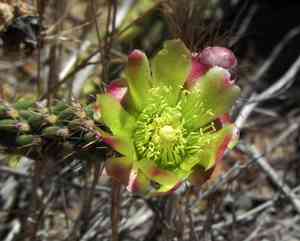
Distinguished by its prickly, segmented stalks, california cholla flourishes with deliberate trimming. Prune to preserve its form or eliminate compromised portions in late winter or early spring, coinciding with its inactive phases. Employ sanitized, keen implements to execute accurate incisions at stem junctions, thereby lessening plant strain. Pruning improves air circulation, light penetration, and diminishes the incidence of pests and ailments. Protect yourself with gloves and tongs because of its pointed spines. Consistent upkeep ensures a thriving, vigorous california cholla.
What Are the Benefits of Pruning California Cholla?
What Are the Benefits of Pruning California Cholla?
Trimming california cholla encourages robust development and helps maintain its desired form. This action promotes new, healthy shoots that enhance the plant's vitality and look.
What Is the Best Time for Pruning California Cholla?
What Is the Best Time for Pruning California Cholla?
Pruning california cholla in late winter or early spring is optimal as this timing coincides with the end of the plant's dormant phase and just before new growth begins. Trimming in late winter allows gardeners to easily view the california cholla's structure without leaves or flowers obstructing, enabling more precise cuts. Early spring pruning ensures that any fresh wounds on the california cholla heal quickly with rising temperatures, reducing the risk of infections or pests exploiting the pruning sites. Additionally, this timing prevents the removal of new growth that occurs during the plant's active growth phase, which starts in the spring. It also avoids cutting off developing buds or flowers, ensuring the plant's natural flowering or fruiting cycles are not disrupted.
What Tools Do I Need to Prune California Cholla?
Long-handled loppers
Excellent for providing reach and leverage, often necessary to safely trim california cholla without getting too close to its spines.
Thick gloves
Crucial for protecting hands from the sharp spines of california cholla. Heavy-duty gloves, possibly leather or similar tough material, should be used.
Pruning saw
Useful for removing larger, woodier sections of california cholla that long-handled loppers cannot manage.
Garden shears
Good for snipping smaller, more accessible growths of california cholla. Choose a pair with strong, sharp blades for clean cuts.
Tongs
Helpful for handling pruned segments of california cholla, preventing direct contact with spines and allowing for safe disposal.
Safety glasses
To shield eyes from accidental contact with the sharp spines of california cholla during the pruning process.
Drop cloth
To easily collect pruned segments of california cholla, preventing spines from embedding in the surrounding ground where they could root or cause injuries.
How to Prune California Cholla
Prepare Tools
Gather protective gloves, sharp pruning shears or a knife, and disinfectant. Protective gear is essential when handling california cholla due to its spines.
Disinfect Equipment
Sanitize cutting tools to prevent the spread of diseases while pruning california cholla.
Remove Diseased Parts
Carefully trim away any diseased leaves by cutting at their base where they meet the stem. Avoid cutting healthy tissue to prevent damage to california cholla.
Trim Withered Leaves
Trim withered leaves similarly, cutting at their base while being careful not to harm healthy parts of california cholla.
Clean Up
After pruning california cholla, collect and dispose of the removed plant material and clean the tools used.
Common Pruning Mistakes with California Cholla
Overpruning
Removing too much of california cholla at once can stress the plant, leading to poor growth or lack of flowering. It's important to prune sparingly and carefully.
Improper Cut Locations
Cutting california cholla too close to the joints or the main stem can hinder healing, invite disease, and disrupt growth patterns.
Using Dull Tools
Pruning california cholla with dull or unclean tools can result in ragged cuts, increase the risk of infection, and damage the plant's tissues.
Ignoring Diseased Sections
Failing to remove diseased or damaged parts of california cholla during pruning can allow pathogens to spread throughout the plant.
Pruning Health Segments
Mistakenly pruning healthy segments as well as unhealthy ones can reduce the vigor and aesthetic appeal of california cholla.
Common Pruning Tips for California Cholla
Sharp Clean Tools
Ensure using sharp and sterilized pruning tools to make clean cuts on california cholla, minimizing damage and the risk of disease.
Selective Removal
Selectively remove only the dead, dying, or unhealthy segments of california cholla to promote growth without excessive stress on the plant.
Protective Gear
Always wear protective gear, including gloves and long sleeves, to guard against california cholla's spines during pruning activities.
Angled Cuts
Make cuts at a slight angle to prevent water from pooling on the cut surface, which could lead to rot and fungal infections.
Post-Pruning Care
Offer california cholla appropriate care after pruning, such as adequate water (but not too much) and ensuring that the plant is not exposed to severe stress like excessive sunlight immediately after pruning.



