The California cholla Plant Advantage: Maximizing Home and Office Appeal and Wellness
1
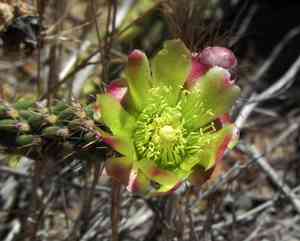
California cholla tolerates drought exceptionally well, flourishing in dry environments with little water.
2
This plant offers crucial shelter and sustenance for creatures in the desert.
3
California cholla possesses distinctive thorny formations that discourage plant-eaters and safeguard the plant.
What Makes California cholla Unique?
Drought Tolerance
California cholla flourishes in dry environments where water is scarce. Its exceptional ability to withstand drought allows it to survive and even thrive under conditions that would challenge many other plant types. The plant's adaptive features include storing water in its fleshy stems and minimizing water loss through a reduced leaf surface area, which collectively help it endure extended dry periods.
Defensive Features
One of the most notable characteristics of California cholla is its spiky exterior. These spines, while contributing to the plant's distinctive look, serve crucial protective roles. They deter herbivores from consuming the plant, minimizing damage and increasing its chances of survival. Additionally, the spines can offer shade to the plant's surface, reducing water loss and providing some protection from the intense desert sun.
Ecological Benefits of California cholla
Supporting Wildlife
California cholla plays a vital role in its ecosystem by offering shelter and sustenance for various desert-dwelling creatures. Birds, insects, and small mammals find refuge among its spiny branches, while some species feed on its fruits and other parts. The plantâs contribution to the food web is essential for maintaining the balance and biodiversity of desert ecosystems.
Soil Stabilization
The robust root system of California cholla is highly effective in combating soil erosion. In areas susceptible to wind and water erosion, the plant's roots help to anchor the soil, preventing it from being washed or blown away. This stabilizing effect is particularly important in desert environments, where vegetation cover is sparse and the land is more vulnerable to erosion.
Practical Uses of California cholla
Landscaping and Ornamental Value
California cholla is increasingly popular in xeriscaping and water-wise landscaping. Its distinctive appearance and low water needs make it an appealing choice for homeowners looking to create a visually attractive garden while conserving water. The plant's resilience ensures it requires minimal upkeep, making it ideal for those who desire a beautiful garden without constant maintenance.
Natural Barriers
The dense, spiny structure of California cholla makes it an excellent natural barrier or living fence. It can be planted around property boundaries to create a formidable obstacle that deters intrudersâboth human and animalâwhile also adding an element of natural beauty. This practical use leverages the plant's natural defenses to provide an additional layer of security.
Cultivating California cholla at Home
Growing Conditions
If you are interested in growing California cholla in your garden, it's important to replicate its natural arid habitat as much as possible. This plant prefers well-drained sandy or rocky soil and full sunlight. Overwatering is one of the few threats to California cholla, as it is well adapted to dry conditions.
Propagation Tips
California cholla can be propagated through cuttings or seeds. When using cuttings, itâs essential to allow the cut surface to dry and form a callus before planting it in soil, which helps prevent rot. Seeds require patience, as they can take a while to germinate, but with the right conditionsâsunny exposure and well-drained soilâthey can eventually grow into hardy specimens.
Conservation and Preservation
Endangerment Status
Given its hardy nature, California cholla is not currently classified as endangered. However, its habitat is sometimes threatened by human activities such as urban development and land conversion. Conservation efforts focus on preserving its natural habitat and promoting awareness of its ecological importance.
How to Contribute
Individuals can contribute to the preservation of California cholla by advocating for and supporting sustainable land-use practices that protect desert ecosystems. Additionally, planting indigenous species like California cholla in local gardens can help maintain genetic diversity and support local wildlife.



