Enhancing Your Garden Design with the California cholla Plant: A Landscaping Guide
1
California cholla provides a distinct texture and look, making it a prominent feature in garden design.
2
With correct placement, California cholla flourishes with little upkeep because of its ability to withstand dry conditions.
3
Combining California cholla with suitable companion plants creates aesthetically pleasing and eco-friendly landscapes.
Introducing California Cholla in Garden Design
Discovering the unique visual appeal of California cholla
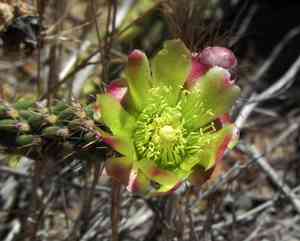
California cholla offers a distinct charm to any garden with its complex structure and striking outline. Its cylindrical branches, covered in spiny segments, create an engaging visual texture. This intricate detail not only adds depth to landscape designs but also establishes a focal point that captures attention. Gardeners and landscapers today value California cholla for this quality, transforming ordinary spaces into remarkable artistic displays.
The role of California cholla in contemporary and traditional garden styles
Adaptability is a key strength of California cholla in garden planning. In modern landscapes, its geometric shape complements minimalist and current aesthetics. Conversely, in traditional settings, its rugged, natural look integrates well with rustic themes. Whether utilized in rock gardens, desert environments, or mixed perennial beds, California cholla effortlessly adapts to diverse garden styles, providing a timeless beauty that continues to inspire.
Selecting the Ideal Spot for California Cholla
Factors to consider for optimal placement
Positioning California cholla correctly is vital for its development and visual contribution. Account for the plant's mature size to prevent overcrowding. Ensure adequate soil drainage to avoid root rot. Minimize proximity to paths and busy areas due to its spines. Placing California cholla where it can be admired but not accidentally touched will provide both safety and enjoyment.
How sunlight and shade influence California cholla
California cholla thrives best in full sun, which encourages vigorous growth and vibrant coloration. However, it can endure partial shade but might show slower development and reduced flowering. For peak health and appearance, ensure it receives at least six hours of direct sunlight daily. Adjustments in location may be necessary over time as surrounding plants mature and light and shadow patterns shift.
Integrating California Cholla With Other Plants
Companion plants that enhance California cholla's characteristics
To highlight California cholla's distinct features, pair it with plants that offer contrasting forms and colors. Ornamental grasses, with their soft textures, provide a striking contrast to California cholla's spiny structure. Succulents like agave or aloe work well, adding varied shapes and complementary hues. Wildflowers can also introduce a burst of color, creating captivating visual contrasts that emphasize California cholla's unique appeal.
Advice for creating harmonious plant combinations
Harmonious planting involves considering form, size, and hue. Varied heights add layers to the landscape, preventing a flat appearance. Utilize California cholla's height to provide vertical interest. Color coordination is essentialâjuxtapose California cholla's subdued tones with brighter flowers or deeper greens to create a balanced and appealing palette. Keep in mind the growth habits of companion plants to ensure they do not compete aggressively for space or resources.
Maintaining the Visual Appeal of California Cholla
Seasonal considerations for California cholla's look
Throughout the seasons, California cholla maintains its structural integrity but may undergo changes in appearance. In spring, new segments add fresh green tones. Summer heat can enhance the plant's overall texture and resilience, while autumn may bring subtle color shifts. Although relatively low-maintenance, occasional pruning to remove dead segments can preserve its shape and health, ensuring year-round aesthetic appeal.
Addressing common aesthetic issues
Aesthetic challenges with California cholla often involve damage or disease. Tackle these by regularly inspecting for pests such as scale insects. Remove any affected parts to prevent spread. Environmental stresses can cause tip die-back; trimming these areas promotes healthy growth. Proper watering schedules must be maintained, especially during extended dry periods, to keep the plant robust and visually pleasing.
Enhancing Design Through Strategic Use of California Cholla
Creative concepts for using California cholla as a focal point
Creativity makes California cholla a landscape highlight. Use California cholla as a dramatic focal point by planting it in an elevated bed or on a pedestal, allowing its form to capture and reflect light differently throughout the day. Design dry creek beds or rock gardens around it to capitalize on its natural desert aesthetic. Surrounding it with low-growing plants ensures it remains the center of attention.
Examples of California cholla in landscape art and design
Designers have utilized California cholla in various innovative ways. One notable instance is its use in xeriscape gardens, which prioritize water conservation. Its inclusion in contemporary sculpture gardens leverages its geometric form to complement modern art pieces. Additionally, California cholla frequently appears in educational botanical gardens, showcasing native plant species and their ecological significance to wider audiences.



