How to Transplant Caigua?
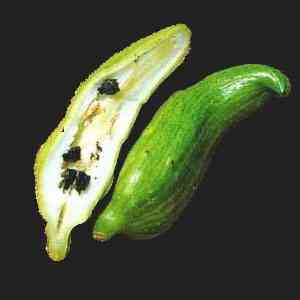
For caigua, the ideal period for relocation is from early spring through late spring, ensuring the best conditions for root development. Choose a location that receives ample sunlight and drains effectively. Carefully introduce caigua to its new environment to avoid transplant stress.
What Preparations are Needed Before Transplanting Caigua?
What is the Ideal Time for Transplanting Caigua?
The optimal period for relocating your caigua spans from the onset of spring to the brink of early summer. This timeframe offers mild temperatures and sufficient growing days ahead, fostering vigorous development. This duration provides a gentle climate that facilitates the caigua's adjustment, allowing roots to establish without the stress of extreme heat or cold. This strategic timing is crucial for a flourishing caigua that will reward you with strong growth and a plentiful harvest. Embrace this prime transplanting season, and observe caigua thrive in its new spot.
How Much Space Should You Leave Between Caigua Plants?
When preparing to move your caigua, remember to provide ample room for their development. Aim for approximately 24-36 inches (60-90 cm) between plants. This will allow them sufficient area to grow vertically and extend their vines.
What is the Best Soil Mix for Caigua Transplanting?
Prior to relocating your caigua, enrich the soil to be fertile and well-draining. Incorporate a generous amount of organic material, such as compost, to nourish your caigua. A balanced, slow-release fertilizer will give your plants an excellent start.
Where Should You Relocate Your Caigua?
Your caigua thrives in sunlight, so select a location that receives full sun for optimal growth. This means at least 6-8 hours of direct sunlight daily. A warm, bright spot will help your caigua flourish and yield abundant fruit.
What Equipments Should You Prepare Before Transplantation Caigua?
Gardening Gloves
To safeguard your hands while handling soil and plants.
Trowel or Spade
For digging and shifting earth during the relocation process.
Watering Can or Hose
To hydrate the plant both prior to and following its transfer.
Pruners or Scissors
To trim any damaged roots or foliage if necessary.
Garden Fork
To loosen the soil surrounding the plant's root ball before extraction.
Wheelbarrow or Plant Tray
To move the plant from its initial spot to the new location.
Support Stakes or Trellis
To offer structural aid for caigua as it matures, given its climbing nature.
How Do You Remove Caigua from the Soil?
How Do You Remove Caigua from the Soil?
From Ground: Hydrate the caigua plant to moisten the soil before starting. Use a garden fork to gently loosen the earth around the plant. Next, excavate a wide perimeter around the plant with a spade, deep enough to encompass the entire root ball. Carefully lift the plant by sliding the spade beneath the root ball, ensuring minimal disruption to the roots.From Pot: Water the caigua plant to make the soil damp, which will aid in easier removal. Tilt the container on its side and gently tap or squeeze the edges to loosen the root ball. Gradually slide the plant out, supporting the base and stems carefully to prevent harm.From Seedling Tray: Moisten the soil around the seedlings first. Use a trowel or a small spoon to carefully dig around the individual seedling cell. Gently lift the seedling by its leaves, avoiding any strain on the stem, ensuring to bring along the entire root system and soil clump.
Step-by-Step Guide for Transplanting Caigua
Plant Removal
Gently clear the surrounding earth and carefully extract the caigua plant from its previous growing environment, taking care not to harm the roots. For plants in the ground, use a spade and for pots or seedling trays, use appropriate hand tools.
Hole Preparation
Excavate a hole at the new site that is twice the width of the root ball and the same depth to ensure the caigua's roots have ample room to spread without bending. Loosen the soil at the bottom of the hole.
Plant Positioning
Place the caigua plant in the center of the hole, ensuring it's upright and at the same depth as it was in the original location. Gently spread the roots outward if they are clustered.
Soil Refill
Backfill the hole with earth, gently tamping down around the base of the caigua to eliminate air pockets. Water thoroughly to help settle the soil around the roots.
Support Installation
If necessary, install stakes or a trellis near the caigua plant to provide support as it grows. Make sure not to damage the root system when placing the supports into the ground.
How Do You Care For Caigua After Transplanting?
Regular Watering
Immediately after relocation, water the caigua deeply to help reduce transplant shock. Continue to water consistently, allowing the soil to dry slightly between waterings, encouraging root establishment.
Mulching
Apply a layer of organic mulch around the base of caigua to help retain soil moisture and regulate soil temperature, being careful to keep mulch away from the stem to prevent rot.
Monitoring Growth
Check the caigua regularly for signs of development or stress. Provide additional care as needed by adjusting supports for climbing, monitoring for pests, and ensuring sufficient water is available.
Adapting Care
As the caigua plant adjusts to its new location, gradually reduce watering to normal levels and begin routine maintenance such as weeding and checking for pests or diseases.
Troubleshooting Common Issues with Caigua Transplantation.
When is the best time to transplant caigua for optimal growth?
The ideal period to transplant caigua is during early to late spring when the risk of frost diminishes.
How far apart should I space my caigua when transplanting?
Aim for a spacing of approximately 24-36 inches (60-90 cm) between each caigua to ensure adequate room for growth.
Why are my transplanted caigua seedlings wilting?
Wilting can result from shock; ensure careful handling, sufficient watering, and avoid midday sun during transplanting.
What soil conditions favor caigua after transplanting?
Well-drained soil, enriched with organic matter, provides a healthy beginning for your transplanted caigua.
How much sunlight do caigua plants need post-transplant?
Position your caigua in a spot where they can receive full sunlight for vigorous growth.
Can I transplant caigua when it's flowering or fruiting?
Relocate caigua before it begins to bloom or set fruit to avoid disrupting its development and yield.
How do I water my caigua after transplanting?
Water your caigua thoroughly after transplant and maintain consistent moisture, especially during dry periods.
Is mulching beneficial for caigua after transplanting?
Yes, a layer of mulch helps retain soil moisture, regulate temperature, and suppress weeds around your caigua.
What is the ideal temperature for transplanting caigua plants?
Transplant your caigua once the soil consistently remains above 50°F (10°C), indicating a sufficiently warm environment.
What should I do if my caigua doesn't seem to grow?
Verify soil fertility and pH, ensure adequate sunlight, and check for pests or diseases that may hinder growth.



