How to Prune Caigua?
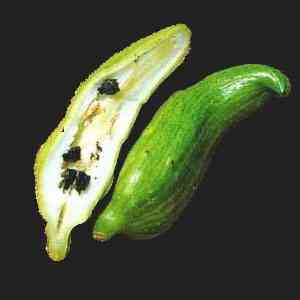
Originating from South America, caigua is a robust climbing plant recognized for its hollow, cucumber-shaped produce. Effective trimming entails eliminating side branches to foster upward development and greater fruit yield. Vines that are flowering and bearing fruit gain from judicious thinning, which improves air movement and light exposure. Perform pruning from spring through early autumn to sustain the plant's well-being. Primary advantages encompass warding off illnesses, boosting harvests, and enhancing fruit dimensions. Always employ sanitized, keen implements to avert harm to the primary stem.
What Are the Benefits of Pruning Caigua?
What Are the Benefits of Pruning Caigua?
Trimming caigua promotes robust development and helps maintain its desired form. Strategic cuts can encourage stronger, healthier growth, and a neater appearance.
What Is the Best Time for Pruning Caigua?
What Is the Best Time for Pruning Caigua?
Pruning caigua in Spring coincides with the plant's awakening from dormancy, stimulating vigorous growth and allowing early shaping. Early Summer pruning is advantageous as it directs the plant's energy towards fruit production rather than excessive leaves. Pruning in Early Fall is crucial for removing dead or diseased parts before winter dormancy, helping to prevent disease spread.
What Tools Do I Need to Prune Caigua?
Hand Pruners
Perfect for making clean cuts on caigua's thinner, green stems without causing damage. Opt for bypass pruners, which offer a gentle, scissor-like action on plant tissue.
Pruning Saw
Essential for cutting through thicker, woody stems that may develop on mature caigua plants. A fine-toothed saw ensures precise cuts without tearing the bark.
Gloves
Hand protection for the gardener is vital due to caigua's potentially rough or spiny vines, ensuring a safe pruning experience.
Loppers
Useful for reaching stems within denser caigua growth and providing extra leverage for cutting slightly thicker stems where hand pruners might be insufficient.
Pruning Shears
Helpful for shaping caigua and removing unwanted tendrils or side shoots, enabling selective thinning and effective growth direction.
Garden Scissors
Suitable for snipping delicate parts and deadheading caigua, allowing for precise work on smaller growth points.
How to Prune Caigua
Select Tools
Choose sharp, sanitized pruning shears to prevent damage to caigua and inhibit disease transmission.
Identify Withered Leaves
Thoroughly inspect caigua to locate withered leaves, which are typically brown, dry, and may be curled or drooping.
Sanitize Hands And Tools
Before beginning, sanitize your hands and clean the pruning shears with alcohol or a household disinfectant to prevent infection.
Cut Withered Leaves
Using the shears, carefully remove withered leaves at their base where they connect to the stem or branch, to encourage better growth and air circulation.
Dispose Of Waste
Gather the removed withered leaves and discard them away from the garden area to prevent the risk of diseases spreading to healthy caigua parts or other plants.
Common Pruning Mistakes with Caigua
Ignoring Plant Structure
Beginner gardeners might trim caigua without considering its natural climbing habit and unique form. Maintaining the vine's structure is crucial for optimal growth.
Over-Pruning
Some might remove too much foliage at once, stressing caigua and diminishing its ability to photosynthesize effectively.
Improper Cutting Technique
Using dull or unclean tools can result in jagged cuts, making caigua more vulnerable to diseases and pests.
Neglecting To Prune
Even experienced gardeners might overlook that regular pruning benefits caigua's health and productivity; neglect can lead to reduced airflow and light penetration.
Removing Productive Parts
Inexperienced gardeners might accidentally prune away flowers or young fruits, decreasing the yield of caigua.
Common Pruning Tips for Caigua
Selective Pruning
Focus on removing only dead or diseased material to prevent the spread of problems throughout caigua.
Maintain Structure
Trim caigua to support its natural climbing habit, using stakes or trellises to encourage vertical growth and improved air circulation.
Promote Airflow
Thin out dense foliage to enhance air circulation, which is vital for preventing fungal diseases in caigua.
Stimulate Growth
Prune lateral shoots to encourage the growth of main vines, resulting in a stronger and more productive caigua.
Clean Tools
Always use clean, sharp pruning shears to ensure clean cuts that heal quickly, preventing infection in caigua.



