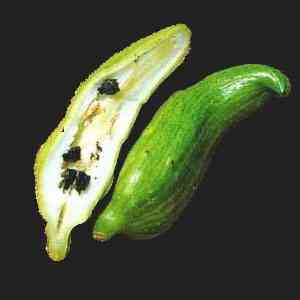
Caigua (Cyclanthera pedata)
Also known as: Cyclanthera, Wild cucumber, Stuffing gourd
Caigua, a vegetable grown for centuries in Central America, is often seen as invasive in some introduced regions. Traditionally, the edible fruits are prepared by hollowing them out and filling them with a mixture of ingredients like ground meat or rice. These stuffed fruits are then cooked, either by baking or simmering, to create a flavorful dish.
In This Article
Attributes of Caigua
Lifespan
Annual, Biennial, Perennial
Plant Type
Herb, Vine
Plant Height
12 m
Spread
1 m
Leaf Color
Green
Flower Size
10 cm to 20 cm
Flower Color
Green White
Images of Caigua
Quickly Identify Caigua
1
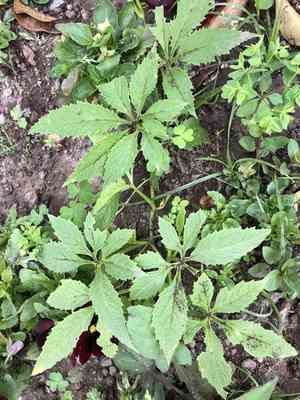
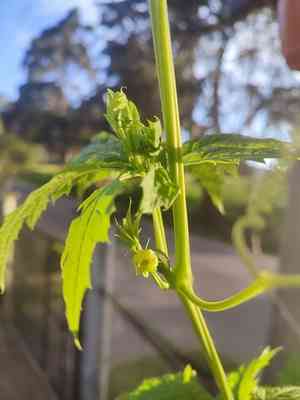
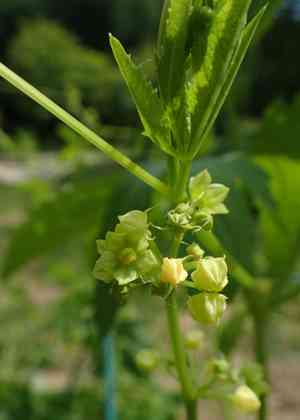
Cyclanthera pedata can be identified by its slender, climbing vines and palmately lobed leaves. The flowers are small and white to greenish, often hidden among the foliage. The fruits are elongated, cucumber-like with thin flesh and a hollow interior filled with seeds.
Scientific Classification of Caigua
Phylum
Vascular plants
Class
Dicotyledons
Order
Cucurbitales
Family
Gourd
Genus
Cyclanthera
Species
Caigua
Planting and Growing of Caigua
Care Difficulty
Easy
Watering Schedule
Every 8 days
Sunlight Requirements
Partial sun
Sunshine Duration
6-10 hours
Ideal Temperature
68-77℉
Soil Type
Potting Mix, Peat Mix
Soil pH
6.5-7.5
Fertilizer Type
Balanced
Pruning Season
Spring, Summer
Pruning Area
Branches, Leaves
Pruning Frequency
2 times a year
Repotting Season
Spring
Pot Type
Plastic, Ceramic
 How to Water Caigua?
Cyclanthera pedata prefers deep watering to ensure that the moisture reaches its root system, which usually means watering about 500ml at a time. The goal is to soak the soil sufficiently without creating standing water.
What are the symptoms of an underwatered Caigua?
›
What should I do if my Caigua is not getting enough water?
›
What are the symptoms of an overwatered Caigua?
›
How to save an overwatered Caigua?
›
 What Are the Sunlight Requirements for Caigua?
Cyclanthera pedata prefers partial sun, ideally with 4 to 6 hours of light exposure each day. Optimal light encourages robust growth, enhances flowering, and maximizes fruit yield by supporting efficient photosynthesis processes.
More About Sunlight Requirements Techniques→
How much light does Cyclanthera pedata need?
›
Why is partial sun important for Cyclanthera pedata?
›
What solutions exist to achieve ideal lighting for Cyclanthera pedata?
›
 What Is the Ideal Temperature Range for Caigua?
The ideal temperature range for Cyclanthera pedata is between 68°F and 77°F. These temperatures allow the plant to thrive, promoting healthy growth and fruit production. Cyclanthera pedata, also known as Caigua or Wild Cucumber, originates from tropical climates, thus it is important to maintain these temperatures for optimal growth.
 What Soil is Best for Caigua?
Cyclanthera pedata thrives best in soil rich in nutrients. The inclusion of well-rotted compost or organic matter greatly enhances the soil's fertility, which leads to healthier plants and more vibrant fruit production. This plant prefers soil that retains moisture well, yet is not waterlogged. A well-drained soil ensures that the roots receive adequate hydration without suffocating, promoting robust root development and vigorous growth. A loamy soil that balances sand, silt, and clay provides the ideal texture for Cyclanthera pedata. This texture aids in maintaining structure and adequate aeration, supporting the plant’s overall health and yield.
 How to Fertilize Caigua?
For Cyclanthera pedata, use a balanced liquid fertilizer diluted to half-strength. Each application should cover the base area of the plant, ensuring the surrounding soil is lightly moistened. Avoid saturating the plant as this might lead to nutrient burn.
 How to Prune Caigua?
Start by identifying the main stems and remove any dead or diseased stems right away. Look for branches that cross or grow inward and cut them back to maintain an open, airy structure that allows sunlight and air to reach the inner parts of the plant. To encourage a bushier appearance, pinch back the tips of the branches. This means using your thumb and forefinger to remove the tips of new growth. This action encourages the plant to branch out more, resulting in a fuller, bushier plant. Cut back overgrown stems to the desired length just above a leaf node. This method controls the plant's size and helps maintain a compact form. If you wish to keep the plant within a specific area or prevent it from overtaking other plants, this is essential.
More About Pruning Techniques→
 How to Propagate Caigua plant?
1
Begin by selecting a well-draining potting mix that is rich in organic matter. Moisten the soil adequately to create a hospitable environment for seeds or cuttings.
2
For seed propagation, sow the seeds about half an inch deep into the prepared soil. Ensure even spacing and cover them lightly with soil. Maintain adequate moisture to support germination.
3
Choose healthy stems for cuttings, usually 6-8 inches long. Strip away the lower leaves and plant them halfway into the moistened soil. Keep the soil moist and maintain high humidity around the cuttings.
 How to Repot Caigua plant?
1
Cyclanthera pedata should be repotted when you notice roots encircling the pot's base, or when water takes a long time to drain through the soil. This indicates that the plant has outgrown its pot or that the soil has become compacted. Spring and summer are ideal as the plant is in its active growth phase, making adaptation easier.
2
Select a pot that is one size larger than the current one with ample drainage holes. This allows room for root expansion and prevents waterlogging, which can lead to root rot. A slightly larger pot helps in maintaining an even moisture level without overwhelming the plant with excess soil.
3
Opt for a well-draining organic potting mix or a soil specifically designed for vegetables. This type of soil retains necessary moisture while allowing excess water to drain out easily. Such drainage aids in avoiding water saturation, which can suffocate the roots and lead to fungal infections.



