How Much Sunlight Do Caigua Need?
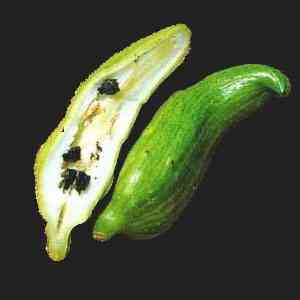
1
Caigua flourishes in direct sunlight, though it can endure some shade.
2
Ensure your Caigua gets a minimum of 6 hours of unfiltered sun for peak development.
3
Varying seasons impact the amount of sun your Caigua gets, so reposition it as needed.
Ideal Light Conditions for Caigua
Full Sun vs. Partial Shade
For optimal Caigua growth, proper sunlight is key. These plants thrive in full sun, needing at least 6 hours of direct sunlight daily. While partial shade is tolerated, significant light deprivation will impede overall development and fruit yield.
Optimal Daily Sunlight Exposure
Caigua plants benefit most from 6 to 8 hours of direct sunlight. Consistent light promotes vigorous growth, vibrant foliage, and abundant fruit production. Morning sun is especially beneficial, helping dry dew and reduce fungal disease risk.
Seasonal Light Adjustments
Sunlight varies seasonally, requiring adaptable Caigua care. Summer typically provides ample light. However, winter, even in sunny regions, brings shorter days and weaker light. You may need to move your Caigua to the brightest spot or use supplemental grow lights.
Ensuring Adequate Sunlight for Your Caigua
Choosing the Right Spot
Selecting the correct location is the first step for sufficient Caigua sunlight. Find garden or balcony areas that receive the most daily sun. South-facing spots are usually best for direct light.
Utilizing Reflective Surfaces
A clever method to boost sunlight exposure is using reflective materials. Place reflective items like aluminum foil or white boards near your Caigua. These surfaces redirect light onto the plant, increasing its exposure from various angles.
Pruning and Spacing Management
Effective pruning and spacing are crucial for each Caigua plant to get enough sun. Trim overgrown branches or nearby plants that might shade your Caigua. Ensure adequate plant spacing to prevent overcrowding and competition for light.
Indicators of Insufficient Sunlight for Caigua
Foliage Discoloration
A clear sign of inadequate sunlight for your Caigua is yellowing leaves. Without enough light, Caigua cannot photosynthesize effectively, leading to chlorosis, or yellowing. Address this by moving the plant to a brighter location promptly.
Stunted Growth and Flowering
If your Caigua struggles to grow or produce blooms, insufficient sunlight may be the cause. Ample light is essential for healthy growth and fruit development. Meeting its light needs can lead to a flourishing and productive Caigua.
Elongated Stems
Leggy stems also indicate a Caigua plant lacking sunlight. To reach for light, the plant stretches its stems, becoming thin and weak. This harms the plant's structure and reduces its fruiting capacity. Monitor and adjust its position for sufficient daylight.
Caigua's Tolerance to Reduced Light
Adapting to Lower Light
While Caigua prefers full sun, it can adapt to less light to some extent. When moving to a low-light setting, gradually acclimate the plant by slowly reducing light exposure. Sudden changes can stress the plant, causing negative effects.
Supplementing with Artificial Illumination
When natural light is insufficient, such as in winter, consider using artificial grow lights. LED grow lights are a good option, providing the necessary light spectrum without excessive heat. Position lights to cover the entire plant and run them for 8-12 hours daily to mimic natural sunlight.
Monitoring Plant Vitality
Closely observe your Caigua in low-light conditions. Regularly check for signs like yellowing leaves or leggy growth, indicating the plant is struggling. Adjust your artificial lighting or move the plant to a more naturally lit area if these issues persist.



