How to Propagate Caigua?
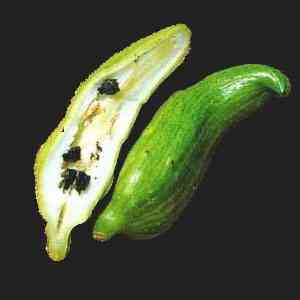
Cyclanthera pedata, a vining plant prized for its consumable produce, is chiefly multiplied by planting seeds. Deposit seeds into adequately draining earth once the final frost has concluded. To guarantee effective sprouting, keep the growing medium uniformly damp. Young plants need structures for ascent; trellises or poles are appropriate. Being a rapid developer, cyclanthera pedata thrives with consistent irrigation and ample sunlight. Progressive adaptation to external environments boosts robustness prior to relocation.
When Is the Optimal Time to Propagate Caigua?
Propagation Method
Seeding
Propagation Period
Spring
What Equipment Is Used for Caigua Propagation?
Seed trays
Seed trays are vital for initiating caigua seeds indoors or in controlled environments. These trays enable uniform seed distribution, giving each seed ample room to sprout without competition. This setup aids in monitoring soil moisture and temperature, crucial elements for successful caigua germination.
Peat pots
Peat pots are especially advantageous for caigua because their biodegradable composition minimizes transplant shock. Since caigua can be sensitive to root disturbance, using peat pots allows for direct planting into the garden or larger containers without removing the plant from its initial vessel, preserving root integrity.
Watering can with a fine rose
This tool is essential for gently irrigating caigua seeds and seedlings without dislodging or exposing them. The fine rose attachment evenly disperses water, providing a soft flow that supports delicate young plants without causing soil erosion or displacement.
Heat mat
A heat mat is highly recommended for caigua propagation to maintain a consistent soil temperature, which is crucial for germination. This device ensures that the soil temperature remains ideal, particularly in cooler climates or during colder months, thereby improving the germination rate and uniformity of seedling growth.
Grow lights
If propagating caigua indoors or in suboptimal light conditions, grow lights can supply the necessary light spectrum that caigua needs for healthy development. These lights promote strong vegetative growth and help prevent seedlings from becoming leggy, ensuring sturdy plants ready for transplanting.
How to Propagate Caigua?
Propagation Difficulty
Simple
How to Care for Your Newly Propagated Caigua?
How to Care for Your Newly Propagated Caigua?
Following propagation, continue to water caigua deeply and regularly, especially during extended dry spells, as consistent moisture is vital for their growth and fruit production. Apply a balanced fertilizer monthly during the growing season to provide adequate nutrients. Monitor for pests and diseases, and use organic methods to control them if necessary. Finally, harvest caigua fruits when they are young for superior flavor and tenderness.
Common Errors to Avoid When Propagating Caigua
Overwatering
Excessive watering of caigua can lead to root rot and fungal infections, which can severely hinder the young plant's development and reduce its propagation success.
Planting Seeds Too Deeply
Caigua seeds are not particularly large and therefore should not be buried too deep. Planting seeds too deeply may prevent them from germinating as they might not receive sufficient light and oxygen.
Ignoring Humidity Needs
Neglecting the requirement for high humidity levels during the initial growth phases can result in poor germination and weak seedlings.
Advice For Propagating Caigua
Well-Draining Soil
Utilizing a soil mix that offers excellent drainage with organic matter will help caigua develop a robust root system without the risk of waterlogging.
Proper Seed Depth
Sow caigua seeds at a shallow depth, approximately 1/2 inch, to ensure they receive enough light and air to germinate effectively.
Maintaining High Humidity
Creating a microclimate with increased humidity, for instance by using a humidity dome or misting, can help caigua seeds germinate and young plants establish more successfully.



