How to Transplant Queen sago?
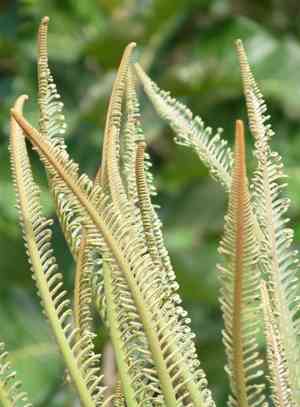
The most favorable period for transplanting queen sago is in the initial to middle stages of spring's active growth, allowing roots to settle in temperate conditions. Select bright locations featuring soil that drains effectively, and during the move, exercise caution to protect its fragile root structure.
Necessary Preparations Before Relocating Queen Sago?
Optimal Period for Queen Sago Relocation?
The best time to move queen sago is from early spring's initial growth to late spring's full development. Moving it then aligns with its natural growth cycle, aiding root establishment and reducing shock. This timing ensures a smooth transition, allowing the plant to adapt before summer's heat stress.
Required Spacing Between Queen Sago Plants?
When selecting a new spot for your queen sago, aim for ample room. A distance of 6-8 feet (1.8-2.4 meters) between plants will guarantee sufficient space for thriving without resource competition.
Ideal Soil Blend for Queen Sago Relocation?
A soil that drains well and is rich in organic material is perfect for your queen sago. Before moving it, mix in a balanced, slow-release fertilizer to give your queen sago an excellent start. A pH level of about 6.0 to 6.5 is optimal for these beautiful plants.
Recommended Location for Queen Sago?
Select a site where your queen sago will receive partial to full sun. They flourish with morning sun and afternoon shade, or filtered light throughout the day—this will help maintain the vigor and health of your queen sago.
Equipment Needed Before Queen Sago Transplantation?
Gardening Gloves
To safeguard your hands while digging and handling the queen sago.
Shovel or Spade
For excavating the queen sago and preparing its new planting site.
Hand Trowel
For more precise tasks or minor soil adjustments.
Wheelbarrow or Garden Cart
To move the queen sago and soil.
Pruning Shears
To trim any damaged roots or fronds.
Watering Can or Hose
For hydrating the queen sago before and after its move.
Gardening Fork
To loosen the soil surrounding the plant's roots.
Rooting Hormone Powder (Optional)
To stimulate root growth post-transplantation.
How to Extract Queen Sago from the Soil?
How to Extract Queen Sago from the Soil?
From Ground: Start by watering the queen sago to moisten the soil, making it easier to manage. Use a shovel to dig a wide circle around the plant, being careful not to harm the root ball. Gently pry beneath the root ball with the shovel or gardening fork and carefully lift the queen sago from its original spot.From Pot: Water the queen sago beforehand to facilitate the removal of the root ball. Tilt the pot sideways and gently tap it to loosen the plant. Slowly slide the queen sago out while supporting the stem's base with your hand.From Seedling Tray: Water the seedlings thoroughly, then use a hand trowel or a specialized dibber to carefully lift each seedling from the tray. Support the root ball to prevent damage.
Step-by-Step Guide for Queen Sago Transplantation
Preparation
Gather all necessary tools and thoroughly water the queen sago before transplanting to hydrate its roots.
Removal
Carefully extract the queen sago from the ground, pot, or seedling tray as described above, minimizing root disturbance.
Transplant Hole
Dig a hole in the new location that is twice as wide and equally deep as the root ball. Break up any compacted soil at the edges to encourage root expansion.
Planting
Position the queen sago in the center of the hole. The top of the root ball should be level with the surrounding ground. Gently backfill the hole with soil, ensuring not to bury the queen sago's crown.
Watering
Thoroughly water the queen sago after planting to settle the soil and remove air pockets. Continue watering to keep the soil moist but not waterlogged.
Support
If the queen sago is large, staking might be necessary. Insert a stake at the root ball's edge and loosely tie the queen sago to it to prevent movement.
Post-Transplant Care for Queen Sago?
Stabilization
Ensure the queen sago is firmly anchored in the ground if it's large; if it wobbles, add stakes for support.
Mulching
Apply a layer of organic mulch around the queen sago to help retain moisture and regulate soil temperature.
Monitoring
Regularly inspect the queen sago for signs of shock or illness, such as wilting or discolored fronds, and address issues promptly.
Pruning
Remove any damaged or dead fronds to direct the queen sago's energy towards establishing its root system.
Resolving Common Queen Sago Transplantation Issues.
When is the best time to transplant queen sago for optimal growth?
The ideal period for transplanting queen sago is from mid-spring to late spring for better root establishment.
How far apart should I space queen sago when transplanting?
Place queen sago 6-8 feet (1.8-2.4 meters) apart to ensure adequate space for growth and air circulation.
Why are the leaves of queen sago turning yellow after transplanting?
Yellowing leaves might indicate excessive watering or poor drainage. Ensure the soil drains well and avoid over-watering.
How deep should the hole be for transplanting queen sago?
Dig a hole twice as wide and the same depth as the root ball to promote root expansion.
Can I transplant queen sago during the summer or winter?
It's best to avoid summer or winter as extreme temperatures can stress queen sago. Stick to the ideal transplanting season.
Why is my transplanted queen sago not showing new growth?
New growth may take time after transplanting. Ensure proper care and avoid disturbing the roots to help it settle.
Should I use fertilizer immediately after transplanting queen sago?
Wait a few weeks before fertilizing to allow queen sago to adjust. Use a balanced, slow-release fertilizer sparingly.
How much should I water queen sago after transplanting?
Water thoroughly after transplanting, then maintain consistent moisture without overwatering. Allow the topsoil to dry out slightly between watering.
What type of soil is best for transplanting queen sago?
Use a well-draining soil mix with organic matter to provide nutrients and proper soil structure for queen sago.
How can I protect queen sago from transplant shock?
Minimize root disturbance during transplanting, water adequately, mulch, and provide shade if necessary to reduce stress.



