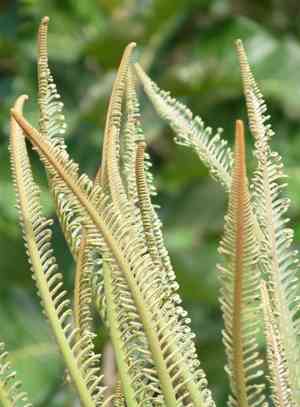
Queen sago (Cycas circinalis)
Also known as: Queen sago palm
Despite its innocent appearance, the queen sago (Cycas circinalis) is highly toxic in all its parts, necessitating extreme caution when handling it. The plant contains harmful chemicals, including carcinogens, in its sap. While it is commonly grown as an ornamental plant worldwide, it is native to a small region in India and relies on insect pollination to produce seeds.
In This Article
Attributes of Queen sago
Lifespan
Perennial
Plant Type
Tree, Shrub
Plant Height
1.8 m to 4.5 m
Spread
2.5 m to 3.5 m
Leaf Color
Green
Flower Size
Not applicable as this plant does not produce traditional flowers but rather cones
Flower Color
Not applicable
Images of Queen sago
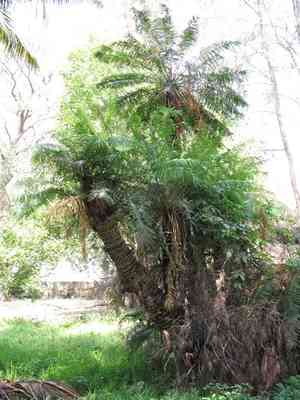
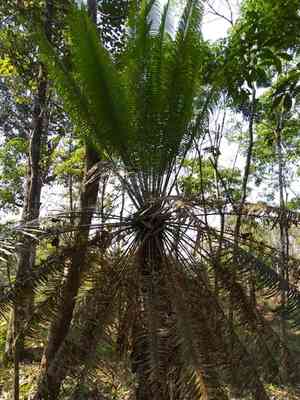
Quickly Identify Queen sago
1
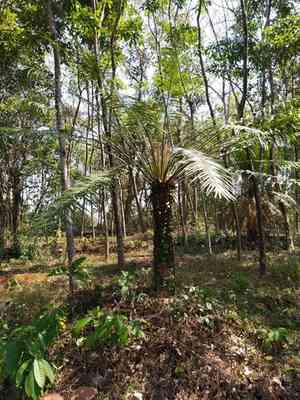
Cycas circinalis can be identified by its stiff, feather-like leaves that radiate from a central trunk. The trunk is usually cylindrical and rough. The plant produces large, ornamental cones and has a crown of dark green, glossy leaves.
Scientific Classification of Queen sago
Phylum
Vascular plants
Class
Cycads
Order
Cycadales
Family
Cycad
Genus
Cycas
Species
Queen sago
Planting and Growing of Queen sago
Care Difficulty
Hard
Watering Schedule
Every 3 days
Sunlight Requirements
Partial sun
Sunshine Duration
6-10 hours
Ideal Temperature
75-85℉
Soil Type
Potting Mix, Peat Mix
Soil pH
6.5-7.5
Fertilizer Type
Balanced
Pruning Season
Spring, Summer
Pruning Area
Branches, Leaves
Pruning Frequency
2 times a year
Repotting Season
Spring
Pot Type
Terracotta, Plastic
 How to Water Queen sago?
When watering Cycas circinalis, aim for around 500 ml of water. Ensure the soil is evenly moistened but not waterlogged. This helps maintain soil moisture levels without drowning the roots.
What are the symptoms of an underwatered Queen sago?
›
What should I do if my Queen sago is not getting enough water?
›
What are the symptoms of an overwatered Queen sago?
›
How to save an overwatered Queen sago?
›
 What Are the Sunlight Requirements for Queen sago?
Cycas circinalis enjoys dappled or partial sunlight akin to its natural understory environment. Adequate light fosters lush growth, robust leaf structure, and higher resistance to diseases.
More About Sunlight Requirements Techniques→
Is partial sun best for Cycas circinalis?
›
What if I can only offer full shade?
›
How do I mimic natural lighting conditions indoors?
›
 What Is the Ideal Temperature Range for Queen sago?
The ideal temperature range for Cycas circinalis is between 75°F and 85°F. This range helps mimic its natural, tropical habitat, encouraging optimal growth and health. Consistent temperatures within this range ensure the plant maintains vibrant foliage and robust structure.
 What Soil is Best for Queen sago?
Cycas circinalis thrives in well-drained soil, which helps prevent root rot. This ensures that excess moisture does not suffocate the roots, promoting healthier growth and longevity. A nutrient-rich substrate is crucial for optimal growth. This cycad benefits from soils enriched with organic matter, which supply essential nutrients and support robust foliage. While the soil should be well-drained, it should also retain some moisture to sustain the plant. Consistent moisture levels contribute to steady nutrient absorption and vigorous growth.
 How to Fertilize Queen sago?
For Cycas circinalis, it's important to use a balanced fertilizer with equal parts of nitrogen, phosphorus, and potassium. Typically, for liquid fertilizer, use about half a teaspoon per gallon of water for every application. For slow-release granules, follow the manufacturer's recommended dosage by size of plant and container.
 How to Prune Queen sago?
Begin pruning Cycas circinalis by removing any damaged or diseased fronds. Use clean, sharp pruning shears to cut the fronds as close to the trunk as possible. Always cut at an angle to prevent water from pooling on the cut surface, which could promote rot. Clear away any debris from around the base to prevent pathogen build-up and enhance air circulation.
More About Pruning Techniques→
 How to Propagate Queen sago plant?
1
Before planting, soak the seeds in warm water for 24 to 48 hours. This helps soften the seed coat, improving water absorption and accelerating the germination process.
2
Use a mixture of sand and peat moss or a specialized well-draining cactus mix for planting. Ensure the medium is sterile to prevent fungal infections and other soilborne diseases.
3
Place seeds on the surface of the soil, slightly pressing them into the surface without fully burying them. It's crucial to maintain orientation with the viable end pointing downward to encourage proper growth direction.
 How to Repot Queen sago plant?
1
Cycas circinalis shows that it needs repotting when its roots emerge from the drainage holes or when the soil dries out quickly after watering. It's best to repot during its active growing seasons, spring or summer, to encourage healthy adaptation to the new pot.
2
Select a pot that is slightly larger than the current one, with ample drainage holes. This prevents waterlogging and root rot, ensuring better aeration for the roots. The material can be clay or plastic, depending on your preferences, but ensure it meets the size and drainage requirements.
3
A well-draining, sandy soil mix works best for Cycas circinalis. It mimics the plant's natural habitat, providing optimal aeration and preventing water retention, which could otherwise lead to root rot. A mixture of cactus soil and sand or perlite is ideal.
Toxicity
ingestion of seeds or plant parts
WARNING
The judgment on toxicity and danger is for reference only. We DO NOT GUARANTEE any accuracy of such judgment. Therefore, you SHALL NOT rely on such judgment. It is IMPORTANT TO SEEK PROFESSIONAL ADVICE in advance when necessary.
Learn More About Queen sago Diseases
Anthracnose
Bacterial Leaf Spot
Bacterial Soft Rot
Black Spot
Chemical Injury
Crown Gall
Cyst Nematode
Damping-off
Drought Stress
Fusarium Wilt
Gray Mold
Leaf Spot
Mosaic
Nutrient Deficiency
Nutrient Toxicity
Powdery Mildew
Root Rot
Root-knot Nematode
Sooty Mold
Spider Mites
Temperature Stress
Thrips Damage
White Mold



