How to Prune Queen sago?
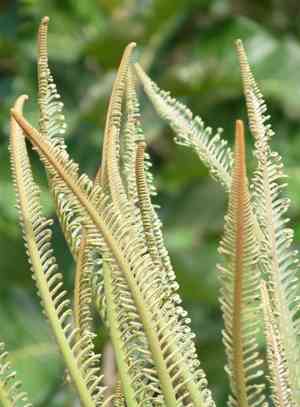
This cycad, resembling a palm, is recognized for its pinnate foliage and gradual development. For queen sago, trim away injured or discolored fronds at their origin with sanitized, keen implements. Detaching offshoots is also advisable to preserve the plant's structure and foster its well-being. Executed ideally in the colder months when development is least active, trimming prevents excessive density and facilitates improved airflow. Limiting incisions lowers the likelihood of illness, with hygiene and precise timing being vital for effective upkeep.
What Are the Benefits of Pruning Queen Sago?
What Are the Benefits of Pruning Queen Sago?
Trimming queen sago promotes robust development and helps maintain its desired form. Strategic cuts encourage healthy new leaves, vital for the plant's appearance and vigor.
What Is the Best Time for Pruning Queen Sago?
What Is the Best Time for Pruning Queen Sago?
Winter is considered ideal for trimming queen sago for several reasons. Firstly, during this period, the plant is typically dormant, meaning active growth is minimal. Without the strain of active growth, the plant can recover from pruning more effectively. Secondly, with fewer leaves and vegetative structures, it's easier to identify and access the parts of the plant that may need trimming. Furthermore, removing excess or dead foliage in winter reduces the risk of pest and disease infestations, which are more common during warm, active growth periods. Lastly, winter pruning allows queen sago ample time to heal before the spring growth surge, preparing it for a healthier growth cycle.
What Tools Do I Need to Prune Queen Sago?
Sharp Bypass Pruners
Perfect for making clean cuts on smaller, more precise areas of queen sago. These pruners enable healthy cutting without crushing plant tissues.
Loppers
They offer the extra leverage needed for cutting through thicker fronds of queen sago that might be too large for hand pruners.
Pole Pruner or Pole Saw
Suitable for reaching higher fronds without needing a ladder, ensuring safety while trimming queen sago.
Gardening Gloves
These protect hands from the sharp edges of the queen sago fronds and from potential skin irritants.
Pruning Saw
For the toughest, oldest stems, a sturdy pruning saw can make the task simpler and more efficient.
How to Prune Queen Sago
Sanitation
Before starting the trimming process, sanitize your pruning tools with alcohol or bleach to prevent the spread of diseases to queen sago.
Identification
Carefully identify dead branches by looking for a lack of green foliage or a dry, brittle appearance. Similarly, find diseased branches by signs of discoloration, unusual growths, or visible pests.
Cutting Dead Branches
Carefully cut dead branches at the point where they emerge from the trunk or from the main living stem. Use sharp, clean pruning shears and make the cut as close to the stem as possible without damaging it.
Removing Diseased Branches
Remove diseased branches by making cuts well into the healthy tissue, at least several inches below the diseased portions, to ensure all parts of the disease are removed. Dispose of these branches away from healthy plants to prevent contamination.
Cleanup
Clear away all trimmed material and fallen debris around queen sago to maintain good hygiene and prevent any potential disease from spreading. Ensure all cuts on the plant are clean and smooth to promote efficient healing.
Common Pruning Mistakes with Queen Sago
Overpruning
Removing too many fronds can stress queen sago, weakening the plant and potentially leading to poor health or death. Prune sparingly and only when necessary.
Improper Tool Use
Using dull or dirty cutting tools can damage the fronds and introduce diseases. Always use clean, sharp tools for a clean cut.
Pruning Healthy Foliage
Cutting away healthy fronds can hinder photosynthesis and the overall energy production for queen sago. Only remove fronds that are dead, dying, or diseased.
Ignoring Disease Prevention
Neglecting to sterilize tools between cuts, especially when removing diseased material, can spread pathogens throughout queen sago or to other plants.
Improper Cut Location
Making cuts too close to the trunk or too far from it can either damage the trunk or leave unsightly stumps that can invite pests and diseases.
Common Pruning Tips for Queen Sago
Selective Pruning
Carefully select only the fronds that are yellow, brown, or damaged. Healthy green fronds contribute to queen sago's growth and should not be removed.
Angled Cuts
Make cuts at an angle to allow water runoff, preventing rot and disease at the cut site on queen sago.
Clean Tools
Clean and sterilize pruning tools before and after use to prevent the spread of diseases to or from queen sago.
Protective Gear
Wear gloves and safety glasses to protect yourself from queen sago's sharp fronds and natural toxins.
Appropriate Technique
Use a gentle hand and avoid tearing or ripping fronds off queen sago, which can cause unnecessary damage to the plant.



