Enhancing Your Garden Design with the Queen sago Plant: A Landscaping Guide
1
Queen sago adapts well and flourishes in warm, humid regions.
2
Consistent yet measured watering is crucial for Queen sago's well-being.
3
Positioning Queen sago as a central feature can greatly boost your garden's aesthetic charm.
Introducing Queen Sago: A Distinctive Garden Selection
Appreciating the visual appeal of Queen sago
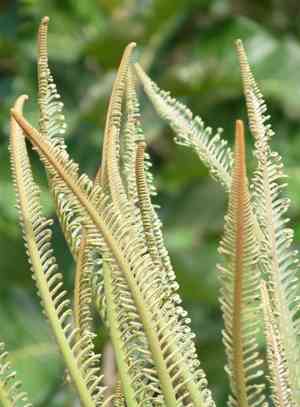
The unique look of Queen sago makes it a prominent element in any outdoor setting. With its lush, fern-like leaves and sturdy, balanced form, Queen sago can introduce an exotic flair to your garden. It serves wonderfully as a focal point, highlighting your garden's inherent beauty and establishing a visual anchor that captures attention.
Optimal climate zones for Queen sago
Queen sago flourishes in tropical and subtropical climates, achieving peak growth in areas with warm temperatures and high humidity. If you reside in a region within USDA Hardiness Zones 9 to 11, you'll find that Queen sago will grow vigorously and retain its foliage year-round. In colder regions, Queen sago can still be cultivated indoors or in greenhouses, ensuring it receives the necessary warmth and moisture.
Typical growth patterns of Queen sago
Queen sago generally exhibits slow growth, reaching a height of 5 to 10 feet over several years. The plant's trunk develops a thick, strong structure, supporting its crown of arching fronds. It's important to note that Queen sago is not a true palm but rather belongs to a group called cycads, which have existed since ancient times. This gradual growth means it demands patience but rewards with enduring beauty.
Design Concepts Featuring Queen Sago
Establishing focal points with Queen sago
One of the most effective applications for Queen sago is as a central feature in your garden. Its striking shape and abundant fronds naturally draw the eye. Position Queen sago strategically in prominent areas such as entryways or central garden beds to maximize its impact. Surround it with lower-growing plants to frame its beauty and emphasize its distinctive structure.
Pairing Queen sago with complementary flora
To elevate your garden's aesthetic appeal, consider combining Queen sago with plants that offer contrasting textures and colors. Species like ferns, hostas, and ornamental grasses can complement Queen sago's bold fronds with their soft, flowing leaves. Additionally, flowering plants with vibrant blooms can provide a lovely contrast and enhance the overall look of your landscape design.
Integrating Queen sago into rock gardens
Queen sago can be a superb addition to rock gardens, providing a dramatic visual element amidst the rugged terrain. Its resilience and slow growth make it well-suited to the stable environment of a rock garden. Place Queen sago among rocks and gravel to create a natural, harmonious look that evokes tranquility and adds an exotic touch.
Care Guidelines for Queen Sago in Outdoor Settings
Watering requirements for peak health
Queen sago needs consistent watering to maintain its lush foliage, but it's crucial to avoid overwatering. Aim for a balance where the soil remains moist but not saturated. Generally, watering once a week should suffice, but increase frequency during dry spells or decrease during rainy periods. Proper drainage is vital to prevent root rot, so ensure the planting area allows excess water to escape.
Seasonal care adjustments for Queen sago
Although Queen sago is robust, adapting care practices seasonally can ensure its continued well-being. During warmer months, increase watering and provide occasional feeding with a balanced fertilizer. In cooler months, reduce watering to prevent soggy soil. If you live in a region with cold winters, consider mulching around the base of Queen sago to protect its roots from frost.
Common issues and their resolutions
While Queen sago is generally low maintenance, it can be vulnerable to pests like scale insects and mealybugs. Regularly inspect your plant for signs of infestation and treat promptly with suitable insecticides or natural remedies, such as neem oil. Yellowing fronds may indicate nutrient deficiencies or overwatering, so adjust care practices as needed and provide a balanced fertilizer if necessary.
Advantages of Incorporating Queen Sago in Your Outdoor Space
Boosting biodiversity with Queen sago
Adding Queen sago to your landscape can enhance local biodiversity by offering habitat and sustenance for various wildlife. Birds, insects, and even small mammals may interact with Queen sago, creating a miniature ecosystem within your garden. This not only supports wildlife but also fosters a healthier and more balanced environment.
Environmental benefits of planting Queen sago
Queen sago contributes positively to the environment by improving air quality and reducing erosion. Its strong root system helps stabilize soil, preventing erosion and runoff. Additionally, like all plants, Queen sago absorbs carbon dioxide and releases oxygen, contributing to cleaner air and a healthier atmosphere.
Aesthetic and psychological benefits
The visual appeal of Queen sago extends beyond mere aesthetic pleasure. Having Queen sago in your garden can significantly enhance your homeâs outdoor aesthetic, fostering a sense of peace and relaxation. Studies have shown that green spaces and plants contribute to reduced stress levels and improved mental well-being, making Queen sago a beneficial addition to your landscape for both beauty and health.



