How Much Sunlight Do Queen sago Need?
1
Queen sago flourishes with approximately 3-6 hours of daily sun exposure.
2
Typically, moderate sun conditions are optimal for Queen sago.
3
Exercise care regarding excessive direct sunlight, as it may burn the foliage.
What Kind of Sunlight Does Queen sago Need?
Ideal Sunlight Conditions
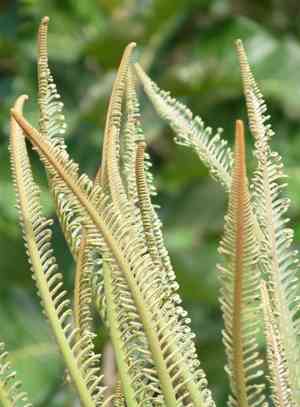
The Queen sago, recognized for its graceful, plume-like leaves, thrives best in filtered light. This means it requires approximately 3-6 hours of daily sun exposure. Ideally, morning sun combined with afternoon shade works well. This balance allows the plant to photosynthesize efficiently without suffering from excessive exposure to harsh rays.
Effects of Too Much Sunlight
Excessive direct sunlight can be harmful to your Queen sago. Indicators of too much sun include scorched leaves that appear burned, yellowed, or even brown. Extended exposure to intense midday sun can lead to these negative effects, causing stress and potential long-term damage to your plant.
Effects of Insufficient Sunlight
Conversely, if your Queen sago doesn't receive adequate light, it might display stunted growth, pale fronds, and overall poor health. Insufficient sunlight can impede photosynthesis, making your plant weak and less vibrant. Providing an optimal light environment is vital for your plant's overall well-being.
How to Position Queen sago for Optimal Sunlight Exposure
Indoor Placement Tips
When cultivating Queen sago indoors, position it near a bright window that receives ample indirect sunlight. East or west-facing windows are typically perfect. If feasible, select a spot where the plant can enjoy a few hours of direct morning light while being protected from the stronger afternoon sun. Remember to rotate the plant every few weeks to ensure all sides get equal light exposure.
Outdoor Placement Tips
If you are growing your Queen sago outdoors, choose a location that receives dappled sunlight or partial shade throughout the day. A spot beneath a canopy of taller trees can offer the ideal filtered sunlight conditions. Also, be aware that sudden changes in sunlight exposure can stress the plant, so move it gradually if necessary.
Can Queen sago Grow in Low Light Conditions?
Adapting to Low Light
While Queen sago prefers partial sun, it can adjust to lower light conditions, though it may not flourish as robustly. In low light, the plant's growth rate can slow, and the fronds may appear less lush. If you must place it in a shaded area, ensure it still receives some indirect, bright light to maintain its health.
Supplementary Lighting Solutions
If you reside in an area with limited natural light or need to keep the plant in a dimly lit space, consider using additional lighting. Full-spectrum grow lights can be an excellent solution, mimicking natural sunlight. Position the grow light approximately 30-46 cm (12-18 inches) above the plant, ensuring it receives about 10-12 hours of light per day.
Best Practices for Achieving Balanced Sunlight
Monitoring and Adjusting Light Exposure
Closely observing your Queen sago and its light exposure is crucial. Regularly check the amount of sunlight it receives at different times of the year, as the intensity and duration can fluctuate. If you notice any signs of distress, such as yellowing or brown tips, it may indicate a need for light adjustment. Modify its placement or the surrounding environment to ensure consistent and optimal sunlight.
Using Shade Cloths
For outdoor plants, employing shade cloths can help manage sunlight exposure, especially during peak summer months. A shade cloth can filter the sunlight, providing a more controlled environment for your Queen sago. Aim for a shade cloth that reduces light intensity by approximately 50% for optimal results.



