How to Transplant White turmeric?
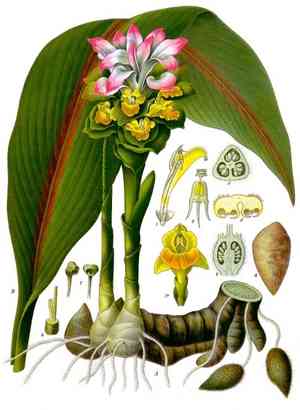
The optimal period for relocating white turmeric is when winter's cold recedes, generally from early to mid-spring. White turmeric flourishes in locations receiving filtered sunlight, provided it is established in rich, well-draining earth. Carefully managing its fragile rhizomes guarantees a smooth transfer.
What Preparations are Needed Before Transplanting White Turmeric?
What is the Ideal Time for Transplanting White Turmeric?
The optimal period for relocating white turmeric is during the freshness of early to mid-spring. At this time, plants are actively emerging from dormancy and are ready for development. This timing allows white turmeric's roots to establish in the warming soil, setting the stage for a vigorous growing season. By selecting this window, you leverage the natural growth cycle, resulting in a stronger, more vibrant plant. The warmth and light of longer spring days invigorate white turmeric, promoting a successful transplant.
How Much Space Should You Leave Between White Turmeric Plants?
When moving white turmeric, aim to maintain a separation of approximately 1-2 feet (30-60 cm), as this provides sufficient room for each plant to develop. This will make your garden appear tidy and well-arranged.
What is the Best Soil Mix for White Turmeric Transplanting?
Prepare the new site with well-drained, loamy soil enriched with compost or a foundational fertilizer rich in organic matter. Soil quality is vital for white turmeric's development, so it's worth putting in extra effort here.
Where Should You Relocate Your White Turmeric?
Select a spot with access to moderate sunlight, as white turmeric thrives there. However, avoid choosing a location with direct, intense sunlight, as these high-heat conditions can negatively affect white turmeric. Always aim for equilibrium.
What Equipments Should You Prepare Before Transplantation White Turmeric?
Gardening Gloves
To safeguard your hands while handling the root ball and sharp gardening tools.
Shovel
For excavating the white turmeric plant from its original spot and preparing the new planting hole.
Hand Trowel
For more delicate handling of the plant in confined areas.
Pruning Shears
These may be necessary if some root trimming is required during the transplant process.
Bucket or Wheelbarrow
To move the plant and soil.
Watering Can
For hydrating the plant before and after relocation.
How Do You Remove White Turmeric from the Soil?
How Do You Remove White Turmeric from the Soil?
From Ground: After preparing the new transplant area, begin at the original location. Thoroughly water the white turmeric plant to moisten the ground and roots. Use your shovel to dig a wide circle around the plant, ensuring you don't harm the root system. Attempt to lift the plant as a single, intact unit with soil and roots attached.From Pot: If your white turmeric is already in a container, watering will help loosen the root ball. Turn the pot sideways, gently hold the plant by its base, and tap the pot's rim against a hard surface to release the plant. Gently shake off any loose soil from the roots.Seedling Tray: If white turmeric has been grown in seedling trays, water the tray and allow it to soak thoroughly. Gently push the bottom to pop the seedlings out without damaging the delicate roots.
Step-by-Step Guide for Transplanting White Turmeric
Preparation
Prepare your new transplanting area. Ensure the site is well-drained and does not accumulate water.
Digging
Excavate a hole twice as wide as the white turmeric's root ball and of equal depth.
Placement
Position the white turmeric plant in the center of the hole, carefully spreading its roots outwards. Ensure that the root ball is level with the surface of the hole.
Backfill
Gently refill the hole with the excavated soil, patting it down to eliminate any air pockets without overly compacting the soil.
Watering
Water the white turmeric plant thoroughly after transplanting and ensure the soil is completely moistened.
How Do You Care For White Turmeric After Transplanting?
Monitoring
Regularly observe your white turmeric plant in the subsequent weeks to see how it's adapting to the relocation.
Watering Continuation
Continue to keep the soil damp; watering in the morning is often effective.
Mulching
Apply a layer of mulch around the plant, but not touching the stem, to help retain moisture and suppress weeds.
Pruning
If the plant exhibits any signs of damage or stress due to transplanting, do not hesitate to remove these parts. This will encourage the plant to direct energy into new growth.
Troubleshooting Common Issues with White Turmeric Transplantation.
When is the best time to transplant white turmeric?
The optimal period for relocating white turmeric falls between season 1 and season 2. This is when the plant is most likely to flourish.
What is the ideal spacing required when transplanting white turmeric?
Always provide ample room for healthy development. The ideal spacing is approximately 1-2 feet (30-60 cm) between each white turmeric.
What's the preferred soil type for transplanting white turmeric?
White turmeric thrives best in well-draining soil. Incorporate organic matter to enhance drainage if the soil is too dense or clay-like.
How deep should the hole be when transplanting white turmeric?
Dig a hole 1.5-2 times the size of white turmeric's root ball. This ensures the root system has plenty of space to expand.
What to do if the leaves of my transplanted white turmeric start turning yellow?
Yellow leaves could indicate excessive watering or a lack of nutrients. Review your watering schedule, and consider introducing a balanced fertilizer.
How often should I water my transplanted white turmeric?
Water immediately after transplanting, then regularly as the top inch (2.5 cm) of soil dries. Avoid over-watering to prevent rot.
What to do if transplanted white turmeric shows slow growth?
Sluggish growth may suggest insufficient sunlight or nutrients. Ensure white turmeric receives ample sunlight and consider adding a high-quality fertilizer to the soil.
Does white turmeric require any pruning after transplanting?
Pruning is not typically necessary, but removing dead or damaged leaves encourages energy to be directed towards new growth and the overall health of white turmeric.
How to handle rotting roots when transplanting white turmeric?
If the roots are decaying, trim them back to healthy tissue and treat with a fungicide. Ensure the plant is not over-watered going forward.
What temperature does white turmeric require after transplantation?
White turmeric prefers warm temperatures of around 68-86°F (20-30°C). It's best to avoid exposing the plant to temperatures below 50°F (10°C).



