How to Prune White turmeric?
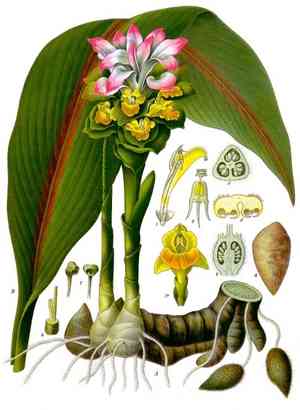
This tropical perennial, recognized for its fragrant rhizomes, necessitates very little trimming. Eliminate any yellowed foliage and faded flower stems to stimulate robust development. The ideal time for pruning is in spring or following its blooming period, enabling the plant to preserve its energy for fresh growth. This variety thrives with the meticulous removal of deceased leaves, which improves its aesthetic and diminishes areas where pests might reside. Regular seasonal trimming ensures white turmeric remains healthy and controllable, preserving a neat look while fostering peak growth.
What Are the Advantages of Trimming White Turmeric?
What Are the Advantages of Trimming White Turmeric?
Trimming white turmeric promotes more abundant blooms, encourages vigorous development, and maintains its desired form. Strategic cuts can revitalize white turmeric, improving its appearance and fostering a concentrated nutrient distribution.
When Is the Best Time to Trim White Turmeric?
When Is the Best Time to Trim White Turmeric?
The ideal periods to trim white turmeric are Spring, Early Summer, and Early Fall. These seasons align with the plant's natural dormant and pre-growth phases. Trimming in Spring allows gardeners to remove any winter damage before new growth begins, supporting healthy development. Early Summer trimming is beneficial for shaping the plant and managing its size, which can improve air circulation and light penetration, promoting a robust plant structure. Trimming in Early Fall is suitable for removing spent flowers and any foliage that has declined post-bloom, enabling white turmeric to conserve energy for the dormant period. These specific seasons help ensure that white turmeric does not experience undue stress, which can occur if trimmed during peak growth or flowering periods.
What Tools Are Needed to Trim White Turmeric?
Hand Pruners
Perfect for making clean cuts on the stems and leaves of white turmeric. They provide precise control, which is crucial to avoid damaging the rhizomes beneath the soil.
Pruning Saw
Useful for cutting through thicker stems that might be too tough for hand pruners. This tool is helpful if white turmeric has matured and developed more robust stems.
Shears
Best used for shaping and trimming the foliage of white turmeric, especially when dealing with multiple stems that require a uniform cut.
Gloves
While not a cutting tool, gloves are essential to protect your hands from irritation that might be caused by handling white turmeric during the trimming process.
How to Trim White Turmeric
Remove diseased leaves
Examine white turmeric for any indications of disease or damage. Carefully remove only the affected leaves using sterilized pruning shears, cutting at the base where the leaf stem meets the main stem to prevent further infection.
Trim withered leaves
Identify withered or yellowing leaves on white turmeric. Using sterilized pruning shears, cut the withered leaves at the base of the stem, ensuring a clean cut to promote healing and prevent damage to the rhizome.
Deadhead flowers
Once the flowers of white turmeric have withered, practice deadheading. Snip off the spent flower stalks close to the base to encourage more blooms and prevent the plant from putting energy into seed production.
Clean cut
Ensure all cuts made during the trimming process are clean and at a slight angle to prevent water from accumulating on the cut surfaces, which could lead to rot or disease.
Dispose
Dispose of all removed plant material responsibly, preferably by composting, to reduce the chance of disease spreading in the garden.
Common Trimming Mistakes with White Turmeric
Over pruning
Removing too much foliage from white turmeric can stress the plant, leading to a reduction in its ability to photosynthesize and store energy. Excessive cutting back may also delay or reduce flowering.
Improper cut placement
Making cuts too close or too far from the nodes can either damage the plant or leave behind unsightly stubs that can become entry points for pests or diseases.
Using dull tools
Trimming white turmeric with dull or dirty tools can cause jagged cuts that take longer to heal, increasing the risk of infection or pest infestation.
Pruning active growth
Cutting off actively growing shoots can hinder the development of white turmeric, potentially affecting its overall health and flowering patterns.
Common Trimming Tips for White Turmeric
Clean cutting tools
Use sharp, clean pruning shears to make precise cuts. This helps prevent damage to the plant's tissues, promotes quicker healing, and reduces the spread of disease.
Correct cut placement
Make cuts at a 45-degree angle, about 1/4 inch above a node where leaves or branches emerge. This angle encourages water to run off the cut, and the location promotes healthy new growth.
Appropriate extent
Trim only as much as necessary to shape white turmeric or remove dead, damaged, or diseased tissue. Typically, removing about one-third of the overall plant material during a trimming session is sufficient.
Monitor health
Regularly inspect white turmeric for any signs of stress or damage after trimming and adjust care as necessary to support its recovery and continuous growth.



