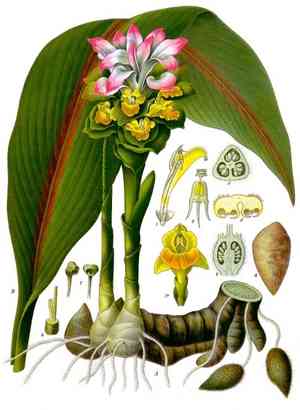
White turmeric (Curcuma zedoaria)
Also known as: Temu putih
Canna lily (Canna indica) is a perennial herb that typically reaches heights of 60 to 90 cm. Its striking flowers, which come in various colors such as red, orange, and yellow, bear a resemblance to tulip blooms and persist for an extended period. These flowers appear from late spring to early autumn. The canna lily was disseminated across the Pacific Islands by early Austronesian peoples around 5000 years ago.
Attributes of White turmeric
Images of White turmeric
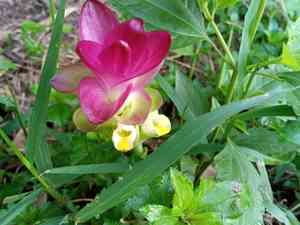
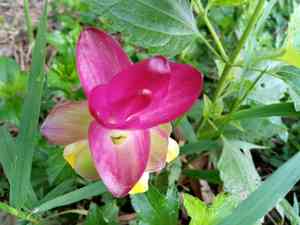
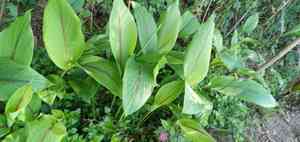
Quickly Identify White turmeric
Scientific Classification of White turmeric
Planting and Growing of White turmeric
 How to Water White turmeric?
 What Are the Sunlight Requirements for White turmeric?
 What Is the Ideal Temperature Range for White turmeric?
 What Soil is Best for White turmeric?
 How to Fertilize White turmeric?
 How to Prune White turmeric?
 How to Propagate White turmeric plant?
 How to Repot White turmeric plant?
Toxicity of White turmeric
Is White turmeric toxic to humans?
White turmeric presents a low toxicity threat to humans, which may result in allergic responses. Interaction with any part of the plant, whether by touch or ingestion, could result in poisoning. The whole plant is regarded as toxic, and humans exposed to it might face symptoms such as skin irritation or more severe systemic reactions if ingested. These symptoms may encompass gastrointestinal distress, including nausea, vomiting, and diarrhea. Therefore, it is crucial for individuals to handle white turmeric cautiously to prevent unintentional poisoning and to recognize the likelihood of allergic reactions, which can differ significantly in intensity among individuals.



