How to Transplant Cumin?
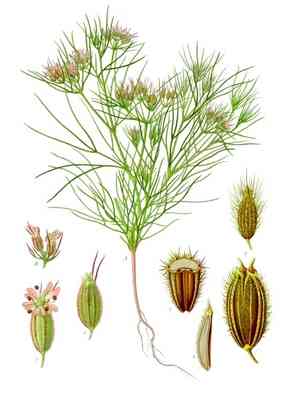
For cumin, the ideal period for transplanting is late spring, once the ground has become warm, ensuring a strong beginning. Select a location that receives ample sunlight and drains effectively, then lightly amend it with organic material prior to relocating your cumin for superior outcomes.
What Preparations are Needed Before Transplanting Cumin?
What is the Ideal Time for Transplanting Cumin?
The optimal period to move cumin is during the gentle warmth of mid-spring. Relocating cumin at this time promotes vigorous development, as the mild temperatures and increasing daylight offer an ideal nurturing setting. By selecting this season, cumin benefits from the entire upcoming growing period, maximizing its yield and vitality.
How Much Space Should You Leave Between Cumin Plants?
When preparing to transplant your cumin plants, ensure they have sufficient room to expand. Ideally, position them approximately 6-12 inches (15-30 cm) apart. This spacing allows them to adequately absorb water and nutrients from the soil.
What is the Best Soil Mix for Cumin Transplanting?
Prior to transplanting, prepare the soil by ensuring it drains effectively. Incorporate some compost or a foundational fertilizer suitable for cumin. This will supply your plants with the necessary nutrients for robust growth.
Where Should You Relocate Your Cumin?
Cumin thrives in sunlight, so choose a transplanting site where it will receive full sun exposure. Additionally, it prefers warmth, making a spot with direct, warm light ideal.
What Equipments Should You Prepare Before Transplantation Cumin?
Gardening Gloves
To safeguard your hands from potential injuries while handling soil and the cumin plant.
Digging Spade
A robust spade is essential for excavating and lifting the plant from the ground without harming its root system.
Hand Trowel
This implement is useful for creating a perfectly sized hole for transplanting the cumin plant to its new spot.
Garden Pruners
Helpful for trimming any damaged roots during the transplanting process.
Watering Can
To hydrate the plant before and after the transplanting procedure.
Compost
Adding organic compost to the hole where you will transplant the cumin plant will enrich the soil with nutrients and aid in rapid root system development.
Mulch
To conserve moisture and regulate temperature, you will need mulch after the transplantation process.
How Do You Remove Cumin from the Soil?
How Do You Remove Cumin from the Soil?
From Ground: First, thoroughly water your cumin plant to make the soil easier to manage. Use your spade to dig a deep trench around the plant, being careful not to damage the roots. Once the trench is deep enough, gently slide the spade beneath the root ball to free the plant. Be patient and avoid force to prevent root damage.From Pot: Water the plant, then tilt the pot sideways and gently shake it to release the cumin plant along with the soil. If the plant is mature and roots are densely packed, you might need to break the pot to fully remove the cumin plant.From Seedling Tray: Water the seedling tray, then gently hold your cumin seedling by its base and carefully pull it out.
Step-by-Step Guide for Transplanting Cumin
Digging a Hole
Excavate a hole twice the width and the same depth as the cumin plant's root ball using the hand trowel.
Soil Enrichment
Incorporate compost into the hole, creating a blend of compost and soil. This step will deliver nutrients directly to the cumin's roots.
Positioning the plant
Place the cumin plant in the hole, ensuring the top of the root ball is level with the surrounding soil surface. Backfill the hole with the soil and compost mixture, pressing down gently to eliminate any air pockets.
Watering
Generously water the transplanted cumin plant to help it settle.
Mulching
Apply a layer of mulch around the plant to regulate soil temperature and help retain moisture in the soil.
How Do You Care For Cumin After Transplanting?
Mulch Replacement
Regularly inspect the condition of the mulch and replace it with a fresh layer when necessary. This is crucial for maintaining the soil's moisture retention capacity.
Pruning
Immediately remove any discolored, damaged, diseased, or insect-infested leaves from your cumin plant upon noticing them. This will prevent any potential spread of diseases.
Watering
Water the transplanted cumin plant when the top 1 inch of soil becomes dry. Overwatering leads to root rot, so exercise caution not to overdo it.
Fertilization
Wait up to 4 weeks after transplanting before applying a slow-release fertilizer. This will provide your cumin plant with an additional boost for its growth.
Insect/Disease Watch
Closely monitor your cumin plant for the first few weeks following transplanting. Specifically look for indications of insect infestation or disease.
Troubleshooting Common Issues with Cumin Transplantation.
When is the best time to transplant cumin?
The optimal period to relocate cumin is during the 'S2' season. This will provide the best conditions for its root system to establish successfully.
How should I space cumin when transplanting?
For ideal growth, ensure each cumin is positioned approximately 6-12 inches (15-30cm) apart from one another. This allows ample space for developing roots and foliage.
Why are my transplanted cumin wilting?
Cumin wilting after transplantation is typically due to shock or insufficient water. Ensure you water the plant thoroughly immediately after transplanting and maintain consistent moisture levels.
How deep should the holes be when transplanting cumin?
The hole should be deep enough to comfortably accommodate the cumin's root ball. Generally, this is twice the size of the original pot, providing ample room for root growth.
Why aren't my transplanted cumin growing?
Poor growth of transplanted cumin might be due to inadequate sun exposure, a lack of soil nutrients, or irregular watering. Adjust these conditions for improved growth.
Should I water cumin immediately after transplanting them?
Absolutely, watering immediately after transplanting helps cumin settle into their new environment, reduces transplant shock, and ensures the root system has sufficient moisture to begin with.
How can I reduce transplant shock in cumin?
To minimize transplant shock in cumin, try not to disturb the roots when moving the plant. Ensure immediate watering after planting and maintain a consistent care routine thereafter.
What should I do if the transplanted cumin's leaves are turning yellow?
Yellowing leaves on cumin after transplantation could indicate over- or under-watering, or a nutrient deficiency. Check your watering schedule, drainage, and consider a balanced fertilizer.
Can I transplant cumin into a larger pot?
Yes, you can. Transplanting cumin into a larger pot provides the roots with more room to grow. Ensure good-quality, well-draining soil, and remember to water the plant immediately afterward.
Should I fertilize cumin immediately after transplanting?
It's best to wait a week or two after transplanting cumin before applying a balanced fertilizer. This allows the plant time to adjust and recover from any transplant shock.



