How to Propagate Cumin?
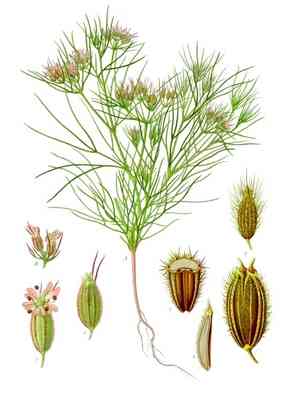
Cumin is generally cultivated by means of seeding. To achieve the best outcomes, seeds ought to be placed in soil that drains effectively, possesses a neutral pH level, and receives ample sunlight. Sufficient distance between seeds guarantees proper airflow and diminishes the likelihood of fungal infections. Consistent irrigation is crucial, particularly during the sprouting phase, yet it's important to avoid excessive watering to prevent seed decay. After establishment, cumin demands little upkeep, rendering it appropriate for beginner cultivators.
Optimal Period for Cumin Propagation?
Propagation Method
Seeding
Propagation Period
Spring
Equipment for Cumin Propagation?
Seed trays or small pots
These containers are perfect for initiating cumin seeds. Their compact dimensions facilitate easy handling of small cumin seeds and maintaining necessary germination conditions. These trays or pots guarantee each cumin seed ample space for germination, reducing competition for nutrients and light, vital for seedling health and viability.
High-quality seed starting mix
This growing medium offers a sterile, nutritionally balanced environment crucial for cumin seed germination. The mix aids in maintaining adequate moisture and supports the delicate roots of cumin seedlings without excessive density. Utilizing a lightweight seed starting mix provides optimal conditions for root development and aeration, essential for healthy cumin plant growth.
Watering can with a fine rose
The fine rose attachment helps gently and evenly distribute water over delicate cumin seeds and seedlings, minimizing the risk of dislodging them or damaging emerging shoots. Proper hydration is critical during cumin's germination and early growth phases, making this tool essential for successful propagation.
Clear plastic dome or cover
This item assists in maintaining high humidity and stable temperatures around cumin seeds, which are vital for germination. The dome also shields seeds from pests and harsh external conditions, ensuring a more controlled environment conducive to cumin growth.
Labels and markers
These are utilized to differentiate various batches of cumin seeds, especially when propagating multiple varieties or plants concurrently. Accurate labeling helps track germination and growth progress, ensuring appropriate care and management throughout the propagation process.
How to Propagate Cumin?
Propagation Type
Simple
Caring for Newly Propagated Cumin?
Caring for Newly Propagated Cumin?
Post-propagation, continue to irrigate cumin plants regularly, especially in arid conditions, to maintain consistent soil moisture. Fertilize with a balanced, slow-release product to support development. Monitor for pests like aphids and spider mites and treat with suitable organic pesticides if needed. Harvest cumin when seeds turn brown and foliage begins to wilt, typically a few months after planting. Following these care steps will promote healthy growth and maximize seed yield.
Common Errors to Avoid When Propagating Cumin
Excessive Watering
Overwatering cumin can lead to root rot, significantly impairing the plant's ability to absorb nutrients and water, thereby stunting its growth and potentially causing plant demise.
Deep Planting
Sowing cumin seeds too deeply can hinder germination due to insufficient access to sunlight and oxygen, both crucial for the seed's initial development.
Ignoring Soil Quality
Using poor or unsuitable soil for propagating cumin impedes its growth as it prefers well-draining soil. Neglecting soil quality can result in poor seed germination and weak plant development.
Tips For Propagating Cumin
Correct Seeding Depth
Sow cumin seeds at a shallow depth of approximately 1-2 cm to ensure they receive adequate light and air for successful germination.
Moisture Management
Maintain balanced soil moisture when propagating cumin. The soil should be kept moist but not waterlogged to prevent root rot and support steady growth.
Use of Potting Mix
Employ a quality potting mix that ensures good drainage and aeration. This enhances the overall soil environment for cumin roots, boosting growth and reducing the risk of soil-borne diseases.



