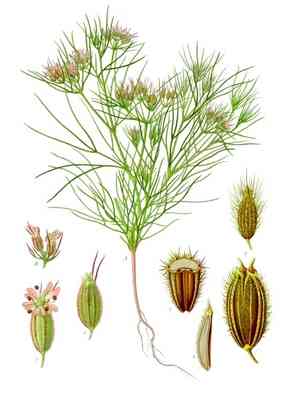
Cumin (Cuminum cyminum)
Also known as: Cumin, Jeera
Cumin, scientifically known as Cuminum cyminum, is a widely-used spice across many culinary traditions. This annual herb, recognized for its green-gray appearance, is a member of the parsley family (Apiaceae). The spice is derived from the seeds of the plant's dried fruit. Historical records indicate that cumin has been part of the human diet since the time of ancient Egypt's New Kingdom.
In This Article
Attributes of Cumin
Lifespan
Annual, Biennial
Plant Type
Herb
Plant Height
30 cm to 50 cm
Spread
3 cm to 5 cm
Leaf Color
Green Blue
Flower Size
1-2 mm
Flower Color
White Pink
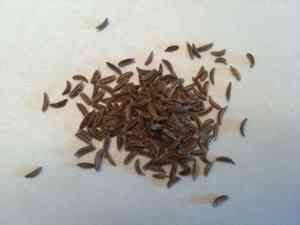
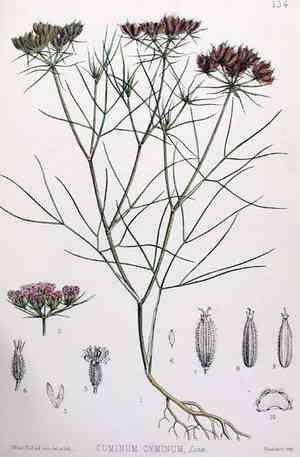
Images of Cumin
Quickly Identify Cumin
1
Slender, branched stems reach 30-60 cm (1-2 feet) in height.
2
Deeply lobed, parsley-like leaves arranged alternately on stem.
3
Small, white to pinkish umbrella-like flowers in warm season.
4
Distinct, elongated, ribbed fruit with aromatic seeds.
5
Entire plant exudes earthy fragrance when brushed or crushed.
Scientific Classification of Cumin
Phylum
Vascular plants
Class
Dicotyledons
Order
Apiales
Family
Umbellifers
Genus
Cuminum
Species
Cumin
Planting and Growing of Cumin
Care Difficulty
Easy
Watering Schedule
Every 2 days
Sunlight Requirements
Full sun
Sunshine Duration
10-12 hours
Ideal Temperature
68-77℉
Soil Type
Potting Mix, Peat Mix
Soil pH
6.5-7.5
Fertilizer Type
Balanced
Pruning Season
Spring, Summer
Pruning Area
Branches, Leaves
Pruning Frequency
2 times a year
Repotting Season
Spring
Pot Type
Plastic, Ceramic
 How to Water Cumin?
Cuminum cyminum prefers well-drained soil and moderate watering. When watering, make sure the soil is consistently moist but never waterlogged. About 250 milliliters per session is ideal to saturate the root zone without drowning the plant.
What are the symptoms of an underwatered Cumin?
›
What should I do if my Cumin is not getting enough water?
›
What are the symptoms of an overwatered Cumin?
›
How to save an overwatered Cumin?
›
 What Are the Sunlight Requirements for Cumin?
Cuminum cyminum ideally requires full sun, translating to around 6-8 hours of daily sunlight. This ensures strong growth and optimal seed development, tapping into the plant's full potential by leveraging photosynthetic capabilities for enhanced vitality.
More About Sunlight Requirements Techniques→
What is the best lighting for Cuminum cyminum?
›
How can I achieve ideal lighting conditions?
›
What happens when Cuminum cyminum gets ideal light?
›
 What Is the Ideal Temperature Range for Cumin?
Cuminum cyminum thrives best between 68°F to 77°F. This range provides optimal conditions for growth, ensuring the plant can efficiently photosynthesize and develop strong root systems. Temperatures within this bracket are key to maximizing yield and quality.
 What Soil is Best for Cumin?
Cuminum cyminum thrives in well-drained soil to prevent root rot. Proper drainage ensures the roots get adequate oxygen, crucial for robust plant growth and development. The plant benefits greatly from nutrient-rich soils, which support the production of aromatic seeds. This requires a soil enriched with organic matter for sustained plant health and output. While drainage is key, the soil should retain moderate moisture. This balance helps maintain hydration without waterlogging, crucial in dry climates to prevent drought stress.
 How to Fertilize Cumin?
For Cuminum cyminum, use a balanced liquid fertilizer diluted to half-strength. Apply approximately 100 ml per plant once during each application to avoid over-fertilization. For solid fertilizers, apply a low-dose, slow-release granule such as a 10-10-10 NPK formula.
 How to Prune Cumin?
When pruning cumin, use sharp and clean pruning shears to prevent damage or disease transmission. Choose a sunny morning after the dew has dried for optimal timing, ensuring the plant is not stressed by excess water. Pay attention to how much you trim. Generally, try not to remove more than one-third of the plant at once. This keeps the plant's natural rhythm intact and prevents it from becoming stressed, which can stymie growth and seed production.
More About Pruning Techniques→
 How to Propagate Cumin plant?
1
Fill a seed tray with a fine potting mix. Leave about half an inch of space from the top for watering without displacing seeds. Lightly compress the soil to ensure it is level and even.
2
Evenly distribute Cuminum cyminum seeds on the soil surface. They should not be planted too deeply; a light dusting of soil over them is sufficient. This ensures adequate sunlight exposure necessary for germination.
3
Using a gentle watering can, water the seeds until the soil is moist but not waterlogged. Place the trays in a warm, well-lit area maintaining a consistent temperature for optimal germination rates.
 How to Repot Cumin plant?
1
Repotting should be considered when you notice root-bound signs, such as roots emerging from the drainage holes or circling the pot's interior. An ideal time to repot Cuminum cyminum is in early Spring or Summer when the plant is ready for its active growth phase. This timing ensures the plant has sufficient energy to recover from the stress and settle into its new environment quickly.
2
Choose a pot that is one size larger than the current one, ensuring proper drainage holes are present. The material should allow breathability, such as terracotta, which helps regulate moisture levels. The right pot size and material prevent waterlogging, promoting a healthy root system crucial for the plant's aromatic development.
3
Opt for well-draining sandy-loam soil to mimic the plant’s natural habitat. The sandy texture aids in preventing water retention while the loam offers necessary nutrients and structure. This ensures robust growth and maximizes Cuminum cyminum's potential for producing flavorful seeds.
Learn More About Cumin Diseases
Anthracnose
Bacterial Leaf Spot
Bacterial Soft Rot
Bacterial Wilt
Chemical Injury
Cyst Nematode
Damping-off
Downy Mildew
Drought Stress
Fusarium Wilt
Gray Mold
Leaf Spot
Mosaic
Nutrient Deficiency
Nutrient Toxicity
Powdery Mildew
Root Rot
Root-knot Nematode
Rusts
Sooty Mold
Spider Mites
Temperature Stress
Thrips Damage
White Mold



