How to Prune Cumin?
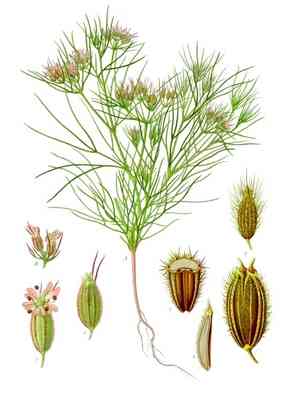
A widely grown herb valued for its fragrant seeds, cumin thrives with limited trimming. Regularly eliminate faded blossoms and lifeless or ailing stalks to stimulate development. Trimming should occur in spring and early summer to maintain the plant's neatness and improve air movement. Refrain from extensive cutting, as this could diminish seed output. Pruning subsequent to flowering enables seed maturation and can boost harvest, rendering it an essential practice for cumin cultivators.
What Are the Benefits of Pruning Cumin?
What Are the Benefits of Pruning Cumin?
Trimming cumin promotes robust development and maintains its form, ensuring a healthier specimen with optimal light exposure and air movement.
What Is the Best Time for Pruning Cumin?
What Is the Best Time for Pruning Cumin?
For cumin, trimming should occur during Spring and early Summer. These periods align with the start and active growth phase of cumin's life cycle, which is vital for fostering strong development and ensuring plant vitality. Spring is especially suitable as it follows winter dormancy, offering an ideal chance to shape the plant and remove any dead or damaged parts without causing stress. Early Summer pruning allows for managing excess growth, thereby enhancing air circulation and sunlight exposure beneficial for cumin. Pruning in Fall is not advised, as it might stimulate new growth that cannot harden off before cold winter temperatures, potentially harming the plant.
What Tools Do I Need to Prune Cumin?
Hand Pruners
Given the relatively small size and delicate stems of cumin, sharp hand pruners are perfect for making clean cuts. These provide precise control when trimming overgrown stems or removing dead material without harming the plant's structure.
Gardening Scissors
Cumin's tender stems can be gently trimmed with gardening scissors. These offer precision for thinning or shaping the plant, ensuring its natural form is maintained and healthy growth is encouraged.
Pruning Shears
For thicker stems or more extensive pruning tasks, pruning shears offer the necessary power while still allowing for control. Ensure shears are well-maintained and sharp to promote healing and prevent damage to cumin.
How to Prune Cumin
Clean tools
Sanitize pruning shears with alcohol to prevent disease spread before beginning to prune cumin.
Inspect plant
Thoroughly examine cumin to identify withered leaves that require removal.
Cut withered leaves
Use the sterilized shears to carefully snip off the withered leaves from cumin at the stem's base, avoiding harm to healthy sections.
Dispose waste
Gather and discard the removed withered leaves of cumin to prevent potential fungal growth and pest infestation.
Water pruned plant
Water cumin after pruning to aid recovery and encourage healthy development.
Common Pruning Mistakes with Cumin
Over-pruning
Removing excessive foliage or too many seeds from cumin can weaken the plant, reduce its potential yield, and may lead to its demise.
Improper cutting technique
Using dull pruning tools or making jagged cuts on cumin can cause unnecessary damage and may introduce diseases to the plant.
Pruning too early
Trimming cumin before it has fully developed can hinder its full growth potential and the development of a strong structure.
Neglecting to prune
Failing to remove old or dead growth from cumin can impede new growth and negatively impact the plant's health and productivity.
Pruning in wet conditions
Trimming cumin when wet may spread diseases among plants, as moisture can harbor pathogens easily transmitted through fresh cuts.
Common Pruning Tips for Cumin
Using sharp tools
Always use clean, sharp pruning tools to make precise cuts on cumin, which aids rapid healing and reduces disease risk.
Selective pruning
Carefully choose which stems to prune, focusing on removing those that are dead, diseased, or overcrowding others, to improve air circulation and plant health.
Monitoring plant health
Regularly inspect cumin for unhealthy growth and remove it promptly to maintain the plant's overall well-being.
Encouraging seed production
Prune cumin strategically to encourage robust seed production, leaving a sufficient number of flowers and ensuring balanced plant growth.
Maintaining plant shape
Help cumin maintain its natural shape and prevent it from becoming too leggy by pruning selectively and not cutting too aggressively.



