How to Transplant Poison Bulb?
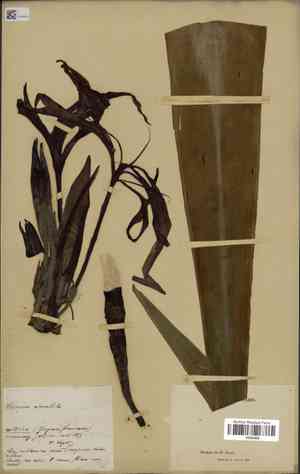
For poison Bulb, the ideal period for relocation extends from the onset of late spring through the vigor of early to mid-summer. Choose a brightly lit location featuring effective drainage to foster strong development. Exercise caution with the root system to ensure a smooth acclimatization.
What Preparations are Needed Before Transplanting Poison Bulb?
What is the Ideal Time for Transplanting Poison Bulb?
The optimal period for relocating poison Bulb is from late spring to mid-summer. This timeframe offers the perfect balance of warm soil and mild temperatures, essential for root establishment and adaptation. Moving poison Bulb during this window enhances their chances for vigorous development, as it coincides precisely with their active growth phase. Experience the benefit of stronger, thriving poison Bulb by embracing this prime transplanting season, setting them up for success.
How Much Space Should You Leave Between Poison Bulb Plants?
When planning for your poison Bulb, ensure each plant has ample room. The recommended spacing is approximately 3-4 feet (around 0.9-1.2 meters) apart. This provides sufficient area for the plants to grow and flourish without competing for resources.
What is the Best Soil Mix for Poison Bulb Transplanting?
For poison Bulb, it's crucial to provide soil that drains well. Incorporate organic material, such as compost, to ensure a strong start. Before planting, apply a balanced base fertilizer to nourish your plant and enhance its flowering.
Where Should You Relocate Your Poison Bulb?
Sunlight is a critical element when moving your poison Bulb. They thrive in bright conditions, so be sure to choose a spot that can provide at least 6 hours of direct sunlight daily. This will keep your plant content and healthy.
What Equipments Should You Prepare Before Transplantation Poison Bulb?
Gardening Gloves
These protect your hands while handling soil and plants.
Shovel or Spade
Useful for digging around and beneath the poison Bulb to extract the root ball from the ground or container.
Watering Can
For hydrating the plant before and after its relocation.
Garden Fork
This tool can be used to gently loosen the plant's roots.
Wheelbarrow
Perfect for transporting the plant after digging it up, especially if it's large.
Mulch
Organic mulch, such as straw or compost, helps maintain soil moisture post-transplanting.
Pruners
Suitable for trimming poison Bulb's foliage if necessary during the transplanting process.
How Do You Remove Poison Bulb from the Soil?
How Do You Remove Poison Bulb from the Soil?
From Ground: Ensure the poison Bulb is watered to moisten the soil. Using a spade or shovel, create a wide trench around the plant, being careful not to harm the root ball. Work the tool under the root ball to lift the plant from its original spot, keeping as much of the root system intact as possible.From Pot: Water the poison Bulb and let it drain before taking it out of its container. Turn the pot sideways, gently hold the plant, and pull at the base. Be cautious not to tug on the stems or leaves, as they might break.From Seedling Tray: Dampen the soil before carefully lifting the poison Bulb seedling by its leaves (never by the stem) out of its cell. If the seedling doesn't come out easily, use a table knife or similar utensil to loosen the soil around the plant before removing it.
Step-by-Step Guide for Transplanting Poison Bulb
Preparation
Excavate a hole where you intend to replant the poison Bulb. The hole should be deeper and wider than the poison Bulb's root ball.
Placement
Carefully position the poison Bulb into the hole, ensuring the top of the root ball is level with the surrounding ground.
Backfill
Refill the hole with soil, firming it around the base of the poison Bulb. Avoid compacting the soil too tightly; it should be secure but not dense.
Watering
Water the poison Bulb generously immediately after transplanting to settle the soil around the roots and aid the plant's recovery from transplant shock.
Mulch
Apply a layer of mulch around the poison Bulb, but keep it away from its stem, to help retain moisture.
How Do You Care For Poison Bulb After Transplanting?
Monitoring
Closely observe the poison Bulb after relocation, especially for the initial few weeks. Signs like wilting or yellowing leaves might indicate transplant shock. If these symptoms appear, move the poison Bulb to a less sunny spot and reduce watering until it recovers.
Watering
While the poison Bulb needs to be kept moist, excessive watering can stress the plant and lead to root rot. Water only when the top inch of the soil feels dry to the touch.
Pruning
Remove any dead or dying leaves to allow the plant to direct its energy towards new growth and recuperation.
Fertilizing
As the poison Bulb recovers from transplant, consider applying a balanced fertilizer after three to four weeks if the plant exhibits slow growth.
Troubleshooting Common Issues with Poison Bulb Transplantation.
When is the best time to transplant poison Bulb?
The optimal period to transplant poison Bulb is during months S3-S5, as the plant will have the best opportunity to establish roots before the hotter or colder seasons.
What is the optimal space to leave between each poison Bulb during transplanting?
For ideal growth, maintain a distance of 3-4 feet (approximately 0.9-1.2 meters) between each poison Bulb when transplanting. This provides ample room for development and prevents overcrowding.
How deep should I plant poison Bulb during transplantation?
The planting hole should be deep enough to fully cover the root system. Planting too shallow or too deep can be harmful, leading to insufficient growth or root damage.
What care should I take during poison Bulb transplantation to prevent damage?
Carefully lift poison Bulb to avoid harming their roots or bulbs. Handle the plant gently and ensure it is placed at the correct depth in its new location.
What kind of soil does poison Bulb prefer for healthy growth after transplantation?
Poison Bulb thrives best in well-drained soil. The soil should be fertile and rich in organic matter to support the plant's growth after transplanting.
What measures should I take if leaves of poison Bulb wilt after transplantation?
Wilting after transplanting is common. Ensure poison Bulb receives adequate but not excessive water, that the soil drains properly, and that the plant is not exposed to harsh weather conditions.
How often should I water poison Bulb right after transplanting?
Immediately after transplanting, the poison Bulb should be watered regularly to keep the soil moist but not waterlogged. Gradually reduce watering as the plant becomes established.
How to handle the transplantation shock in poison Bulb?
Consider using a root stimulator to accelerate root development. Ensure sufficient moisture and be patient; the plant often requires time to overcome transplant shock.
What should be the sunlight requirement for poison Bulb after transplantation?
Poison Bulb generally prefers partial shade to full sun. After transplanting, moderate exposure to sunlight is crucial for the plant's adjustment and healthy growth.
What kind of fertilizer should I use after transplanting poison Bulb?
An organic fertilizer rich in nitrogen, phosphorus, and potassium is a good choice. It supports root development and enhances the overall health and vitality of poison Bulb.



