Enhancing Your Garden Design with the Poison Bulb Plant: A Landscaping Guide
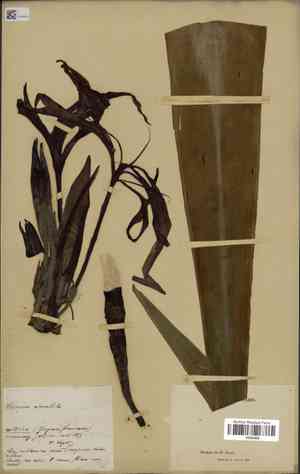
1
Poison Bulb's distinct shape and vivid hues can greatly boost a garden's attractiveness.
2
Placing Poison Bulb thoughtfully in your garden optimizes its aesthetic effect.
3
Proper care of Poison Bulb guarantees its charm endures year-round.
Introducing Poison Bulb in Garden Design
Overview of Poison Bulb's attributes that enhance garden aesthetics
Poison Bulb is more than just an ordinary plant; its distinct characteristics make it a treasure in any garden. This plant is renowned for its large, exotic blooms displaying a spectrum of rich hues. Its broad foliage and considerable stature offer a striking backdrop for other plants. Poison Bulb's structure is both sturdy and elegant, adding vertical interest to the garden. These qualities make Poison Bulb an excellent choice for creating a focal point or anchoring a garden bed.
The influence of Poison Bulb's unique appearance in various garden environments
The appeal of Poison Bulb lies in its adaptability. Whether planted alone or as part of a border, it serves as a captivating element. In tropical-themed landscapes, Poison Bulb integrates seamlessly, contributing to that lush, exotic ambiance. Even in more traditional or minimalist gardens, its boldness stands out without overpowering other features. Its flowers attract butterflies and hummingbirds, adding dynamic movement and a touch of natural grace.
Selecting the Optimal Site for Poison Bulb
Factors to consider when positioning Poison Bulb in your garden
Placement is critical when incorporating Poison Bulb into your garden. Consider its mature size, ensuring it has ample room to thrive without crowding other plants. Think about the visual perspective â Poison Bulb is most effective when situated where its beauty can be easily admired, such as near patios or garden paths. Additionally, assess the soil type and drainage, as Poison Bulb prefers well-draining soil to prevent root rot.
How light and shade influence the display of Poison Bulb's characteristics
Poison Bulb flourishes in full to partial sunlight, which helps to bring out the vibrant colors of its blooms. Morning light is often ideal, as it is less intense and can highlight dew on the petals, enhancing the plant's charm. However, in intensely hot climates, some afternoon shade can help prevent leaf burn, keeping Poison Bulb looking pristine. Observe how shadows fall throughout the day to ensure Poison Bulb always appears its best.
Companion Plants for Poison Bulb
Choosing complementary plants that boost Poison Bulb's visual appeal
To highlight Poison Bulb's beauty, select companion plants that either contrast or complement its rich colors and robust form. Plants with fine textures, such as ornamental grasses or ferns, can offer a visual counterpoint to Poison Bulb's broad leaves. Flowering shrubs that bloom at different times can ensure there's always something in flower, maintaining garden interest throughout the year. Be sure to consider the height and growth patterns of companion plants to avoid competition for sunlight.
Understanding color and texture contrasts for a harmonious garden
A well-balanced garden often relies on a blend of colors and textures. Given Poison Bulb's bold presence, consider pairing it with plants that have softer hues or more delicate forms. For instance, pastel-colored perennials or ground covers with small leaves can create a picturesque contrast. Multi-layer planting, where shorter plants are placed in front of Poison Bulb, creates depth and prevents the garden from appearing flat. Texture variation, such as combining glossy and matte leaf surfaces, also enhances visual complexity.
Seasonal Care for Poison Bulb
Optimal times of year to plant Poison Bulb for best growth
Planting Poison Bulb at the correct time is vital for its success. The best period to plant Poison Bulb is in the spring, after the last frost has passed. This timing allows the plant to establish itself during the mild conditions of spring and early summer. In regions with gentle winters, fall planting is also an option, giving the roots time to develop before colder weather arrives. Always avoid planting during extreme weather conditions to prevent undue stress on the plant.
Adjusting landscape care based on seasonal changes
Different seasons require different care routines for Poison Bulb. During the active growth period, consistent watering is essential, especially during dry spells, to keep the soil uniformly moist. Fertilize in early spring and again in mid-summer to provide the necessary nutrients for vigorous growth. In autumn, reduce watering as the plant enters dormancy and protect it from frost. Mulching can help regulate soil temperature and moisture levels, benefiting Poison Bulb throughout the year.
Maintaining Poison Bulb in Your Landscape
Routine inspections and upkeep tips to preserve Poison Bulb's beauty
Consistent maintenance keeps Poison Bulb looking its best. Regularly check the plant for any signs of pest infestations or disease, addressing these issues promptly to prevent their spread. Deadhead spent flowers to encourage new blooms and remove any yellowing leaves to keep the plant tidy. Soil moisture levels should be monitored, watering deeply but infrequently to promote strong root growth. Additionally, a light trim in late winter or early spring can help manage its shape and size.
Addressing common challenges in cultivating Poison Bulb in various climates
Poison Bulb can encounter several challenges depending on the climate. In humid regions, fungal diseases such as leaf spot can occur, so ensure good air circulation around the plant. In arid areas, mulching helps retain soil moisture, and additional shading may be necessary to prevent leaf scorch. Cold climates require extra care, with the plant possibly needing to be moved indoors or heavily mulched to protect it from frost. Understanding your specific climate and adjusting care routines accordingly is crucial for Poison Bulb's health.



