How to Prune Poison Bulb?
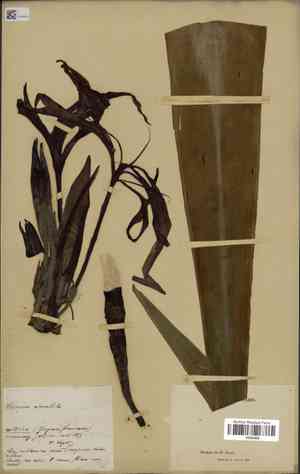
A magnificent bulb-forming perennial, poison Bulb is recognized for its expansive, vibrant blossoms and elongated, strap-like leaves. Remove faded flower stems at their base to stimulate further flowering. Snip off any discolored or lifeless foliage to sustain plant vitality. The ideal time for trimming extends from spring to autumn, aligning with its period of active development. Pruning during this interval fosters plant well-being and prevents the expenditure of energy on unproductive sections. Exercise caution when cutting to evade the sap, which could cause irritation. Consistent trimming benefits poison Bulb by improving its aesthetic value and encouraging vigorous development.
What Are the Benefits of Pruning Poison Bulb?
What Are the Benefits of Pruning Poison Bulb?
Trimming poison Bulb is vital for robust development and maintaining its desired shape. Strategic cuts can encourage new, strong shoots, and help form poison Bulb to an appropriate size, improving both garden aesthetics and plant vitality.
What Is the Best Time for Pruning Poison Bulb?
What Is the Best Time for Pruning Poison Bulb?
For poison Bulb, trimming should ideally occur in the Spring once all frost danger has passed to allow for vigorous development and to maintain the desired form and dimensions. The plant typically begins its growth cycle at this time, and pruning will stimulate new growth while minimizing plant stress. Late Summer is also suitable for light trimming or shaping, especially for removing any dead or damaged leaves and spent blossoms, as it can encourage healthier blooms for the subsequent cycle. Avoid heavy pruning in Fall as this is when the plant starts preparing for dormancy and is thus more susceptible to damage and illness. The timing aligns with the seasons when poison Bulb is actively growing and can recover from pruning with minimal risk of stress or harm.
What Tools Do I Need to Prune Poison Bulb?
Bypass Pruners
These are appropriate for making precise cuts on poison Bulb's slender stems without causing unnecessary harm to the plant tissue.
Long-Handled Loppers
These offer the extended reach and leverage needed to trim poison Bulb's thicker stems, which may be found at the plant's base, while allowing the gardener to keep a safe distance from the plant's sap, which can be irritating to the skin.
Garden Gloves
A pair of sturdy gloves is essential to shield the gardener's hands from poison Bulb's sap and also to provide a better grip on the pruning tools.
Pruning Saw
For mature poison Bulb with significantly thick stems, a pruning saw might be necessary to cut through the tough plant material efficiently and cleanly.
How to Prune Poison Bulb
Preparation
Wear gloves and use clean, sharp pruning shears to ensure a clean cut and reduce the risk of disease.
Identify
Inspect poison Bulb to locate all withered leaves, looking for leaves that are brown, yellowing, or clearly dead.
Cut
Make a clean cut at the base of each withered leaf, as close as possible to the main plant without damaging the bulb or nearby healthy leaves.
Dispose
Carefully remove and dispose of all cut leaves from the area to prevent any pests or diseases from spreading.
Clean Up
Clean the pruning shears with rubbing alcohol after finishing to ensure they are disinfected for the next use.
Common Pruning Mistakes with Poison Bulb
Overpruning
Removing too much foliage, which can stress poison Bulb and hinder its ability to photosynthesize and grow properly.
Incorrect Cuts
Making jagged or torn cuts can expose poison Bulb to pests and diseases. Clean cuts promote faster healing.
Pruning Healthy Leaves
Unnecessarily cutting away healthy leaves can weaken poison Bulb, which needs its foliage to sustain growth and bloom.
Disregarding Safety
Poison Bulb contains toxic sap. Not wearing gloves and protective eyewear can pose a risk to the gardener's health.
Using Dull Tools
Pruning with dull tools can harm poison Bulb by crushing stems and leaves rather than cutting them cleanly, which can lead to disease.
Common Pruning Tips for Poison Bulb
Disinfect Tools
Use alcohol or a bleach solution to clean pruning tools before and after use to prevent spreading disease to or from poison Bulb.
Cut Above Leaf Nodes
Make cuts above leaf nodes to encourage new growth. This technique helps poison Bulb to produce more blooms.
Remove Dead Or Damaged
Regularly remove dead or damaged foliage to maintain the health of poison Bulb, which can also improve its appearance.
Thin Out Clumps
Thin out crowded clumps to enhance air circulation, which can reduce the risk of fungal diseases in poison Bulb.
Prune After Flowering
Pruning spent flowers will help poison Bulb direct its energy towards producing new growth and flowers.



