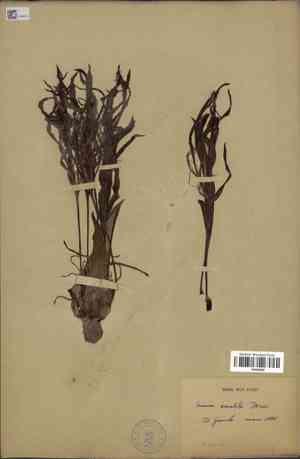
Poison Bulb(Crinum amabile)

Poison Bulb (Crinum amabile)

Also known as: Grand Crinum Lily, Giant Spider Lily

Vespertine flowers, like the Poison Bulb (Crinum amabile), are unique because they bloom exclusively in the evening or at night. This trait allows them to stand out among the largest lilies on Earth. Their evening blooming is accompanied by an especially strong fragrance, designed to attract nocturnal pollinators who rely on scent to locate flowers in the dark.

Attributes of Poison Bulb

Lifespan
Annual, Biennial, Perennial
Plant Type
Herb
Plant Height
91 cm to 1.5 m
Spread
90 cm to 1.5 m
Leaf Color
Green
Flower Size
8 cm to 10 cm
Flower Color
Pink White Purple Red

ForwardPlant - Identify plants with a snap

Identify and diagnose plants, get toxicity alerts, and explore safety guides for all types of fungi.

Try for Free

Images of Poison Bulb

Poison Bulb(Crinum amabile)

Quickly Identify Poison Bulb

1
Crinum amabile can be identified by its large, strap-like leaves and robust, bulbous base. The flowers are typically white or pink with a pleasant fragrance and grow in clusters on tall stems.

Scientific Classification of Poison Bulb

Phylum
Vascular plants
Class
Monocotyledons
Order
Asparagales
Family
Amaryllis
Genus
Crinum
Species
Poison Bulb

Planting and Growing of Poison Bulb

Care Difficulty
Moderate
Watering Schedule
Every 4 days
Sunlight Requirements
Full sun
Sunshine Duration
6-10 hours
Ideal Temperature
68-86℉
Soil Type
Potting Mix, Peat Mix
Soil pH
6.5-7.5
Fertilizer Type
Balanced
Pruning Season
Spring, Summer
Pruning Area
Branches, Leaves
Pruning Frequency
2 times a year
Repotting Season
Spring
Pot Type
Plastic, Ceramic

water icon How to Water Poison Bulb?

For Crinum amabile, it's important to water thoroughly so that the moisture reaches the root zone, approximately 500 milliliters per session for a medium-sized plant. You should allow the soil surface to dry out slightly before the next watering. This balance ensures the roots receive adequate hydration without sitting in soggy conditions.
What are the symptoms of an underwatered Poison Bulb?
What should I do if my Poison Bulb is not getting enough water?
What are the symptoms of an overwatered Poison Bulb?
How to save an overwatered Poison Bulb?

sunlight icon What Are the Sunlight Requirements for Poison Bulb?

Sunlight Requirements: Full sun, Partial sun
Duration of light: 6 to 8 hours
Crinum amabile's ideal light range includes a mix of full sun to partial sun. This light supports strong growth, encourages prolific and colorful blooming, and ensures vigorous plant health.
What are the ideal lighting conditions for Crinum amabile?
How can I ensure Crinum amabile receives ideal lighting?
What are the benefits of providing ideal lighting conditions?
More About Sunlight Requirements Techniques

temperature icon What Is the Ideal Temperature Range for Poison Bulb?

Ideal Temperature: 68 ~ 86℉
Crinum amabile thrives best within a temperature range of 68 to 86°F. In these conditions, the plant can efficiently conduct photosynthesis and other metabolic processes. This range is typical of its tropical native regions, ensuring the plant remains healthy and vibrant.

soil icon What Soil is Best for Poison Bulb?

Soil type: Sandy soil, Loam, Sandy loam
Soil PH: 6.5 ~ 7.5
Crinum amabile thrives best in well-draining soil to prevent root rot. The roots are sensitive to waterlogging, so choosing a soil that dries out between waterings helps maintain healthy roots. A nutrient-rich soil supports the lush foliage and large blooms of Crinum amabile. Incorporating organic compost can enhance soil fertility, providing the essential nutrients for robust growth. Adequate aeration in the soil is important for root respiration. Sandy and loam soils typically offer a good structure that allows air to reach the roots, promoting healthy plant development.

fertilize icon How to Fertilize Poison Bulb?

Fertilizer type: Balanced
Crinum amabile requires moderate fertilization. Use a balanced liquid fertilizer at a concentration of 1/2 strength, approximately 10-10-10 NPK ratio. For slow-release fertilizers, apply roughly 1/4 cup evenly around the base during the growing season to ensure nutrients are optimally absorbed.

prune icon How to Prune Poison Bulb?

Pruning Time: Spring, Summer
Begin by inspecting the plant for any leaves that appear yellowed, brown, or damaged. These should be your primary targets for removal. For each damaged leaf, make a precise cut at the base of the leaf stalk. This promotes healthy growth from the base and maintains the plant's natural shape. Regularly deadhead the plant by clipping spent flowers at their base. This helps redirect the plant's energy into producing new blooms rather than seed production. After removing the dead and damaged parts, take a step back and check for any uneven growth patterns. Trim back any excessively long or unusually shaped leaves to maintain symmetry. More About Pruning Techniques

propagate icon How to Propagate Poison Bulb plant?

Propagate Time: Spring, Early summer
1
Allow the seed pods to mature on the plant. Once they turn brown and dry, gently remove them without damaging the seeds inside. This ensures the seeds are viable and ready for planting.
2
Carefully dig around the base of the Crinum amabile to expose the bulbs. Using a sharp tool, separate the bulbs from the parent plant, making sure each division has roots attached for better establishment.
3
Sow the collected seeds in a seed tray or plant the divided bulbs in a prepared garden bed. Ensure the soil is well-draining and keep it moist without waterlogging, to encourage healthy growth.
More About Propagating Techniques

repot icon How to Repot Poison Bulb plant?

Repotting frequency: Every 2-3 years
1
Crinum amabile should be repotted when you notice roots protruding from the pot's drainage holes or when water takes longer to drain after watering. These signs indicate that the plant has outgrown its current vessel, and repotting will provide more room for growth.
2
Select a pot that is one size larger than the current one, with adequate drainage holes to prevent waterlogging. A slightly bigger pot ensures that the plant has enough space to expand its root system, promoting healthier growth without overwhelming the plant with too much soil.
3
Opt for a well-draining, rich soil mix that can provide both moisture retention and aeration for the roots. This type of soil enhances plant health by preventing root rot and ensuring that the plant's nutritional needs are met, supporting vibrant foliage and blooms.

ForwardPlant - Identify plants with a snap

Find the best spots for them to optimize their health, simply using your phone.

Try for Free

Toxicity of Poison Bulb

Is Poison Bulb toxic to humans?

The Poison Bulb exhibits a mild level of toxicity and has the potential to induce allergic reactions in humans. When any portion of the plant is touched, as the entirety of the plant is toxic, it may cause skin irritation or allergic dermatitis. Ingesting poison Bulb, which is known to contain the toxic chemical lycorine, can lead to more serious symptoms. Individuals who inadvertently consume parts of the poison Bulb may suffer from nausea, vomiting, diarrhea, and abdominal discomfort. The symptoms are extensive and can vary in severity depending on the quantity of plant material consumed. It is essential to exercise caution around the poison Bulb to avert accidental poisoning via touch or ingestion.

Is Poison Bulb toxic to cat?

Crinum amabile, often referred to as Poison Bulb, poses a moderate toxic risk to cats. Exposure can result from either contact or accidental ingestion, and the entire plant is harmful to felines. It contains lycorine, which can cause poisoning when ingested or absorbed. Cat guardians should remain alert, as signs of distress may develop following their cats' exposure to this plant. Given the potential for toxicity, it is crucial for pet owners to respond promptly and seek immediate veterinary assistance if they believe their cat has encountered or consumed any part of Poison Bulb.

Is Poison Bulb toxic to dog?

The Poison Bulb presents a moderate toxicity hazard to dogs. Canines can suffer from poisoning due to skin exposure or unintentional ingestion. Every part of this plant is toxic, and if a dog touches or ingests any section of it, they may display symptoms including vomiting, diarrhea, excessive salivation, abdominal distress, and possible heart irregularities as a result of lycorine's effects. It is essential for dog owners to keep their pets away from Poison Bulb and to promptly seek veterinary assistance if poisoning is feared.

Identify toxic plants for your safety

Learn which plants are harmful to you and your pets, and make informed choices for a safer home!

Try for Free
WARNING
The judgment on toxicity and danger is for reference only. We DO NOT GUARANTEE any accuracy of such judgment. Therefore, you SHALL NOT rely on such judgment. It is IMPORTANT TO SEEK PROFESSIONAL ADVICE in advance when necessary.
More About Toxic Techniques