How to Transplant Eastern mayhaw?
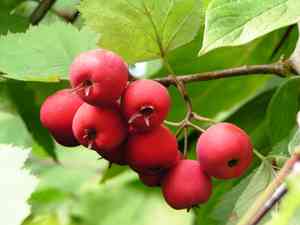
For eastern mayhaw, the ideal period for relocation is from the mild temperatures of late spring through early summer, allowing roots to settle prior to colder weather. Select a bright area featuring soil that drains effectively. If feasible, provide a protected site to facilitate its adjustment.
What Preparations are Needed Before Transplanting Eastern Mayhaw?
What is the Ideal Time for Transplanting Eastern Mayhaw?
The optimal period for moving eastern mayhaw spans from the vigor of late spring's warmth to the initial stages of summer's bloom. This timeframe allows them to establish roots in mild, flourishing conditions. It's during this seasonal transition that eastern mayhaw finds the perfect balance for recovering from transplant shock and preparing for strong development, benefiting from longer days and moderate temperatures. This timing ensures eastern mayhaw has ample opportunity to solidify its foundation before autumn's chill, making it an ideal strategy for a gardener aiming for success with this resilient plant.
How Much Space Should You Leave Between Eastern Mayhaw Plants?
Allow your eastern mayhaws ample room to thrive! Aim for approximately 15-20 feet (4.5-6 meters) between each plant. This spacing enables them to spread their branches widely and enjoy all the necessary space for robust growth.
What is the Best Soil Mix for Eastern Mayhaw Transplanting?
Your eastern mayhaws will flourish in well-draining, loamy soil. Prior to planting, incorporate some organic compost to provide your eastern mayhaws with a nutrient-rich beginning. Consider it a nourishing meal for your plants!
Where Should You Relocate Your Eastern Mayhaw?
For the most content eastern mayhaws, select a sun-drenched spot. Full sunlight is optimal, meaning at least 6-8 hours of direct light daily. Find a bright location where they can absorb that golden radiance!
What Equipments Should You Prepare Before Transplantation Eastern Mayhaw?
Shovel or Spade
For excavating the eastern mayhaw from its original site and replanting it in the new location.
Wheelbarrow or Garden Cart
Useful for transporting the eastern mayhaw if it is large or the new site is distant.
Pruning Shears
To trim any damaged roots or branches prior to transplanting.
Watering Can or Hose
To hydrate the eastern mayhaw before and after relocation to minimize transplant shock.
Gardening Gloves
To safeguard your hands while working with the soil and plant.
Tarp or Burlap
To place the excavated root ball on and keep the roots moist during transit.
Stakes and Soft Ties
To support the eastern mayhaw after transplanting, if required.
How Do You Remove Eastern Mayhaw from the Soil?
How Do You Remove Eastern Mayhaw from the Soil?
From Ground: Thoroughly water the eastern mayhaw to moisten the soil. Dig a trench around the plant with your shovel or spade, ensuring sufficient clearance to preserve the root ball. Carefully insert the spade beneath the root ball to lift the plant from the soil.From Pot: Begin by watering eastern mayhaw to dampen the soil and facilitate removal. Tilt the pot sideways and gently tap to loosen the plant. Gradually ease the plant out, supporting the root ball to prevent it from disintegrating.From Seedling Tray: Water the eastern mayhaw to make the soil pliable. Use a spoon or a small trowel to carefully dig around the seedling. Gently lift it from the tray, ensuring the root structure remains intact.
Step-by-Step Guide for Transplanting Eastern Mayhaw
Time of Transplanting
Perform the transplanting in the early morning or on an overcast day to reduce stress on the eastern mayhaw.
Prepare the New Location
Excavate a hole in the ground that is twice as wide and the same depth as the root ball of the eastern mayhaw.
Inspect and Prune Roots
Before placing eastern mayhaw in the new hole, examine the root ball. Use pruning shears to remove any broken or damaged roots.
Positioning
Place the eastern mayhaw in the center of the hole. Adjust the depth so it sits at the same level it occupied in its original spot.
Fill the Hole
Carefully backfill the hole around the root ball with soil, gently tamping down to eliminate air pockets without over-compacting the soil.
Initial Watering
Once eastern mayhaw is in place, water it thoroughly to settle the soil and provide moisture, which is vital for recovery.
Give Support
If the eastern mayhaw is top-heavy or in a windy area, use stakes and soft ties to provide support and prevent it from leaning or toppling over.
How Do You Care For Eastern Mayhaw After Transplanting?
Mulching
Apply a layer of organic mulch around the base of eastern mayhaw to help retain soil moisture and regulate soil temperature.
Support Adjustment
Regularly inspect and adjust stakes and ties to ensure they provide necessary support without harming the eastern mayhaw.
Monitoring
Observe the eastern mayhaw for signs of stress such as wilting or yellowing leaves and take appropriate action if needed.
Protection
Depending on the season, provide protection from extreme temperatures using shade cloths or frost covers.
Pruning
Prune eastern mayhaw lightly, if necessary, to remove any branches damaged during the transplanting process.
Troubleshooting Common Issues with Eastern Mayhaw Transplantation.
When is the best time to transplant eastern mayhaw?
Choose the vigorous growth period from late spring to early summer for relocating eastern mayhaw.
How much space do eastern mayhaw need when planting?
Provide ample room, ideally 15-20 feet (4.5-6 meters) apart, to accommodate eastern mayhaw's mature spread.
What soil conditions favor eastern mayhaw after transplanting?
Place eastern mayhaw in well-drained soil rich in organic matter to encourage strong growth post-transplant.
How deeply should eastern mayhaw be planted?
Ensure the root ball of eastern mayhaw is level with the surrounding soil surface to promote stability.
What common mistake should be avoided when transplanting eastern mayhaw?
Avoid burying the root collar of eastern mayhaw too deeply to prevent root rot.
How should eastern mayhaw be watered after transplanting?
Supply eastern mayhaw with consistent moisture, especially during dry periods, without over-saturating the soil.
Why are my transplanted eastern mayhaw wilting?
Wilting after transplant is often a sign of root shock; ensure correct planting depth and sufficient hydration.
What signs indicate successful eastern mayhaw transplanting?
Healthy leaf development and absence of wilting typically signify a thriving transplant of eastern mayhaw.
How to prevent transplant shock in eastern mayhaw?
Gradually acclimate eastern mayhaw to new conditions and maintain adequate water and soil quality to ease transition.
Should I fertilize eastern mayhaw after transplanting?
After transplanting, allow eastern mayhaw to settle before fertilizing; wait until new growth is evident.



