How to Prune Eastern mayhaw?
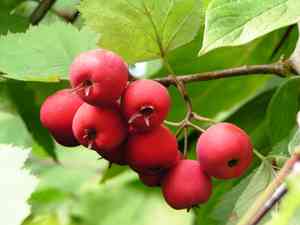
Recognized for its diminutive, crimson fruits and pale flowers, eastern mayhaw is a fruit-bearing tree that sheds its leaves. Trimming should concentrate on excising lifeless or ailing limbs, reducing crowded foliage to enhance air movement, and sculpting for an even form. The most favorable times for pruning are in late winter or early spring, prior to the emergence of new shoots. Pruning during this interval encourages robust fruit production and diminishes the likelihood of illness. Particular advantages encompass bigger fruits and a more abundant flowering in the subsequent year.
What Are the Benefits of Pruning Eastern Mayhaw?
What Are the Benefits of Pruning Eastern Mayhaw?
Trimming eastern mayhaw revitalizes the plant, fostering a sturdy framework and abundant fruit yield. Regular shaping maintains an attractive form, enhancing eastern mayhaw's decorative value.
What Is the Best Time for Pruning Eastern Mayhaw?
What Is the Best Time for Pruning Eastern Mayhaw?
The optimal period to prune eastern mayhaw is in late winter or early spring before new growth emerges. Pruning in late winter allows for clear visibility of the plant's structure without leaves, making it easy to identify and remove dead or diseased branches. This timing also protects fresh cuts from harsh winter conditions, which could harm the plant. Early spring pruning is also advantageous as it coincides with the start of eastern mayhaw's growth cycle, stimulating new development and ensuring the plant directs its energy towards forming strong, healthy branches and an ideal fruit set. By pruning before dormancy breaks, eastern mayhaw experiences less stress, and pruning wounds heal faster with the arrival of the growing season. Additionally, since eastern mayhaw flowers and fruits on old wood, late winter to early spring pruning ensures that the potential for flowering and fruiting is not compromised, preserving the plant's health and productivity.
What Tools Do I Need to Prune Eastern Mayhaw?
Hand Pruners
Perfect for cutting small branches and twigs of eastern mayhaw, ensuring clean cuts without harming the plant.
Lopping Shears
Best for severing thicker branches that hand pruners cannot manage, offering leverage and clean cuts for branches up to 1.5 inches in diameter.
Pruning Saw
Essential for cutting branches exceeding 1.5 inches in diameter, enabling gardeners to manage eastern mayhaw's larger limbs with minimal plant stress.
Hedge Shears
Useful for shaping and maintaining the dense foliage of eastern mayhaw, providing precise control for aesthetic trimming.
Pole Pruner
Offers extended reach for cutting higher branches without needing a ladder, boosting safety and efficiency during eastern mayhaw maintenance.
How to Prune Eastern Mayhaw
Clean Tools
Sanitize pruning tools using a bleach and water solution or rubbing alcohol to prevent disease transmission.
Remove Dead
Cut away dead branches from eastern mayhaw at their origin point using sharp, clean pruning shears, being careful not to damage the branch collar, which can lead to decay.
Remove Diseased
Identify and eliminate diseased branches on eastern mayhaw, cutting well below the affected area to ensure complete removal of any diseased tissue.
Smooth Cut
Make each cut smooth and clean to encourage rapid healing, avoiding jagged cuts that could harbor pests or disease.
Dispose
Discard dead and diseased material away from healthy eastern mayhaw specimens to prevent potential disease spread.
Common Pruning Mistakes with Eastern Mayhaw
Over-Pruning
Removing too much foliage from eastern mayhaw at once can stress the plant and reduce its ability to photosynthesize, leading to poor growth and diminished fruiting.
Topping
Cutting eastern mayhaw's main branches back to stubs, a practice known as topping, can result in weak new growth susceptible to disease and breakage.
Improper Cuts
Making cuts that are too close or too far from the bud or branch can lead to improper healing and potentially introduce disease to eastern mayhaw.
Ignoring Deadwood
Failing to remove dead or diseased wood can impede eastern mayhaw's growth and leave the plant vulnerable to further disease and pests.
Neglecting Shape
Pruning without considering eastern mayhaw's natural shape can result in an unbalanced structure and affect the plant's overall health and aesthetic appeal.
Pruning Without Sharp Tools
Using dull tools can cause ragged cuts that heal slowly and are more susceptible to pest and disease infiltration in eastern mayhaw.
Common Pruning Tips for Eastern Mayhaw
Clean Cuts
Ensure you use sharp, clean pruning shears to make clean cuts that will heal quickly on eastern mayhaw, minimizing disease risk.
Selective Thinning
Thin out crowded areas of eastern mayhaw to improve air circulation and light penetration, which promotes healthier growth and reduces disease risk.
Maintenance Of Central Leader
Maintain the central leader (main vertical stem) of eastern mayhaw for strong growth and structure, while pruning competing branches.
Hygiene
Sterilize pruning tools before and after working on eastern mayhaw to prevent disease spread.
Consider Branch Angles
Prune eastern mayhaw's branches that have weak, narrow crotch angles, as they are more likely to split under stress or as the plant matures.
Prune For Structure
Prune eastern mayhaw with the goal of establishing and maintaining a strong framework of branches that can support the weight of the fruit.



