How to Propagate Eastern mayhaw?
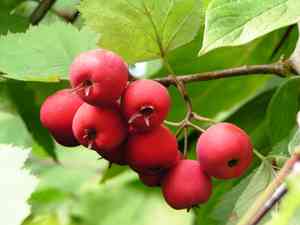
The eastern mayhaw, a fruit-producing variety, is highly valued for its acidic fruits, perfect for making jellies and jams. For multiplying eastern mayhaw, cultivators prefer seeding due to its ease and efficiency. It is essential to begin with superior seeds, verifying their origin from robust parent plants. Dependable sprouting necessitates a growing medium that drains well and is rich in nutrients. Furthermore, young plants need steady hydration, yet one must avoid excessive watering, which harms their root structures. Consistent observation and safeguarding against pests and harsh conditions will ensure the thriving development of juvenile eastern mayhaw specimens.
What Is the Best Time To Propagate Eastern Mayhaw?
Propagation Type
Cutting
Propagation Season
Autumn,Winter
What Tools Are Used in Eastern Mayhaw Propagation?
Sharp pruning shears
Utilized for obtaining clean, precise cuttings from eastern mayhaw. Sharp shears prevent harm to the parent plant and guarantee a healthy cutting, vital for successful rooting. Clean cuts aid in quicker healing and lower infection risk.
Rooting hormone
Boosts root formation in eastern mayhaw cuttings. Applying rooting hormone to the cut end encourages faster root growth and increases success rates. This hormone stimulates root cell development, providing a stronger foundation for the new plant.
Sterilized containers
Essential for preventing disease spread during eastern mayhaw propagation. Using clean, sterilized containers for planting cuttings helps maintain a disease-free environment. This is crucial for managing cuttings' susceptibility to fungi and bacteria during rooting.
Well-draining potting mix
Ensures eastern mayhaw cuttings have the optimal medium for root development. A mix that drains well yet retains necessary moisture provides an ideal environment for roots to grow without waterlogging, which can cause rot.
Humidity dome or plastic cover
Maintains a high humidity environment around eastern mayhaw cuttings, critical during initial rooting stages. High humidity helps prevent excessive water loss from cuttings, fostering better conditions for root formation.
Heat mat (optional)
Aids in providing consistent warmth necessary for eastern mayhaw cuttings' root development. Consistent bottom warmth increases rooting success, especially in cooler climates or during colder times of the year.
How to Propagate Eastern Mayhaw?
Propagation Type
Moderately Difficult
How to Care for Your Newly Propagated Eastern Mayhaw?
How to Care for Your Newly Propagated Eastern Mayhaw?
Post-propagation, eastern mayhaw demands consistent care to flourish. Ensure it's planted in well-drained, slightly acidic soil in a location with full sun to partial shade. Water regularly to keep soil moist, especially during dry periods. Mulch around the base to retain soil moisture and suppress weeds. Prune annually to maintain shape and encourage healthy growth. Monitor for pests like aphids and diseases such as fungal spots, treating as needed to keep the plant healthy.
Common Mistakes to Avoid When Propagating Eastern Mayhaw
Overwatering cuttings
Excessive watering of eastern mayhaw cuttings can lead to root rot or fungal growth. This surplus moisture creates an environment conducive to disease and can significantly hinder root development.
Using non-sterile tools
Employing unsterilized tools can introduce pathogens to eastern mayhaw, which is particularly vulnerable during cutting and handling. This can result in diseases that compromise the plant's health and impede successful propagation.
Inadequate lighting
Placing eastern mayhaw in areas with insufficient light can impair its ability to photosynthesize, which is vital for its growth and survival. This can lead to weaker plants less likely to thrive and propagate successfully.
Tips For Propagating Eastern Mayhaw
Prepare soil properly
Utilize a well-draining soil mix, as eastern mayhaw prefers moist but not waterlogged conditions. Ensuring proper soil preparation reduces the risk of waterlogging, which is detrimental to root development.
Use rooting hormone
Applying a rooting hormone to eastern mayhaw cuttings can significantly improve the likelihood of successful root development. This hormone stimulates root growth and can help ensure a healthy start for the cuttings.
Maintain humidity
Keeping the environment around eastern mayhaw humid can help prevent cuttings from drying out before they establish roots. Using a humidity dome or regularly misting the cuttings can create the necessary conditions.



