Enhancing Your Garden Design with the Eastern mayhaw Plant: A Landscaping Guide
1
Eastern mayhaw flourishes in soils that drain effectively, making it a simple inclusion in various settings.
2
Thoughtful combination of Eastern mayhaw with suitable companion plants can elevate your garden's aesthetic.
3
Adding Eastern mayhaw to your garden can increase real estate worth and foster local biodiversity.
Exploring the Charm of Eastern Mayhaw in Garden Design
Visual Allure: How does Eastern mayhaw boost aesthetic appeal?
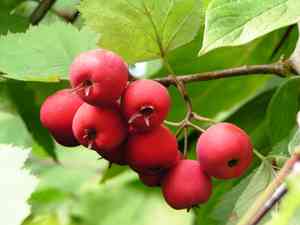
Eastern mayhaw possesses a distinct visual charm capable of transforming any garden space. Its unique leaves offer a rich green background during the growing period and a striking color display in autumn. This adaptability makes Eastern mayhaw an excellent choice for gardeners aiming to craft a vibrant, visually pleasing landscape. Whether used as a solitary specimen or integrated into a mixed border, Eastern mayhaw adds texture and depth to the garden. Its aesthetic worth is further enhanced by the attractive berries that emerge in late summer, providing a splash of color and ongoing visual interest into winter.
Seasonal Transformations: What visual shifts can you anticipate?
Eastern mayhaw presents a spectacular exhibition of seasonal changes, keeping your garden lively throughout the year. In early spring, its bare branches burst into delicate blooms, setting the stage for the upcoming growth cycle. As summer approaches, its lush green foliage offers a calming and cooling visual effect. The true spectacle, however, unfolds in fall when the leaves transform into a stunning array of reds, oranges, and yellows, embodying the spirit of the season. Even in winter, Eastern mayhaw maintains interest with its red berries and textured bark, providing a stark yet beautiful contrast against the winter scenery.
Choosing the Optimal Location for Eastern Mayhaw in Your Garden
Evaluating Sunlight and Shade: Achieving the Perfect Balance
For Eastern mayhaw to flourish in your garden, it's vital to find the right equilibrium of sunlight and shade. Eastern mayhaw prefers a spot receiving full sun for at least part of the day but can also endure partial shade. Morning sun with afternoon shade can be an ideal mix to prevent leaf scorch during the day's hottest hours. Observing the sun's path across your garden throughout the day can help pinpoint the perfect location where Eastern mayhaw will receive optimal light for robust growth and vibrant foliage.
Soil Requirements: What does Eastern mayhaw need to thrive?
The vitality of Eastern mayhaw largely depends on the soil quality in your garden. Well-drained soil is crucial as Eastern mayhaw dislikes sitting in waterlogged conditions. It's also beneficial to test the soil's pH level; Eastern mayhaw generally prefers slightly acidic to neutral environments. Before planting, consider enriching the soil with organic matter like compost, which can improve drainage and supply essential nutrients. Regular mulching around the base of Eastern mayhaw helps retain soil moisture while keeping roots cool during hot weather, fostering healthier development.
Pairing Eastern Mayhaw with Other Plants
Compatible Flora: Which plants complement Eastern mayhaw?
Selecting appropriate companions for Eastern mayhaw can significantly boost your garden's visual appeal and ecological balance. Consider pairing Eastern mayhaw with native grasses, perennials, and other shrubs that share similar light and soil needs. Plants such as coneflowers, black-eyed Susans, and ornamental grasses can create a harmonious and visually striking garden bed. Each of these plants introduces unique textures, colors, and heights, complementing Eastern mayhaw's character and forming a well-rounded garden landscape that is both attractive and practical.
Crafting Harmonious Arrangements: Tips for Layering and Colors
When planting Eastern mayhaw alongside other flora, focus on layering and color coordination to achieve a harmonious arrangement. Position taller species like Eastern mayhaw towards the back or center of garden beds, creating a backdrop for shorter plants in the foreground. This layering technique not only adds depth but ensures each plant is prominently displayed. Also, consider colors; Eastern mayhaw's vibrant fall hues can be enhanced by planting it near species with contrasting or complementary shades. For instance, the autumn reds and oranges of Eastern mayhaw pair beautifully with the purples of asters or the yellows of goldenrods, creating a picturesque and dynamic landscape.
Long-Term Advantages of Incorporating Eastern Mayhaw into Your Landscape
Environmental Contribution: How does Eastern mayhaw support local ecology?
Eastern mayhaw plays a vital role in sustaining local ecosystems. Its blossoms attract various pollinators, including bees and butterflies, which are essential for healthy environments. The subsequent berries serve as a crucial food source for birds and other wildlife during colder months. By planting Eastern mayhaw in your garden, you're not only enhancing its beauty but also creating a sanctuary for local fauna, thereby promoting biodiversity and ecological balance within your area.
Property Value: Can Eastern mayhaw boost your homeâs curb appeal and worth?
Integrating Eastern mayhaw into your landscape can considerably elevate your property's curb appeal and, ultimately, its market value. A thoughtfully designed garden featuring Eastern mayhaw as a focal point can create an inviting and attractive environment that appeals to potential buyers. Furthermore, Eastern mayhaw's low-maintenance nature makes it an appealing choice for homeowners seeking to invest in landscaping that offers lasting beauty without extensive upkeep. As such, adding Eastern mayhaw can be a smart investment, contributing to both the aesthetic and financial value of your residence.



