Eastern mayhaw (Crataegus aestivalis)
Also known as: Mayhaw
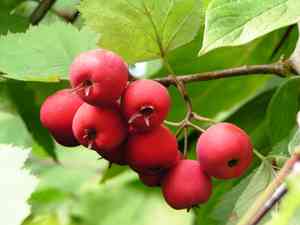
Eastern mayhaw (Crataegus aestivalis) is a deciduous shrub that typically reaches heights of 30-40 feet with a spread of around 25 feet. This plant produces attractive white blossoms in the spring, followed by red fruits in the summer, which can be consumed either raw or cooked. It grows best in full sun to partial shade and prefers moist to wet soils.
In This Article
Attributes of Eastern mayhaw
Lifespan
Perennial
Plant Type
Tree, Shrub
Plant Height
6 m to 9 m
Spread
11 m to 12 m
Leaf Color
Green Black
Flower Size
1-2 centimeters
Flower Color
White
Images of Eastern mayhaw
Quickly Identify Eastern mayhaw
1
Large shrub or small tree, 30-40 feet (9-12 meters) tall, with rounded crown and straight thorns.
2
Clusters of white flowers in early spring, red edible fruits ripening from June to July.
3
White five-petaled flowers, 0.4 inches (1 cm) in diameter, blooming from March to May.
4
Rounded, red fruits, 0.5-1 inch (1.27-2.54 cm) in diameter, with sweet edible flesh.
5
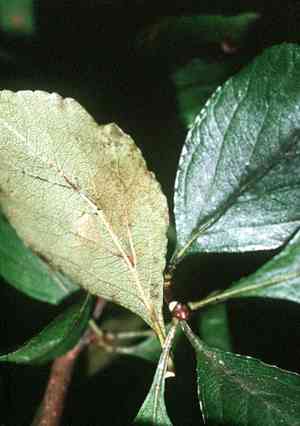
Dark green, oval, 3-lobed leaves, 2-4 inches (5-10 cm) long, with red/brown undersides.
Scientific Classification of Eastern mayhaw
Phylum
Vascular plants
Class
Dicotyledons
Order
Rosales
Family
Rose
Genus
Hawthorns
Species
Eastern mayhaw
Planting and Growing of Eastern mayhaw
Care Difficulty
Easy
Watering Schedule
Every 4 days
Sunlight Requirements
Full sun
Sunshine Duration
4-8 hours
Ideal Temperature
60-75℉
Soil Type
Potting Mix, Peat Mix
Soil pH
6.5-7.5
Fertilizer Type
Balanced
Pruning Season
Spring, Summer
Pruning Area
Branches, Leaves
Pruning Frequency
2 times a year
Repotting Season
Spring
Pot Type
Plastic, Ceramic
 How to Water Eastern mayhaw?
Crataegus aestivalis, commonly known as the Mayhaw, enjoys a moderate amount of water. It thrives best when the water applied per session soaks deep into the soil, reaching approximately 500 milliliters per plant. This encourages deep root growth and ensures the plant receives enough moisture to sustain its lush foliage and seasonal fruits.
What are the symptoms of an underwatered Eastern mayhaw?
›
What should I do if my Eastern mayhaw is not getting enough water?
›
What are the symptoms of an overwatered Eastern mayhaw?
›
How to save an overwatered Eastern mayhaw?
›
 What Are the Sunlight Requirements for Eastern mayhaw?
Crataegus aestivalis thrives best in full sun or partial sun environments. Under these conditions, it achieves optimal growth and berry production, benefiting from enriched photosynthetic processes.
More About Sunlight Requirements Techniques→
What is the best lighting condition for Crataegus aestivalis?
›
How can you ensure Crataegus aestivalis receives sufficient light?
›
What are the benefits of providing Crataegus aestivalis with optimal light?
›
 What Is the Ideal Temperature Range for Eastern mayhaw?
Crataegus aestivalis thrives within an ideal temperature range of 60°F to 75°F because it supports optimal photosynthesis, growth, and fruit development. An appropriate temperature ensures that the plant's metabolic processes function properly, leading to healthy foliage and robust fruiting. When kept within this ideal range, the plant can better resist diseases and pests.
 What Soil is Best for Eastern mayhaw?
Crataegus aestivalis thrives in well-drained soils as these prevent root rot and other water-related issues, providing a healthier growth environment. Rich loamy soils full of organic matter supply all essential nutrients, promoting vibrant growth and lush foliage for Crataegus aestivalis. While drainage is essential, soil that retains some moisture supports the plant during dry spells, ensuring continuous growth and fruiting.
 How to Fertilize Eastern mayhaw?
For Crataegus aestivalis, using a balanced 10-10-10 NPK fertilizer is ideal. Apply liquid fertilizer at a concentration of half a tablespoon per gallon of water, covering the soil evenly. For solid fertilizers, use about half a cup per mature plant ensuring an even spread around the base.
 How to Prune Eastern mayhaw?
Begin by identifying branches that are dead, diseased, or damaged. Removing these ensures that the plant’s energy is directed towards healthy growth. Cut back to healthy wood, making a clean cut just above a bud or branch junction. To ensure good air circulation and sunlight penetration, prune the central branches to maintain an open structure. This can help prevent diseases and encourage healthier fruit growth. Remove any crossing branches that might rub against each other. Shape the plant by selectively pruning branches to maintain a rounded or desired form. This not only enhances the aesthetic appeal but also ensures that the tree remains robust and balanced. Always step back occasionally to assess the overall shape.
More About Pruning Techniques→
 How to Propagate Eastern mayhaw plant?
1
Collect mature seeds from your Crataegus aestivalis during the autumn. Remove the seeds from the fruit, clean them thoroughly, and dry them out. Stratification, or cold treatment, is necessary for seed germination, lasting approximately 3-4 months in a refrigerator.
2
Select a healthy branch from a well-established Crataegus aestivalis, about 6-8 inches long. Make the cutting just below a node and remove the lower leaves, keeping the top pair. Dip the cut end in rooting hormone before planting.
3
Best done in late winter or early spring, grafting involves attaching a scion to a compatible rootstock. Ensure that the cambial layers of both parts align properly. Secure them with grafting tape to promote successful bonding and growth.
 How to Repot Eastern mayhaw plant?
1
Look for roots emerging from drainage holes, slowed growth, or soil that dries out quickly. These are signs the plant has outgrown its pot, typically indicating it's time for repotting during the optimum seasons of spring or autumn.
2
Select a pot only slightly larger than the current one, with ample drainage holes. A slightly larger pot prevents waterlogging, supporting healthy root growth and avoiding the risk of root rot.
3
Opt for a loamy, well-draining soil mix that retains moisture yet provides aeration. This mix promotes healthy root development and prevents water from stagnating, crucial for the plant's overall health.



