How to Transplant Himalayan tree cotoneaster?
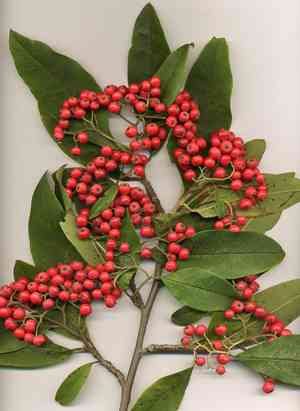
The optimal period for relocating himalayan tree cotoneaster is in the spring, as vigorous development guarantees strong rooting. Select a brightly lit location featuring soil that drains effectively. Should transplantation be essential, safeguard the rootball's structure for smooth integration.
What Preparations are Needed Before Transplanting Himalayan Tree Cotoneaster?
What is the Ideal Time for Transplanting Himalayan Tree Cotoneaster?
The optimal period for relocating himalayan tree cotoneaster is the spring season, as the mild temperatures and increased moisture levels create perfect growing conditions. Moving himalayan tree cotoneaster during this time ensures a smooth adjustment, allowing roots to recover and expand in preparation for summer growth. The favorable spring climate not only supports root establishment but also minimizes stress on himalayan tree cotoneaster, promoting strong health and vitality. Transplanting himalayan tree cotoneaster at this point aligns with natural growth cycles, facilitating easier adaptation and successful development.
How Much Space Should You Leave Between Himalayan Tree Cotoneaster Plants?
For himalayan tree cotoneaster, prepare a site with a spacing of approximately 6-8 feet (1.8-2.4 meters) between plants. This distance ensures your plant has ample room for branch spread and sufficient sunlight exposure.
What is the Best Soil Mix for Himalayan Tree Cotoneaster Transplanting?
For himalayan tree cotoneaster, well-draining soil rich in organic matter is ideal. Incorporate a good standard base fertilizer into your soil before planting to supply essential nutrients.
Where Should You Relocate Your Himalayan Tree Cotoneaster?
When transplanting himalayan tree cotoneaster, select a spot where they can receive full to partial sunlight for at least 4-6 hours daily. They are adaptable, but truly thrive in sunny conditions!
What Equipments Should You Prepare Before Transplantation Himalayan Tree Cotoneaster?
Shovel
To excavate the hole for transplanting the himalayan tree cotoneaster tree and to extract it from its current location.
Tape Measure
To verify the hole's dimensions are appropriate for the himalayan tree cotoneaster tree's root ball.
Work Gloves
To safeguard your hands while handling the soil and plant.
Wheelbarrow
To move the himalayan tree cotoneaster tree from its original spot to the new site.
Garden Hose/Watering Can
To adequately moisten the soil before and after transplantation.
How Do You Remove Himalayan Tree Cotoneaster from the Soil?
How Do You Remove Himalayan Tree Cotoneaster from the Soil?
From Ground: First, thoroughly water the himalayan tree cotoneaster tree to facilitate the removal process and keep the root ball intact. Afterward, dig around the tree using a shovel, ensuring you maintain a sufficient distance from the trunk to prevent root damage. Once you've dug around the tree, gently lift it from the base, preserving the root ball.From Pot: Begin by watering your potted himalayan tree cotoneaster tree to dampen the soil. Turn the pot on its side, grasp the tree at its base, and carefully pull the root ball from the pot. If the plant resists, you might need to tap the pot's edges on a firm surface to loosen the soil.From Seedling Tray: Moisten the seedling tray before extracting the himalayan tree cotoneaster tree. Gently hold the seedling's base and lift it, making sure to include as many roots as possible. Exercise caution as seedlings can be delicate.
Step-by-Step Guide for Transplanting Himalayan Tree Cotoneaster
Preparation
Before transplanting the himalayan tree cotoneaster tree, ensure the hole is nearly twice as wide and just as deep as the tree's root ball. Place the excavated soil on a tarp for easy cleanup and reuse.
Transplanting
Position your himalayan tree cotoneaster tree into the hole. Confirm that it stands upright and the top of the root ball is level with the ground surface. Backfill the hole with the removed soil, making sure there are no air pockets around the roots.
Watering
Water the himalayan tree cotoneaster tree thoroughly immediately after transplanting. This helps settle the soil around the roots and aids in plant recovery.
How Do You Care For Himalayan Tree Cotoneaster After Transplanting?
Mulching
Apply a layer of organic mulch around the himalayan tree cotoneaster tree, but avoid touching the trunk. Mulch helps retain soil moisture and inhibit weed growth.
Monitoring
Closely observe your newly transplanted himalayan tree cotoneaster tree. Watch for signs of stress such as wilting or yellowing leaves. If observed, adjust your care routine accordingly.
Pruning
Lightly prune your himalayan tree cotoneaster tree after transplanting. Remove only damaged or diseased branches. This helps the tree to focus its energy on root development.
Troubleshooting Common Issues with Himalayan Tree Cotoneaster Transplantation.
When should I transplant my himalayan tree cotoneaster?
The ideal time for transplanting your himalayan tree cotoneaster is from early spring to late spring (S1-S3). This allows the plant ample time to establish roots before winter.
How much space should I keep between two himalayan tree cotoneaster during transplantation?
For healthy development, maintain a distance of 6-8 feet (1.8-2.4 meters) between two himalayan tree cotoneaster plants. This ensures each plant has sufficient room to grow.
Should I water himalayan tree cotoneaster immediately after transplanting?
Absolutely! Watering right after transplanting helps to settle the soil around the plant's roots, reducing air pockets and giving the himalayan tree cotoneaster a better start.
What kind of soil works best for transplanting himalayan tree cotoneaster?
Himalayan tree cotoneaster thrives in well-draining soil, particularly loamy or sandy types. Ensure it's not too clayey as this plant does not tolerate waterlogged conditions well.
How deep should I plant himalayan tree cotoneaster during transplantation?
Plant the himalayan tree cotoneaster at the same depth it was growing in its original location. Planting too deep or too shallow can hinder its growth.
How should I prepare the hole for transplantation of himalayan tree cotoneaster?
Dig a hole twice as wide and equally deep as the root ball of himalayan tree cotoneaster. This practice provides roots with plenty of space.
What if the leaves of my himalayan tree cotoneaster turn yellow after transplanting?
Yellow leaves might indicate water stress or nutrient deficiency. Adjust your watering schedule and consider adding a balanced slow-release fertilizer.
Can I transplant himalayan tree cotoneaster during the flowering period?
Transplanting during flowering can cause stress to the himalayan tree cotoneaster. It's best to wait until it's not producing blooms, preferably between S1-S3.
Do I need to prune himalayan tree cotoneaster before transplantation?
No, pruning before transplantation is not necessary. However, you may trim any broken, dead, or diseased branches for the plant's overall health.
What kind of maintenance is required after transplanting himalayan tree cotoneaster?
Ensure adequate watering, especially during dry periods. Monitor for pests or diseases, and consider using a frost cover during the initial winter.



