The Himalayan tree cotoneaster Plant Advantage: Maximizing Home and Office Appeal and Wellness
1
This species is recognized for its resilience, making it well-suited for harsh environments.
2
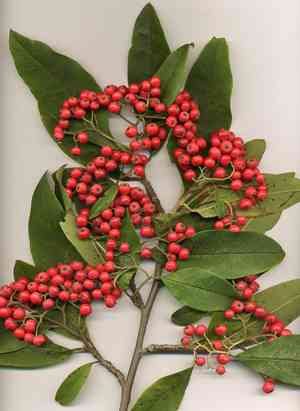
The Himalayan tree cotoneaster offers visual appeal through its attractive blooms and fruits.
3
It serves as an excellent plant for drawing in and sustaining native fauna, such as birds and beneficial insects.
What Are the Visual Advantages of Himalayan Tree Cotoneaster?
Boosting Visual Appeal
A primary benefit of integrating Himalayan tree cotoneaster into your outdoor space is its aesthetic contribution. Featuring clusters of small, delicate blossoms and vivid berries, this plant can introduce a burst of color and texture to any setting. Its foliage, which transforms into a lovely red-orange shade in autumn, further elevates its visual charm, making it a prominent feature in your garden throughout the year.
Year-Round Interest
Unlike flora that only excel during a specific period, Himalayan tree cotoneaster provides beauty across multiple seasons. In spring, you can anticipate an abundance of delicate, white blooms that transition into appealing red berries in fall. The leaves also shift in color with the seasons, ensuring your garden remains vibrant and colorful all year long.
How Does Himalayan Tree Cotoneaster Support Local Wildlife?
Aiding Pollinators
Pollinating insects like bees and butterflies are drawn to the flowers of Himalayan tree cotoneaster. By cultivating this species in your garden, you can establish a flourishing habitat for these vital creatures, fostering biodiversity and contributing to the health of your local ecosystem. The blooms supply nectar and pollen, essential resources for pollinators.
Providing Sustenance for Birds
The red berries produced by Himalayan tree cotoneaster are a favorite among avian species. By including this plant in your garden, you're offering a dependable food source for various bird types, encouraging them to visit your garden frequently. This not only supports the local bird population but also offers bird-watching opportunities for you.
What Are the Functional Benefits of Cultivating Himalayan Tree Cotoneaster?
Resilience and Adaptability
A notable characteristic of Himalayan tree cotoneaster is its capacity to flourish in diverse conditions. It can withstand both drought and cold, making it an excellent option for gardens in various climates. Furthermore, this plant requires relatively little upkeep, needing minimal attention once established, which makes it suitable for both novice and experienced gardeners.
Erosion Prevention
The dense root system of Himalayan tree cotoneaster helps to stabilize soil, making it an effective solution for preventing erosion. This is particularly advantageous for gardens situated on slopes or areas prone to soil displacement. By hindering soil movement, Himalayan tree cotoneaster helps maintain the integrity of your garden's landscape.
How to Incorporate Himalayan Tree Cotoneaster Into Your Garden Design?
Planting and Maintenance Advice
When integrating Himalayan tree cotoneaster into your garden, choose a spot with well-drained soil and partial to full sun exposure. While this plant is adaptable, ensuring it receives adequate sunlight and proper soil conditions will help it thrive. Water newly planted specimens regularly until they are established, after which they will require less frequent irrigation.
Design Concepts
Himalayan tree cotoneaster can be utilized in various garden designs, from informal cottage gardens to more structured landscaping projects. Its versatile nature allows it to serve as a focal point, border plant, or even a hedge. Combine it with other plants that have complementary colors and textures to create a visually stunning garden area.
What Are the Environmental Advantages of Himalayan Tree Cotoneaster?
Boosting Biodiversity
By attracting a variety of pollinators and birds, Himalayan tree cotoneaster enhances the biological diversity of your garden. A biodiverse garden is not only more attractive but also more resistant to pests and diseases. It fosters a balanced ecosystem where various species can thrive, each contributing to the health of the environment.
Reducing Carbon Footprint
Plants like Himalayan tree cotoneaster help decrease your garden's carbon footprint by absorbing carbon dioxide and releasing oxygen. Moreover, the low-maintenance nature of this plant means fewer resources are needed for its upkeep, further minimizing your environmental impact.



