How Much Sunlight Do Himalayan tree cotoneaster Need?
1
The Himalayan tree cotoneaster flourishes optimally with more than six hours of direct sun each day.
2
Its ability to withstand some shade allows for adaptability in various garden environments.
3
Insufficient light exposure may result in diminished plant vitality and visual attractiveness.
Ideal Illumination Needs for Himalayan tree cotoneaster
Full Sun Versus Partial Shade
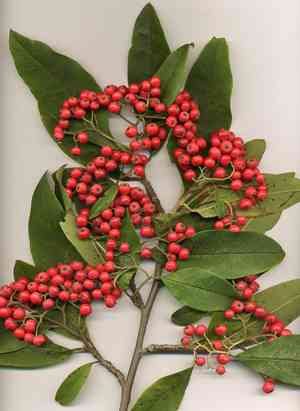
The Himalayan tree cotoneaster is a robust plant that thrives best when exposed to ample sunlight. This implies it should receive over six hours of direct sun daily. Full sun exposure encourages vigorous growth, vibrant foliage, and is crucial for the development of its attractive red berries. While it can endure partial shade, with approximately 4-6 hours of sunlight, this might lead to slower development and fewer berries. Therefore, for optimal outcomes, select a sunny spot in your garden.
Grasping Light Intensity
Light intensity plays a vital role in the well-being of the Himalayan tree cotoneaster. Direct sunlight, particularly at midday, offers the most potent light, which the plant requires for strong growth. However, excessively strong sunlight, especially in hot regions, can sometimes stress the plant. It's important to balance intense light with sufficient irrigation and potentially offer light afternoon shade if you observe signs of distress, such as leaf burn. In areas with milder climates, full sun is generally well-tolerated and promotes the healthiest plant development.
Impacts of Insufficient Sunlight on Himalayan tree cotoneaster
Indicators of Light Deficiency
When the Himalayan tree cotoneaster doesn't get enough sunlight, it displays several clear signs. You might notice a lack of blooms and berry production, which can diminish the plant's aesthetic appeal. The leaves may appear sparse or lose their vibrancy, and you could observe increased leaf drop. Another symptom is elongated growth, where branches stretch out seeking more light, resulting in a less compact and less attractive form.
Long-Term Effects on Plant Vitality
Extended periods of inadequate sunlight can severely affect the long-term health of your Himalayan tree cotoneaster. The plant might become more vulnerable to diseases and pest infestations due to reduced vigor. Insufficient light exposure can also hinder root development, making the plant less resilient to environmental stressors like drought or extreme temperatures. Ensuring your plant receives the correct amount of sunlight is, therefore, essential for its sustained health and beauty.
Positioning Your Himalayan tree cotoneaster for Best Light Exposure
Choosing the Appropriate Location
Selecting the right place in your garden for your Himalayan tree cotoneaster is fundamental. Pick a spot where the plant can enjoy abundant morning sunlight and ideally some afternoon shade, especially in warmer climates. The southern or western sides of your property are often perfect. Ensure there are no large trees or structures that could cast shadows on the plant for extended periods during the day. If you reside in an area with exceptionally strong sun, providing a bit of afternoon shade can help prevent heat stress.
Seasonal Light Adjustments
Seasonal variations can influence the light your Himalayan tree cotoneaster receives. During summer months, the sun is more intense, and while the plant thrives in full sun, excessive exposure during the hottest parts of the day can cause leaf scorching. In winter, when the sun is lower and days are shorter, ensure the plant still gets as much light as possible to maintain its health. Consider trimming back any nearby plants or shrubs that might obstruct light during these shorter days.
Common Errors to Avoid Regarding Himalayan tree cotoneaster Sunlight
Excessive Direct Sunlight Exposure
A frequent error is placing the Himalayan tree cotoneaster in a location where it receives too much intense sun without sufficient watering. This can lead to leaf burn and dehydration. Balancing direct sunlight with proper irrigation is necessary, especially in very hot climates. If your plant shows signs of stress, consider providing some afternoon shade or using a light mulch to retain soil moisture.
Disregarding Sunlight Fluctuations
Another oversight is failing to adjust the plant's position based on seasonal changes or garden modifications. Sunlight availability can alter with new constructions or growing trees. Regularly observing how light falls on your Himalayan tree cotoneaster throughout the day and year ensures it continues to receive the optimal light it requires. Make sure to prune any encroaching plants or branches that could begin blocking sunlight over time.



