How to Prune Himalayan tree cotoneaster?
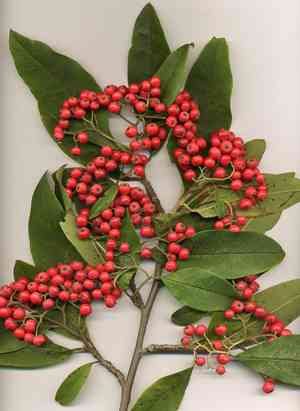
This robust, leaf-shedding shrub, celebrated for its compact habit and tiny fruits, greatly thrives with regular trimming. Optimal pruning occurs in winter during its inactive phase, necessitating the elimination of lifeless, ailing, or intersecting limbs to preserve its vitality and structure. Reducing the density of mature stalks improves light exposure and stimulates fresh development. Trimming not only fosters a more controlled dimension but also revitalizes blooming and fruit yield for the subsequent year.
What Are the Benefits of Pruning Himalayan Tree Cotoneaster?
What Are the Benefits of Pruning Himalayan Tree Cotoneaster?
Trimming himalayan tree cotoneaster promotes robust development and maintains its desired form. Strategic cuts enhance light penetration and air movement, fostering a strong framework and preventing excessive growth that could attract pests or illness.
What Is the Best Time for Pruning Himalayan Tree Cotoneaster?
What Is the Best Time for Pruning Himalayan Tree Cotoneaster?
Pruning himalayan tree cotoneaster from late winter to early spring is recommended because the plant remains dormant, reducing stress and minimizing sap loss, which can harm its health. This timing also avoids removing developing blooms, as himalayan tree cotoneaster flowers on the previous year's growth. Pruning during this period stimulates vigorous spring growth, allowing the plant time to recover and produce new shoots, flowers, and fruits in its upcoming growth cycle.
What Tools Do I Need to Prune Himalayan Tree Cotoneaster?
Hand Pruners
For shaping and trimming himalayan tree cotoneaster, hand pruners are perfect for cutting stems and small branches up to approximately 3/4 inch in diameter. They enable precise cuts and help preserve the plant's attractive form.
Loppers
Loppers are effective for cutting thicker branches that hand pruners cannot manage, typically up to 1 1/2 inches in diameter. They assist gardeners in reaching higher branches and provide the necessary leverage for denser growth.
Pruning Saw
For the thickest branches of himalayan tree cotoneaster, exceeding what loppers can handle, a pruning saw is essential. It's designed to cut branches over 1 1/2 inches in diameter and is crucial for maintaining the plant's structural integrity.
Hedge Shears
Hedge shears are suitable for shaping and maintaining dense foliage. As himalayan tree cotoneaster can grow as a hedge, these shears are ideal for creating straight, even lines across the foliage for aesthetic purposes.
Pole Pruner
For high branches that are out of reach, a pole pruner can be utilized. This is particularly important for taller himalayan tree cotoneaster specimens, as it allows for pruning without a ladder, enhancing safety.
Gloves and Safety Glasses
To ensure the gardener's safety, gloves protect hands from thorns and rough branches, while safety glasses shield eyes from falling debris during the pruning of himalayan tree cotoneaster.
How to Prune Himalayan Tree Cotoneaster
Sterilization
Before pruning himalayan tree cotoneaster, clean and sanitize all pruning tools to prevent disease transmission. Use a solution of one part bleach to nine parts water to wipe down the blades.
Removal of dead branches
Identify and remove any dead branches first. Use sharp, clean pruning shears to make precise cuts at a slight angle, just above a healthy bud or another branch.
Removal of diseased branches
Next, cut away any diseased branches, ensuring they are completely removed from the area to limit infection spread. Look for branches with discolored bark, leaves, or unusual growths.
Thinning
Thin out overcrowded areas to improve air circulation. Cut these selected branches back to their point of origin or to a lateral branch strong enough to assume the terminal role.
Cleanup
Properly dispose of all cuttings and debris from pruning himalayan tree cotoneaster. Do not compost diseased plant material. Clean the tools again after use to be ready for the next pruning session.
Common Pruning Mistakes with Himalayan Tree Cotoneaster
Over-pruning
Removing too much foliage from himalayan tree cotoneaster, which can stress the plant and lead to poor growth or reduced flowering.
Improper cut location
Cutting too far from a bud or node can cause dieback, while cutting too close can damage the bud or inhibit new growth.
Using dull tools
Dull pruning tools can cause jagged cuts that are susceptible to disease and pests.
Neglecting sanitation
Failing to sanitize tools between cuts, especially when moving between plants, can spread disease.
Pruning without plan
Random or thoughtless cuts can result in an unsightly or poorly structured plant.
Ignoring diseased material
Leaving diseased or damaged wood on himalayan tree cotoneaster can impede the plant's overall health and vigor.
Common Pruning Tips for Himalayan Tree Cotoneaster
Clean cuts
Ensure cuts are clean and at a 45-degree angle away from a bud to encourage water runoff and prevent disease.
Tool care
Use sharp and sanitized tools for each cut to promote quick healing and minimize damage.
Cut location
Cut just above a bud or node, allowing about a quarter inch for optimal growth without risking bud damage.
Disease management
Promptly remove any diseased or dead branches to maintain the health and appearance of himalayan tree cotoneaster.
Shape maintenance
Prune to maintain the natural shape of himalayan tree cotoneaster, taking care to enhance its structural integrity and aesthetic appeal.
Balancing growth
Thin out crowded branches to allow light and air circulation throughout the canopy, which is essential for the health of himalayan tree cotoneaster.



