How to Transplant Franchet's cotoneaster?
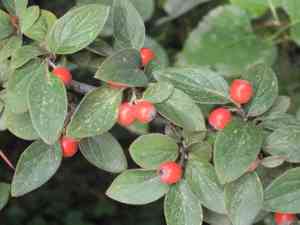
It is most favorable to move franchet's cotoneaster once warmer weather returns and new development commences in the early to middle part of spring, as this period fosters strong root development. Select locations with good drainage and ample sunlight to ensure successful transplantation.
What Preparations are Needed Before Transplanting Franchet's Cotoneaster?
What is the Ideal Time for Transplanting Franchet's Cotoneaster?
The best period for relocating franchet's cotoneaster is during early to mid-spring's onset. Moving your franchet's cotoneaster then promotes strong root development before summer's heat, giving it the best chance to settle. This timely transplant aligns with the plant's natural growth cycle, reducing stress and ensuring a smooth transition to its new spot.
How Much Space Should You Leave Between Franchet's Cotoneaster Plants?
Allow your franchet's cotoneaster ample room to expand. When transplanting, ensure each plant is positioned approximately 5-6 feet (1.5-1.8 meters) apart. This provides sufficient space for them to spread and flourish without competing for resources.
What is the Best Soil Mix for Franchet's Cotoneaster Transplanting?
For your franchet's cotoneaster, prepare a well-draining soil foundation. Incorporating compost or other organic material into the soil before planting will boost its fertility. Additionally, a slow-release, granular fertilizer can be mixed into the soil to nourish the plant.
Where Should You Relocate Your Franchet's Cotoneaster?
Select a site for your franchet's cotoneaster that receives abundant sunlight. While it can endure some shade, full sun encourages the best outcomes. Sunlight promotes growth and flowering, enhancing your plant's vitality and aesthetic appeal.
What Equipments Should You Prepare Before Transplantation Franchet's Cotoneaster?
Gardening Shovel
This tool is used to excavate the hole where you will place your franchet's cotoneaster plant. Opt for a large, pointed one for easier digging.
Gardening Gloves
To safeguard your hands while handling the soil and plant material.
Watering Can
To keep the root ball of the franchet's cotoneaster hydrated, both before and after its relocation.
Garden Fork
To assist in lifting the franchet's cotoneaster without causing harm to its roots.
Pruning Shears
To remove any damaged or diseased branches, both prior to and following the transplant.
Buckets or Tarps
To hold the excavated soil and to support the plant during the transplanting process.
How Do You Remove Franchet's Cotoneaster from the Soil?
How Do You Remove Franchet's Cotoneaster from the Soil?
From Ground: Start by moistening the franchet's cotoneaster to soften the soil, which simplifies extraction. Using a garden fork, dig a wide trench around the plant, ensuring enough space to avoid damaging the root ball. Gently leverage the fork beneath the plant and carefully lift it.From Pot: Water the plant in its container beforehand. Tilt the pot sideways and gently tap its sides and bottom to loosen the root ball. If the plant resists, place your hand over the soil, invert the pot, and tap a few more times. The franchet's cotoneaster should then slide out easily.From Seedling Tray: Initially water the tray to loosen the growing medium. Carefully hold the franchet's cotoneaster by its leaves (not the stem) and attempt to lift it. If it's stuck, use a dull knife or transplanting trowel to gently pry it out, ensuring the root ball remains intact.
Step-by-Step Guide for Transplanting Franchet's Cotoneaster
Preparation
Gather your tools and have water nearby to keep the roots of franchet's cotoneaster moist throughout the procedure. Clear the chosen transplant site of weeds or other debris.
Digging
Excavate a hole in your chosen area that is both twice as deep and twice as wide as the root ball of your franchet's cotoneaster.
Placement
Position your franchet's cotoneaster in the hole, ensuring it sits at the same depth as it did in its previous spot. The top of the root ball should be level with the ground surface, neither buried too deep nor sitting too high.
Backfilling
Gently refill the hole with the original soil, lightly firming it around the base of the franchet's cotoneaster as you proceed to eliminate air pockets.
Watering
After completing the transplant, water the franchet's cotoneaster generously to help settle the soil around its roots.
How Do You Care For Franchet's Cotoneaster After Transplanting?
Immediate Care
Water the franchet's cotoneaster immediately after planting and remember to irrigate it regularly for the initial weeks while it establishes itself.
Checking
Periodically inspect the franchet's cotoneaster for any indications of disease or stress and act promptly when necessary. These might include wilting foliage or a lack of new growth.
Pruning
Pruning can enhance air circulation and sunlight penetration. You may remove any damaged or diseased branches. However, avoid extensive pruning immediately after transplanting to allow the franchet's cotoneaster to recover more effectively.
Seasonal Care
In instances of extreme weather (such as frost or intense heat), protect the franchet's cotoneaster if needed using frost cloths or shade cloths.
Nutrient Supply
After a few weeks, a slow-release fertilizer can be beneficial. Always adhere to package directions; typically, less is more with these plant nutrients.
Troubleshooting Common Issues with Franchet's Cotoneaster Transplantation.
When's the best time to transplant franchet's cotoneaster?
The optimal period to move franchet's cotoneaster is during the S1-S2 timeframe. The plant is more likely to withstand the stress of relocation during this season.
What's the ideal distance between franchet's cotoneaster plants when transplanting?
Maintain a healthy separation of approximately 5-6 feet (1.5-1.8 meters) between each franchet's cotoneaster. This spacing prevents overcrowding and promotes better development.
My franchet's cotoneaster is wilting after transplanting, what's causing this?
It's common for franchet's cotoneaster to experience transplant shock, leading to wilting. Ensure adequate water supply and avoid direct sun exposure to aid its recovery.
How do I prevent franchet's cotoneaster from drying out after transplanting?
Keeping franchet's cotoneaster sufficiently watered is crucial. A consistent watering schedule, especially during the first few weeks post-transplant, will prevent it from dehydrating.
What's the best soil type for transplanting franchet's cotoneaster?
Franchet's cotoneaster is adaptable, but it thrives best in well-draining soil. If the soil is heavy clay or waterlogged, consider enriching it with compost or other organic material before transplanting.
Can direct sunlight harm the recently transplanted franchet's cotoneaster?
Yes, intense direct sunlight might be too harsh for a newly transplanted franchet's cotoneaster. It's advisable to provide partial shade until it is well-established.
How deep should I plant franchet's cotoneaster during transplantation?
Plant franchet's cotoneaster at the same depth it was in its previous container or plot. Planting too deep or too shallow can stress the plant and impede its growth.
How should I care for franchet's cotoneaster in the initial weeks after transplanting?
Water franchet's cotoneaster regularly, shield it from harsh sun, and give it ample room to grow. Also, consider adding a layer of mulch to suppress weeds and retain soil moisture.
What should I do if the transplanted franchet's cotoneaster shows no growth?
Be patient. Franchet's cotoneaster may require time to adjust to its new environment. However, if no growth occurs after several weeks, re-evaluate the site's light exposure, soil condition, and moisture level.
Can I transplant franchet's cotoneaster close to a wall or building?
Franchet's cotoneaster can be cultivated near structures as its roots are not invasive. However, remember it requires some space (5-6 feet, 1.5-1.8 meters) to spread comfortably.



