The Franchet's cotoneaster Plant Advantage: Maximizing Home and Office Appeal and Wellness
1
Franchet's cotoneaster is recognized for drawing helpful pollinators to your outdoor space.
2
This plant requires minimal upkeep, making it perfect for novice gardeners.
3
Franchet's cotoneaster offers superb ground coverage, aiding in the prevention of soil loss.
Why Plant Franchet's Cotoneaster in Your Garden?
Attracting Pollinators
A key attribute of Franchet's cotoneaster is its ability to draw in beneficial pollinators. Bees, butterflies, and other vital pollinators are drawn to its blossoms. This not only enhances your garden's beauty but also supports the local ecosystem by aiding pollination. Since pollinators are crucial for the reproduction of many plants, including food crops, having Franchet's cotoneaster can contribute to broader environmental well-being.
Low Maintenance Requirements
Franchet's cotoneaster is particularly valued for its minimal upkeep, making it a good option for both new and experienced gardeners. The plant is robust and can flourish in various soil types and conditions, from well-drained to slightly moist. Its drought resistance is another advantage, reducing the need for constant watering. Simply put, Franchet's cotoneaster offers the benefits of a beautiful and useful plant without demanding excessive time and effort.
How Does Franchet's Cotoneaster Improve Soil Health?
Preventing Soil Erosion
A significant ecological advantage of Franchet's cotoneaster is its role in preventing soil erosion. The plant's dense root system helps bind the soil, reducing water runoff and soil loss. This makes Franchet's cotoneaster an excellent choice for slopes, hillsides, and other areas prone to erosion. By protecting soil health, Franchet's cotoneaster contributes to a more sustainable garden and landscape.
Improving Soil Fertility
Franchet's cotoneaster not only prevents soil erosion but can also boost soil fertility over time. As the plant matures, it sheds leaves and organic matter, which decomposes and enriches the soil with essential nutrients. This natural process helps maintain soil structure and encourages the growth of nearby plants, making Franchet's cotoneaster a valuable part of any garden aiming for long-term soil health.
What Are the Aesthetic Benefits of Franchet's Cotoneaster?
Visual Appeal
Franchet's cotoneaster is well-known for its visual charm. The plant's flowers bloom in appealing shades that can range from white to soft pink, adding a splash of color to your garden. Its seasonal foliage changes also provide year-round interest, making it a versatile choice for gardeners looking to create a dynamic and visually stimulating outdoor space. Whether used as ground cover or in a mixed border, Franchet's cotoneaster can significantly enhance your garden's aesthetics.
Versatile Landscaping Options
Franchet's cotoneaster offers adaptable landscaping possibilities, suitable for various garden designs. The plant can be used as a hedge, providing privacy and structure, or as part of a larger planting scheme for added visual interest. Additionally, Franchet's cotoneaster can be pruned and shaped to fit specific design needs, making it a flexible choice for creative landscaping projects. Its adaptability allows gardeners to use Franchet's cotoneaster in numerous ways, from formal gardens to more natural, informal settings.
How to Properly Care for Franchet's Cotoneaster?
Planting Tips
To ensure your Franchet's cotoneaster thrives, it's crucial to select an appropriate planting location. Choose an area with well-drained soil and sufficient sunlightâideally, full sun to partial shade. When planting, dig a hole slightly larger than the root ball, and position the plant at the same depth it was in its nursery container. Be sure to water thoroughly after planting to help establish the roots.
Ongoing Maintenance
Although Franchet's cotoneaster is low-maintenance, some continuous care will ensure its vitality. Regular watering is essential during the plant's initial growth period, but once established, Franchet's cotoneaster is relatively drought-tolerant and requires minimal irrigation. Pruning should be done annually to maintain its shape and remove any dead or diseased branches. Fertilization is generally not needed; however, a layer of mulch around the base can help retain moisture and enrich the soil. By following these simple guidelines, your Franchet's cotoneaster will remain healthy and vibrant for years to come.
Can Franchet's Cotoneaster Be Used for Wildlife Habitats?
Supporting Local Fauna
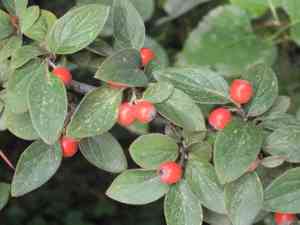
Beyond its aesthetic and ecological benefits, Franchet's cotoneaster also supports local wildlife. Its dense foliage provides shelter and nesting sites for birds and small mammals. The plantâs berries serve as a food source for various bird species, especially during colder months when other food options are scarce. By incorporating Franchet's cotoneaster into your garden, you create a more wildlife-friendly environment, promoting biodiversity and ecological balance.
Creating a Wild Garden
For those interested in establishing a wild or natural garden, Franchet's cotoneaster is an excellent option. Its natural growth habit and adaptability make it suitable for such projects. Allowing Franchet's cotoneaster to grow more freely can create a more organic and less manicured look, which is beneficial for attracting various wildlife species. This approach fosters a harmonious coexistence between your garden and the local ecosystem, providing a sanctuary for both flora and fauna.



