The Hidden Danger in Your Home? Unmasking the Toxicity of the Franchet's cotoneaster Plant.
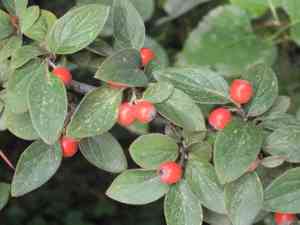
1
Franchet's cotoneaster possesses cyanogenic glycosides, which can liberate cyanide within the system, resulting in serious ailments.
2
Every component of franchet's cotoneaster is poisonous to people, felines, and canines, presenting considerable health hazards if consumed.
3
Prompt veterinary attention is essential if an animal exhibits signs of intoxication after consuming franchet's cotoneaster.
Is Franchet's cotoneaster toxic to humans?
Franchet's cotoneaster presents a slight toxicity hazard to people if eaten. The whole plant has cyanogenic glycosides, which can be detrimental if consumed. When ingested, these substances can release cyanide within the body, causing symptoms like sickness, throwing up, and stomach discomfort. In more serious instances, consumption might lead to breathing problems and a faster heart rate. Since all parts of Franchet's cotoneaster are poisonous, precautions should be taken to avoid accidental consumption, particularly by kids and animals who might be attracted to its berries.
Is Franchet's cotoneaster toxic to cat?
Franchet's cotoneaster has a low level of toxicity for cats, which can be problematic if consumed. Cats might unintentionally eat parts of Franchet's cotoneaster, potentially causing health problems. As the entire plant contains harmful compounds, especially cyanogenic glycosides, felines are susceptible to poisoning from any part. After ingestion, a cat could show signs of physical distress or illness, indicating the need for prompt veterinary care. It's vital for cat owners to identify these indicators and get treatment at a vet clinic without delay to ensure the best possible care for their pet.
Is Franchet's cotoneaster toxic to dog?
Franchet's cotoneaster carries a minor toxicity threat to dogs. Canines might accidentally ingest portions of this plant, potentially leading to poisoning. The whole plant is poisonous, and consumption can result in symptoms such as digestive upset, trouble breathing, or sluggishness. The existence of cyanogenic glycosides in Franchet's cotoneaster is the reason for these negative effects. If a dog exhibits signs of poisoning after eating Franchet's cotoneaster, it is crucial to seek immediate veterinary attention to ensure appropriate treatment and recuperation.



