How to Transplant Swamp coprosma?
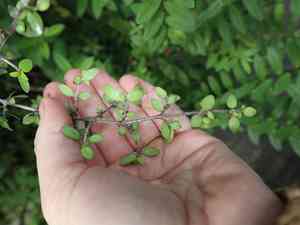
The ideal period for transplanting swamp coprosma spans the pleasant weather from the end of spring through mid-summer. During this time, swamp coprosma acclimates most effectively, as plentiful sunlight and warmer ground temperatures foster root development. Select a location offering sufficient illumination and hydration, and incorporate transplanting advice solely if it is crucial for the plant's thriving.
What Preparations are Needed Before Transplanting Swamp Coprosma?
What is the Ideal Time for Transplanting Swamp Coprosma?
The best period to relocate swamp coprosma to your garden is during the gentle warmth of early summer. Moving it during this favorable season allows roots to establish comfortably before intense late summer heat, providing time for adaptation. Shifting swamp coprosma at this point encourages vigorous development and recovery, as days lengthen, offering ample sunlight and adequate rainfall, helping the plant settle into its new environment with natural care.
How Much Space Should You Leave Between Swamp Coprosma Plants?
Position your swamp coprosmas approximately 3-5 feet (91-152 cm) apart to allow for their growth. This spacing ensures they receive sufficient nutrients and have room to expand without competing with one another.
What is the Best Soil Mix for Swamp Coprosma Transplanting?
For your swamp coprosma, utilize well-draining soil rich in organic matter. Before transplanting, incorporate a balanced, slow-release fertilizer to give your plants a healthy beginning. Aim for a soil pH level that is slightly acidic to neutral.
Where Should You Relocate Your Swamp Coprosma?
Select a spot for your swamp coprosma that receives partial to full sunlight. An area that gets morning sun and afternoon shade would be perfect, providing the plant with necessary light without the risk of scorching from midday heat.
What Equipments Should You Prepare Before Transplantation Swamp Coprosma?
Gardening Gloves
To safeguard your hands while handling soil and plants.
Shovel or Spade
To excavate the plant and prepare the new planting site.
Trowel
For detailed work around roots and smaller digging tasks.
Watering Can or Hose
To thoroughly water the plant before and after relocation.
Pruning Shears
To trim any damaged roots or branches.
Wheelbarrow
To move the plant and soil.
Garden Fork
To aerate and loosen the soil in the plant's new spot.
Mulch
To help retain moisture and suppress weeds around the transplanted swamp coprosma.
Rooting Hormone (optional)
To stimulate root development in certain situations.
Staking Materials (if the plant is tall)
To offer support until the root system becomes established.
How Do You Remove Swamp Coprosma from the Soil?
How Do You Remove Swamp Coprosma from the Soil?
From Ground: First, generously water the swamp coprosma to soften the earth. Then, using a shovel or spade, dig a wide circle around the plant to avoid cutting into the root ball. Gently work the tool under the root ball and lift the swamp coprosma from its current position.From Pot: Begin by watering the swamp coprosma to facilitate the process. Tilt the pot sideways and gently tap its sides to loosen the soil. Pull from the plant's base rather than the stems and guide it out of the pot, ensuring the root ball is supported.From Seedling Tray: Moisten the soil for easier removal. Carefully lift the seedling using a trowel or your fingers, making sure to extract it with a good amount of surrounding soil to protect the roots.
Step-by-Step Guide for Transplanting Swamp Coprosma
Preparation
Gather all necessary tools and ensure the new site is ready for the swamp coprosma to be moved.
Root Ball
Carefully extract the swamp coprosma from its original spot, preserving as much of the root ball as possible.
New Hole
Dig a hole in the ground that is twice as wide as the root ball and of equal depth. Loosen the soil at the bottom with a garden fork.
Placement
Position the swamp coprosma in the center of the hole at the same depth it was growing previously. Gently spread the roots outward if they are tightly bound.
Fill In
Backfill the hole with soil, firming it gently with your hands to remove air pockets. Ensure the swamp coprosma is upright and stable.
Watering
Water the swamp coprosma generously immediately after transplanting to settle the soil and hydrate the roots.
Mulching
Apply a layer of mulch around the base of the swamp coprosma, keeping it a few inches away from the stem to prevent rot.
How Do You Care For Swamp Coprosma After Transplanting?
Immediate Care
Keep the swamp coprosma's soil moist for the next few weeks. Watering may be needed more frequently than usual until the root system becomes established.
Support
If the swamp coprosma is tall, use stakes to provide support and protect it from strong winds until it is sturdy enough to stand on its own.
Pruning
Trim away any broken or damaged branches to encourage growth, but avoid heavy pruning as this can stress the swamp coprosma.
Monitoring
Regularly check your swamp coprosma for signs of transplant shock, such as wilting or discolored leaves, and take action as needed to mitigate stress.
Adjustments
Be ready to provide shade or shelter if extreme weather conditions are forecasted shortly after transplanting to help the swamp coprosma acclimate.
Troubleshooting Common Issues with Swamp Coprosma Transplantation.
What's the optimal time to transplant swamp coprosma?
Relocate swamp coprosma during the vigorous growth period of late spring to early summer for best outcomes.
How much space does swamp coprosma need when transplanting?
Allow swamp coprosma a generous spread of about 3 to 5 feet (90 to 150 cm) for proper development.
Why is my swamp coprosma wilting after transplant?
Wilting post-transplant often results from root shock or insufficient moisture. Ensure careful handling and consistent watering.
Can swamp coprosma be transplanted under full sun?
Partial shade is preferable when moving swamp coprosma, to shield it from intense afternoon sun.
Should I amend the soil before transplanting swamp coprosma?
Yes, enriching the soil with compost provides swamp coprosma with nutrients for a strong start in its new location.
How to ensure swamp coprosma roots well after transplanting?
Water thoroughly and mulch around swamp coprosma to retain moisture and warmth, aiding root establishment.
Is it necessary to prune swamp coprosma before transplanting?
Light pruning helps swamp coprosma focus energy on root development, but avoid heavy trimming to preserve foliage.
How deep should the new hole be for swamp coprosma?
Dig a hole twice the width and as deep as the root ball of swamp coprosma to encourage expansion.
What's the sign swamp coprosma has rooted successfully?
New growth indicates swamp coprosma is establishing. Monitor progress and maintain consistent watering practices.
How do I protect swamp coprosma during transplant shock?
Keep the soil moist, shelter swamp coprosma from strong winds, and avoid fertilizing until it shows recovery signs.



