How to Prune Swamp coprosma?
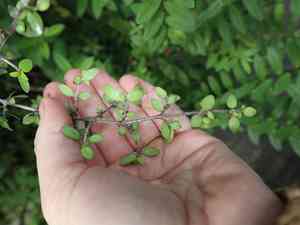
Swamp coprosma, a robust shrub frequently encountered in marshy areas, flourishes with little attention yet responds well to trimming. To foster a dense form and preserve its outline, strategically eliminate aged stems and excessively long branches in winter while the plant is inactive. This seasonal approach prevents interference with growth cycles and conserves stored energy. Trimming not only improves its appearance but also encourages robust vitality by averting excessive density and lowering vulnerability to ailments. Utilize sanitized, sharp implements for accurate incisions.
What Are the Benefits of Pruning Swamp Coprosma?
What Are the Benefits of Pruning Swamp Coprosma?
Trimming swamp coprosma promotes robust development by eliminating old or overgrown branches, which improves air circulation and light exposure. Consistent shaping also helps maintain its desired form and size, ensuring a tidy appearance.
What Is the Best Time for Pruning Swamp Coprosma?
What Is the Best Time for Pruning Swamp Coprosma?
Cutting back swamp coprosma from late winter to early spring, before its active growth phase begins, allows the plant to recover effectively and direct its energy into new shoots. Pruning during this period minimizes stress and the likelihood of disease or pest infestation, as open wounds can heal more quickly before warmer temperatures encourage pathogen and pest activity. It's also easier to discern the structure of swamp coprosma without leaves, enabling more precise pruning. Delaying pruning until after the flowering or fruiting season might diminish the plant's display or yield for that year.
What Tools Do I Need to Prune Swamp Coprosma?
Bypass Pruners
These are ideal for making clean cuts on the young or soft stems of swamp coprosma. Their design ensures precise cuts without causing unnecessary harm to the plant's tissues.
Loppers
For thicker branches that bypass pruners cannot manage, loppers are the preferred tool. Their extended handles provide increased leverage to cut through branches up to 1.5 inches in diameter, which may occasionally be necessary for swamp coprosma.
Pruning Saw
For the most mature and thickest branches of swamp coprosma, where loppers might not be sufficient, a pruning saw is recommended. It allows for cutting larger branches with precision, preventing tearing that could lead to disease.
Hand Shears
For shaping and trimming hedges or dense foliage of swamp coprosma, hand shears offer a good balance of precision and control. They are effective for refining the shape and maintaining its aesthetic.
How to Prune Swamp Coprosma
Clean tool
Before pruning swamp coprosma, sanitize your pruning shears or saws with isopropyl alcohol or a bleach solution to prevent the spread of diseases.
Inspect
Carefully examine swamp coprosma to identify any dead or diseased branches, which may appear discolored, shriveled, or exhibit unusual growths.
Cut dead branches
Using the sterilized tool, remove dead branches by cutting at a 45-degree angle just above a healthy bud, branch collar, or lateral branch, ensuring a smooth cut that swamp coprosma can heal over efficiently.
Remove diseased
Cut away diseased branches on swamp coprosma, making sure to remove the entire affected area. If the disease has spread extensively, prune back to healthy tissue, or if necessary, remove the entire branch.
Disinfect
After each cut on a diseased branch of swamp coprosma, re-sterilize your tools to avoid spreading pathogens to healthy parts of the plant or to other plants.
Common Pruning Mistakes with Swamp Coprosma
Over-pruning
Removing too much foliage at once can stress swamp coprosma, leading to reduced vigor and potential dieback.
Shearing
Using shears to shape swamp coprosma into unnatural forms can lead to poor growth and may adversely affect its health.
Neglecting tool hygiene
Failing to clean and sterilize pruning tools can spread disease among swamp coprosma specimens.
Tearing stems
Improper cutting techniques that result in jagged or torn stems can make swamp coprosma susceptible to pests and diseases.
Ignoring dead wood
Not removing dead or diseased wood hinders healthy growth and can cause problems to persist in swamp coprosma.
Common Pruning Tips for Swamp Coprosma
Clean cuts
Use sharp, clean tools to make precise cuts that will heal quickly and reduce the risk of disease in swamp coprosma.
Thin out
Thin swamp coprosma selectively to promote air circulation and light penetration, enhancing overall plant health.
Awareness of growth habit
Understand the natural structure of swamp coprosma to guide pruning decisions that encourage a strong framework.
Disease watch
Regularly inspect swamp coprosma before and during pruning for signs of pests or disease, and address any issues immediately.
Rejuvenation
Consider periodic hard pruning to rejuvenate older swamp coprosma, promoting new growth and vitality.



