How to Propagate Swamp coprosma?
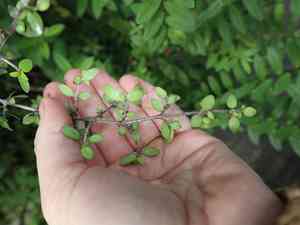
Coprosma repens flourishes when reproduced via cuttings, an effective and straightforward technique for this particular variety. Begin with robust semi-hardwood sections from healthy, unblemished parent specimens, ensuring each segment possesses multiple leaf nodes. Applying rooting stimulant can boost successful outcomes by encouraging faster root formation. Insert cuttings into a free-draining propagation substrate and sustain steady humidity and warmth until roots are firmly established, preparing Coprosma repens for relocation.
Optimal Time for Swamp Coprosma Propagation
Propagation Method
Cutting
Propagation Period
Autumn,Winter
Tools for Swamp Coprosma Propagation
Sharp Pruning Shears
Crucial for taking cuttings from swamp coprosma, sharp pruning shears ensure a clean, precise cut, minimizing harm to the parent plant and boosting the chances of successful rooting. Clean cuts help prevent infection and encourage faster healing and rooting.
Rooting Hormone Powder
This substance aids in root development for swamp coprosma cuttings. Dipping the cut end of a cutting into rooting hormone powder increases the likelihood of successful root growth, providing vital support for new plant establishment.
Sterile Potting Mix
A sterile potting mix is essential when propagating swamp coprosma via cuttings to prevent disease and encourage robust root growth. The mix should drain well yet retain sufficient moisture to support the cuttings during their initial growth phase.
Propagation Trays
Propagation trays are utilized to organize and manage multiple swamp coprosma cuttings within a controlled environment. These trays assist in maintaining consistent moisture levels and temperature, critical factors for successful rooting of cuttings.
Plastic Domes or Covers
Plastic domes or covers create a humid micro-environment around swamp coprosma cuttings, crucial for preventing moisture loss from the leaves. This tool is particularly beneficial during the early stages of cutting propagation, ensuring cuttings do not dry out before rooting occurs.
Swamp Coprosma Propagation Difficulty
Propagation Type
Moderately Difficult
Caring for Your Newly Propagated Swamp Coprosma
Caring for Your Newly Propagated Swamp Coprosma
Once roots are established, gradually acclimate swamp coprosma to less humid conditions by removing the plastic cover over a week. Transplant new plants into individual pots with standard potting mix when they show significant growth. Ensure pots have adequate drainage holes. Water regularly to keep soil moist but not waterlogged, and place them in a location receiving partial or filtered sunlight. Fertilize lightly during the growing season to support healthy development.
Common Propagation Mistakes to Avoid with Swamp Coprosma
Overwatering
Providing excessive water can lead to waterlogged conditions, which are detrimental to swamp coprosma. Overwatering suffocates roots, causing root rot and a decline in overall health, potentially killing young propagules.
Deep planting
Planting cuttings too deeply can prevent swamp coprosma from receiving adequate air and light, essential for rooting and initial growth. This can delay or completely inhibit the propagation process.
Ignoring humidity
Failing to maintain a high humidity environment for swamp coprosma cuttings can result in dehydration. This is especially problematic as swamp coprosma requires a humid environment to encourage the development of new roots from cuttings.
Using old or diseased plant material
Beginning propagation with old or infected parts of swamp coprosma can lead to poor growth rates and disease spread, severely compromising the health and viability of new plants.
Tips For Propagating Swamp Coprosma
Use semi-hardwood cuttings
Employing semi-hardwood cuttings from swamp coprosma during the active growth phase ensures a higher rooting potential due to the optimal balance of maturity and vigor in the plant tissues.
Provide bottom heat
Maintaining gentle bottom heat beneath the propagation medium can encourage faster root development in swamp coprosma. This warmth supports enzymatic activities crucial for root growth.
Maintain high humidity
Ensuring a high level of humidity around swamp coprosma cuttings, especially in a propagation tray or under a humidity dome, helps prevent moisture loss and supports healthy rooting.
Select healthy plant material
Propagating from healthy, disease-free parts of swamp coprosma increases the likelihood of successful root formation and overall plant health, reducing the risk of propagating pests and diseases.



