The Swamp coprosma Plant Advantage: Maximizing Home and Office Appeal and Wellness
1
Recognized for its versatility, this flora flourishes in diverse aquatic settings.
2
Offers essential living space for indigenous avian populations.
3
Organic means of ground reinforcement and preventing soil loss.
What Makes Swamp coprosma Unique?
Hardiness and Adaptability
A key feature of Swamp coprosma is its remarkable hardiness and ability to adapt. This plant thrives in damp environments, including marshy regions and floodplains, where many other species would struggle. This adaptability makes it a valuable asset for wetland restoration projects and areas susceptible to flooding.
Visual Charm
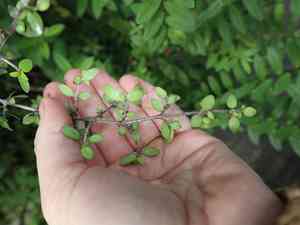
Beyond its ecological advantages, Swamp coprosma is also valued for its visual appeal. It boasts small, shiny leaves and can develop into an attractive shrub, adding greenery and texture to landscapes. This makes it a popular choice among landscapers aiming to enhance the natural beauty of wet, challenging terrains.
Ecological Advantages of Swamp coprosma
Habitat for Indigenous Birds
The dense foliage of Swamp coprosma offers vital habitat for native bird species. Birds like the New Zealand fernbird and other wetland birds utilize this plant for nesting and shelter, boosting biodiversity in wetland areas.
Erosion Prevention
Another significant advantage of Swamp coprosma is its capacity to stabilize soil and prevent erosion. The plantâs root system binds the soil together, lowering the risk of erosion in vulnerable wetland ecosystems. This is particularly beneficial in flood-prone areas where soil erosion can lead to habitat loss and reduced water quality.
Practical Uses of Swamp coprosma
Landscaping and Garden Design
Incorporating Swamp coprosma into landscaping and garden design can offer numerous benefits. Its tolerance to wet conditions makes it perfect for rain gardens and wetlands created for aesthetic or conservation purposes. Additionally, it can be part of a native plant garden, supporting local flora and fauna.
Water Quality Enhancement
The role of Swamp coprosma in improving water quality is undeniable. By preventing soil erosion and stabilizing wetland areas, this plant helps maintain clearer, cleaner waterways. Furthermore, its presence in wetland areas can assist in filtering out pollutants, contributing to the overall health of the ecosystem.
How to Grow Swamp coprosma in Your Environment?
Optimal Growth Conditions
To successfully cultivate Swamp coprosma, it's essential to understand its preferred growing conditions. This plant flourishes in moist, well-drained soils and adapts to various sunlight levels, from full sun to partial shade. Planting Swamp coprosma in an environment that mimics its natural wetland habitat will yield the best results.
Care Guidelines
Maintaining Swamp coprosma is relatively simple. Consistent watering is crucial, especially during dry periods, to ensure the soil remains moist. Pruning might be necessary to manage growth and maintain the desired shape and size. Additionally, monitoring for pests and diseases will help keep the plant healthy and thriving.



