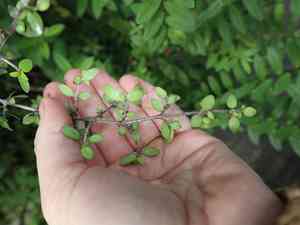
Swamp coprosma (Coprosma propinqua)
Also known as: Mingimingi, Prickly coprosma
The genus name of Coprosma propinqua comes from the Greek words for “dung” (kopros) and “smell” (osme), referring to its unpleasant scent. The Maori name “mingimingi” is also quite expressive. Nevertheless, it is a useful plant for hedges, windbreaks, and soil reclamation. Its translucent blue berries are eaten by birds. The wood is a source of yellow dye.
In This Article
Attributes of Swamp coprosma
Lifespan
Perennial
Plant Type
Tree, Shrub
Plant Height
3 m to 6 m
Spread
2 m
Leaf Color
Dark green
Flower Size
2 mm to 3 mm
Flower Color
Pale green
Images of Swamp coprosma
Quickly Identify Swamp coprosma
1
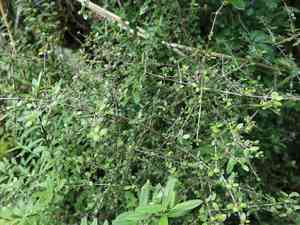
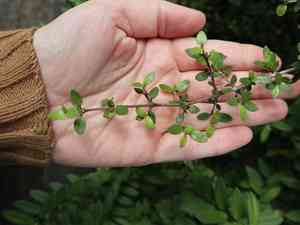
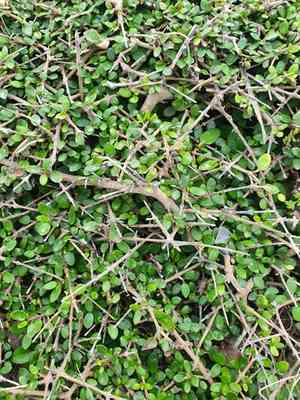
To identify Coprosma propinqua, look for its small, opposite leaves which are dark green and leathery. The plant has tiny, inconspicuous flowers and produces small, blue-black berries. Its stems are often wiry and can form dense thickets.
Scientific Classification of Swamp coprosma
Phylum
Vascular plants
Class
Dicotyledons
Order
Gentianales
Family
Madder
Genus
Mirrorplant
Species
Swamp coprosma
Planting and Growing of Swamp coprosma
Care Difficulty
Easy
Watering Schedule
Every 4 days
Sunlight Requirements
Partial sun
Sunshine Duration
4-8 hours
Ideal Temperature
60-75℉
Soil Type
Potting Mix, Peat Mix
Soil pH
6.5-7.5
Fertilizer Type
Balanced
Pruning Season
Spring, Summer
Pruning Area
Branches, Leaves
Pruning Frequency
2 times a year
Repotting Season
Spring
Pot Type
Terracotta, Plastic
 How to Water Swamp coprosma?
When watering Coprosma propinqua, it is crucial to ensure the soil is moist but not waterlogged. Aim to provide about 500 ml of water per session. The plant prefers the soil to dry slightly between waterings but should not dry out completely. This modest amount of water ensures that the roots receive adequate hydration without becoming oversaturated, fostering healthy growth and vibrant leaves.
What are the symptoms of an underwatered Swamp coprosma?
›
What should I do if my Swamp coprosma is not getting enough water?
›
What are the symptoms of an overwatered Swamp coprosma?
›
How to save an overwatered Swamp coprosma?
›
 What Are the Sunlight Requirements for Swamp coprosma?
Coprosma propinqua ideally enjoys partial to full sun, translating to benefits in robust growth and vibrant foliage, essential for sustaining its health and aesthetic qualities.
More About Sunlight Requirements Techniques→
What is the preferred sunlight exposure?
›
How can you achieve ideal lighting?
›
What are the benefits of ideal lighting?
›
 What Is the Ideal Temperature Range for Swamp coprosma?
Coprosma propinqua thrives in a moderately warm environment. An ideal temperature range of 60°F to 75°F is crucial for promoting healthy growth and development. This temperature window ensures optimal photosynthesis and nutrient uptake, leading to vibrant foliage and robust health.
 What Soil is Best for Swamp coprosma?
Coprosma propinqua thrives in well-draining soil which prevents waterlogging. This is vital as it reduces the risk of root rot, promoting overall plant health and vigorous growth. This plant prefers soil with moderate fertility. Rich soils can lead to lush foliage, but moderate fertility encourages balanced growth and resilience to environmental stresses. While well-draining, the soil should still retain some moisture to ensure consistent hydration. This balance supports sustained plant growth and vibrant leaf color.
 How to Fertilize Swamp coprosma?
For Coprosma propinqua, use a balanced fertilizer at half strength to avoid nutrient burn. In general, apply about 1/4 cup of liquid fertilizer for each plant per application to ensure it gets the nutrients it needs without overloading.
 How to Prune Swamp coprosma?
To maintain a tidy and attractive appearance for Coprosma propinqua, prune lightly each month. Focus on trimming back any shoots that disrupt the desired shape. Use sharp, clean pruning shears to make precise cuts just above a node or bud, encouraging the shrub to grow denser and more compact. For lush and vigorous growth, identify the older branches that seem overgrown or leggy. Cut these branches back significantly to promote the emergence of new shoots. This method rejuvenates the overall plant, enhancing its vitality and robustness. Always ensure cuts are smooth to prevent potential damage or disease. Regularly inspect Coprosma propinqua for any dead or diseased wood. Remove these branches promptly to prevent the spread of disease and improve air circulation throughout the plant. This step is crucial for keeping the plant healthy and reducing the risk of pest infestations.
More About Pruning Techniques→
 How to Propagate Swamp coprosma plant?
1
Start by collecting ripe seeds from the Coprosma propinqua plant. Clean the seeds to remove any pulp or residue to prevent fungal growth during germination.
2
Fill the seed tray with a well-draining mixture and place the cleaned seeds on the surface. Lightly cover the seeds with a thin layer of soil to ensure proper germination conditions.
3
Cut healthy, non-flowering shoots from the parent plant about 10-15 cm long. Remove the lower leaves and dip the cut end in a rooting hormone to enhance root development.
 How to Repot Swamp coprosma plant?
1
Coprosma propinqua requires repotting when roots start to circle the pot or escape through drainage holes, or when growth seems stunted even with proper care. Spring and autumn are ideal, providing the best balance between seasonal growth and reduced stress.
2
Select a pot just 2 inches larger in diameter than the current one. Ensure it has drainage holes to prevent water logging. A pot too large too quickly can lead to poor root development and potential plant health issues.
3
Pick a well-draining potting mix rich in organic matter. This ensures adequate moisture retention without waterlogging, providing an ideal growing environment that mirrors its natural habitat needs.
Learn More About Swamp coprosma Diseases
Anthracnose
Bacterial Leaf Spot
Black Spot
Chemical Injury
Crown Gall
Damping-off
Downy Mildew
Drought Stress
Fusarium Wilt
Gray Mold
Leaf Curl
Leaf Spot
Mosaic
Nutrient Deficiency
Nutrient Toxicity
Powdery Mildew
Root Rot
Root-knot Nematode
Rusts
Sooty Mold
Spider Mites
Temperature Stress
Thrips Damage
White Mold



