How to Transplant Mallow bindweed?
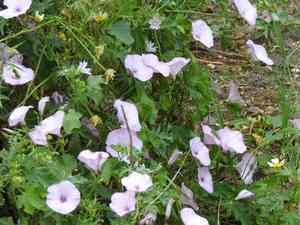
The ideal period to transplant mallow bindweed is during the embrace of warmth, spanning from the lively onset of late spring through the peak of midsummer. Select a location bathed in sunlight that offers excellent drainage. Should it be necessary, enrich the earth to foster robust root development.
What Preparations are Needed Before Transplanting Mallow Bindweed?
What is the Ideal Time for Transplanting Mallow Bindweed?
The perfect time for moving mallow bindweed is from the vibrant late spring through the warmth of mid-summer. This period offers stable temperatures and moderate rainfall, giving mallow bindweed the best balance of warmth and moisture for root establishment. Transplanting during these months allows mallow bindweed ample time to adapt and flourish before autumn's cooler weather arrives. The soil's warmth promotes root development, while longer daylight hours support photosynthesis, creating an ideal environment for mallow bindweed. Choose this season for a thriving mallow bindweed that will beautify your garden with its splendid flowers.
How Much Space Should You Leave Between Mallow Bindweed Plants?
Let's provide your mallow bindweed the room they need to thrive! Aim to space them approximately 12-16 inches (30-40 cm) apart. This ensures each plant has sufficient area to grow and prosper without competing for nutrients and sunlight.
What is the Best Soil Mix for Mallow Bindweed Transplanting?
To create an optimal environment for your mallow bindweed, blend organic compost into well-draining soil. A balanced slow-release fertilizer will provide an excellent start. I'd suggest checking the soil pH as well â mallow bindweed prefers a neutral to slightly alkaline range.
Where Should You Relocate Your Mallow Bindweed?
Select a sunny location for your mallow bindweed, as they enjoy soaking up full sunlight for at least 6 hours daily. This will encourage robust growth and abundant blooms. Simply avoid overly shaded areas, so your mallow bindweed can truly flourish!
What Equipments Should You Prepare Before Transplantation Mallow Bindweed?
Gardening Gloves
To safeguard your hands while digging and handling the mallow bindweed plant.
Spade or Shovel
To excavate around and beneath the plant and its root ball when removing it.
Garden Fork
To loosen the soil surrounding the plant's roots without causing excessive harm.
Pruning Shears
For trimming any dead or superfluous parts of the plant prior to transplanting.
Wheelbarrow or Garden Cart
For moving the mallow bindweed plant from its original spot to the new planting site.
Watering Can or Hose
To hydrate the mallow bindweed plant during and after the transplanting process.
How Do You Remove Mallow Bindweed from the Soil?
How Do You Remove Mallow Bindweed from the Soil?
From Ground: Hydrate the mallow bindweed plant to moisten the soil, increasing its flexibility and minimizing root damage. Next, use a shovel or spade to dig a wide circle around the plant. Use the tool to gently pry the root ball from the earth, ensuring minimal disruption to the roots.From Pot: Water the mallow bindweed to facilitate its removal. Tilt the container to one side and gently tap the bottom and sides to loosen the soil. Grasp the plant's base and very carefully ease the root ball out of the pot, keeping as much of the original soil intact as possible.From Seedling Tray: Water the seedlings to keep the soil cohesive. Use a garden fork or similar implement to lift the soil around the cell's edges. Support the mallow bindweed seedling by its leaves rather than its more fragile stem, and gently lift it from the tray while retaining the soil around its roots.
Step-by-Step Guide for Transplanting Mallow Bindweed
Digging the Hole
Excavate a hole in the ground that is twice the width and the same depth as the mallow bindweed plant's root ball to allow its roots ample space.
Inspecting the Roots
Examine the mallow bindweed plant's root ball and trim any broken or excessively long roots with pruning shears to encourage outward growth into the surrounding soil.
Positioning the Plant
Place the mallow bindweed plant in the center of the hole. The top of the root ball should be level with the surrounding ground for proper growth.
Refilling the Hole
Carefully backfill the hole with the soil you removed, patting down gently to eliminate air pockets and secure the mallow bindweed in place.
Watering
Thoroughly water the soil around the newly transplanted mallow bindweed to encourage root expansion and to settle the soil around the roots.
Mulching
Apply a layer of organic mulch around the base of the mallow bindweed to help retain soil moisture, regulate temperature, and reduce weed growth.
How Do You Care For Mallow Bindweed After Transplanting?
Monitoring for Stress
Observe the mallow bindweed over the subsequent days for indications of transplant stress, such as wilting or yellowing leaves, and take necessary corrective actions.
Staking
If the mallow bindweed is large or top-heavy, consider staking the plant to provide additional support as it establishes itself in its new location.
Pruning
Prune any damaged or dead parts of the mallow bindweed after transplanting to direct the plant's energy towards establishing new roots and healthy growth.
Gradual Sunlight Adjustment
If the mallow bindweed was previously grown in a shadier spot, gradually introduce it to the new level of sunlight to prevent shock, being careful not to overexpose it initially.
Troubleshooting Common Issues with Mallow Bindweed Transplantation.
When is the best time to transplant mallow bindweed?
The optimal period is from late spring into mid-summer when the weather stabilizes.
How much space should I leave between mallow bindweed plants?
Ensure to leave approximately 12-16 inches (30-40 cm) between plants for sufficient growth area.
Why is my transplanted mallow bindweed not thriving?
Possible reasons include incorrect planting depth, insufficient watering, or transplant shock. Ensure consistent post-transplant care.
How deep should I plant the root ball of mallow bindweed?
Plant the root ball at the same level it was growing in its previous location; not deeper.
Can I transplant mallow bindweed on a hot, sunny day?
It's best to transplant during cooler parts of the day to minimize stress and water loss.
What are the signs of transplant shock in mallow bindweed?
Wilting, yellowing, or dropping leaves can indicate shock. Keep soil moist and protect from intense sun.
How should I prepare the soil for transplanting mallow bindweed?
Loosen the soil and mix in compost to enhance fertility and drainage before planting mallow bindweed.
Should I fertilize mallow bindweed right after transplanting?
Wait 4-6 weeks before fertilizing to prevent root burn. Allow mallow bindweed to establish itself first.
How much should I water mallow bindweed after transplanting?
Keep the soil consistently moist for the initial few weeks, without waterlogging the plant.
Can I transplant mallow bindweed during its flowering period?
Transplanting during flowering can stress the plant. It's best done when the plant is not in bloom.



