How to Propagate Mallow bindweed?
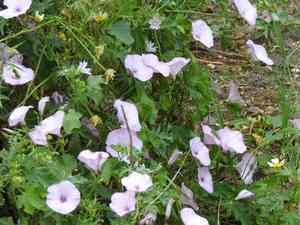
Convolvulus althaeoides is successfully multiplied by seeding. Cultivators ought to employ a potting blend that drains efficiently and sustain steady hydration for peak development. It is vital to sow the seeds on the surface, given their need for illumination to sprout. Careful handling is essential to safeguard the fragile seeds during placement. Establishing a favorable cultivation setting by guaranteeing sufficient sunlight and shelter from harsh climatic conditions will boost successful multiplication.
Optimal Period for Mallow Bindweed Propagation
Propagation Method
Seeding
Propagation Period
Spring
Tools for Mallow Bindweed Propagation
Seed Trays
Seed trays are vital for initiating mallow bindweed seeds under controlled conditions. Their flat, broad, and shallow design supports uniform sowing and efficient space utilization, ensuring optimal soil contact essential for good germination. This design also aids in even moisture and heat distribution, crucial for mallow bindweed germination.
Potting Mix
A premium potting mix offers the necessary nutrients and proper drainage for mallow bindweed. It should be light, well-draining, yet fertile, to support early root development. The mix's consistency allows delicate mallow bindweed roots to spread easily, boosting successful establishment post-germination.
Watering Can with a Fine Rose
A watering can equipped with a fine rose attachment is perfect for gently irrigating mallow bindweed seeds without displacement. The fine rose delivers a soft, even sprinkle of water that adequately moistens the soil without causing erosion or exposing seeds, thus improving germination rates.
Labels and Marker
Utilizing labels and a permanent marker to identify seed trays helps maintain precise records for propagating mallow bindweed. This practice is key for monitoring growth, specific care requirements, and identifying plant species in shared or complex garden setups.
Heat Mat
A heat mat is beneficial for providing a stable soil temperature, which is critical for mallow bindweed germination. As temperature variations can impact germination success, a heat mat ensures the soil maintains an ideal, consistent temperature to encourage uniform growth.
How to Propagate Mallow Bindweed?
Propagation Type
Simple
Caring for Your Newly Propagated Mallow Bindweed
Caring for Your Newly Propagated Mallow Bindweed
Once germinated, transfer mallow bindweed seedlings into individual pots when they are large enough to handle. Position them in a sunny to partially shaded spot and maintain moderate watering, allowing the soil to partially dry between waterings. Fertilize with a balanced, liquid feed every few weeks during the growing season. Monitor for pests and diseases, and manage them as needed. This care routine will help ensure healthy growth and flowering.
Common Mistakes to Avoid When Propagating Mallow Bindweed
Overwatering
Supplying too much water to mallow bindweed can lead to root rot, which significantly impairs the plant's ability to absorb nutrients and can ultimately be fatal.
Deep Planting
Planting mallow bindweed's cuttings or seeds too deeply can impede germination and growth because these plants require a certain amount of light and air exposure to initiate roots and shoots.
Ignoring Pest Control
Neglecting the presence of pests like aphids and spider mites can severely impact mallow bindweed's health, as these pests can spread diseases or significantly damage plants during sensitive propagation stages.
Tips For Propagating Mallow Bindweed
Appropriate Watering
Ensuring the soil is consistently moist but not waterlogged is crucial for mallow bindweed's successful root establishment without risking diseases associated with excess moisture.
Soil Type and Preparation
Using well-draining, fertile soil ensures that mallow bindweed has the optimal growing conditions to thrive. Incorporating organic matter can enhance soil texture and fertility, benefiting young plants.
Use of Rooting Hormones
Applying a rooting hormone to the cuttings can enhance mallow bindweed's chance of successfully developing roots, leading to healthier and more vigorous plants.



