How to Prune Mallow bindweed?
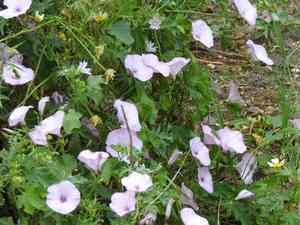
For optimal results, this enduring climbing plant should be trimmed in the spring or early summer to preserve its form and stimulate blossom production. When tending to mallow bindweed, consistently remove faded flowers and shorten excessively long stems once blooming concludes. This practice also aids in controlling its expansion, preventing it from becoming overly aggressive. Thoughtful elimination of aged, lignified branches fosters robust new development and improves the plant's vitality and aesthetic appeal. Always employ sanitized, keen implements for accurate incisions, thereby reducing strain on mallow bindweed.
What Are the Benefits of Pruning Mallow Bindweed?
What Are the Benefits of Pruning Mallow Bindweed?
Trimming mallow bindweed promotes robust development by encouraging fresh shoots and helps maintain its form for a compact, decorative garden display.
What Is the Best Time for Pruning Mallow Bindweed?
What Is the Best Time for Pruning Mallow Bindweed?
Pruning or trimming mallow bindweed in spring and early summer aligns with the plantâs active growth period, which typically follows the cessation of the cold winter season. Trimming during spring allows mallow bindweed to recover rapidly and put out new growth, as the plant's energy reserves are high and directed towards growth and development. Correctly timed pruning ensures that the plant has enough time to heal before the onset of winter, reducing the risk of frost damage to new cuts. Pruning in spring also helps to remove any frost-damaged or dead material from the winter, which can help prevent disease and pest infestations. In early summer, light pruning can be beneficial to shape the plant or control its size, taking care not to remove too much growth, which could affect flowering. Since mallow bindweed blooms on the current year's growth, it makes spring and early summer the ideal seasons to ensure the plant maintains its vital energy for blossoming as well as its overall health.
What Tools Do I Need to Prune Mallow Bindweed?
Hand Pruners
Hand pruners are ideal for severing slender stems and small branches of mallow bindweed. Their compact size allows for precise shaping without causing undue harm to the stalks.
Shears
Shears are effective for trimming and shaping the foliage of mallow bindweed. They provide a wider cutting surface which is ideal for managing the dense growth of the plant.
Pruning Saw
A pruning saw may be required for the removal of thicker, woody stems of mallow bindweed that hand pruners cannot handle. The saw allows for a clean cut, which is beneficial for the plant's health.
How to Prune Mallow Bindweed
Clean tools
Before beginning, ensure all pruning implements are clean and sterilized to prevent disease transmission to mallow bindweed.
Remove diseased leaves
Carefully inspect mallow bindweed for diseased leaves. Gently remove them by cutting at the base of the leaf stem, using sharp and clean pruning shears.
Remove withered leaves
Identify withered leaves, which may appear dry or discolored, on mallow bindweed. Prune these leaves at their base to promote healthy growth and improve air circulation.
Cut diseased stems
Examine mallow bindweed for any diseased stems. Make a clean cut on the stem just above a healthy leaf node or bud, ensuring not to harm the main structure of the plant.
Dispose trimmed parts
Dispose of all removed diseased and withered leaves and stems from mallow bindweed appropriately. Do not compost these parts as they could spread disease.
Common Pruning Mistakes with Mallow Bindweed
Over-pruning
Removing too much growth at once can stress mallow bindweed, potentially hindering its ability to recover and flourish.
Improper tool use
Using dull or dirty tools can create jagged cuts that make mallow bindweed susceptible to diseases and pests.
Pruning healthy growth
Inexperienced gardeners may unintentionally cut away healthy stems and leaves, which can reduce the plant's vigor and flowering potential.
Ignoring plant structure
Failing to consider the natural shape and growth habit of mallow bindweed during pruning can lead to an imbalanced and aesthetically unpleasing plant.
Neglecting to sterilize
Not sterilizing pruning tools between uses can spread diseases from one plant to another.
Indiscriminate cuts
Random or haphazard cutting without understanding the growth patterns of mallow bindweed can damage the plant and disrupt its growth.
Common Pruning Tips for Mallow Bindweed
Selective pruning
Focus on removing only the dead, diseased, or damaged stems to promote the health and appearance of mallow bindweed.
Moderation
Prune gradually, taking care to not remove more than a third of the plant's growth at any one time to avoid plant shock.
Proper technique
Make clean, angled cuts just above a leaf node or bud to encourage mallow bindweed to branch out and become fuller.
Tool maintenance
Use sharp, clean pruning shears or a knife to make precise cuts that will heal quickly and minimize stress to mallow bindweed.
Aftercare
Following pruning, provide mallow bindweed with adequate water and nutrients to support recovery and new growth.
Understanding growth patterns
Recognize that mallow bindweed blooms on new wood, so pruning should aim to promote new growth where flowers will appear.



