The Mallow bindweed Plant Advantage: Maximizing Home and Office Appeal and Wellness
1
Mallow bindweed is recognized for its attractive pink blossoms and vining growth.
2
It offers advantages to pollinators such as bees and butterflies.
3
Mallow bindweed has found application in historical customs due to its diverse characteristics.
What are the Main Characteristics of Mallow bindweed?
Appearance and Growth Habit
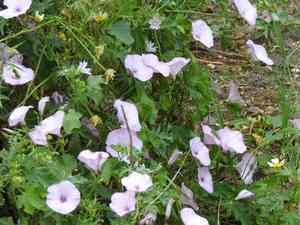
A prominent attribute of Mallow bindweed is its delicate, pink, trumpet-shaped blossoms that appear abundantly during its blooming period. The plant displays a climbing or trailing growth pattern, making it ideal for covering fences, trellises, or as ground cover in a garden. Its foliage is equally appealing, with lance-shaped leaves that complement the floral display.
Native Environment and Optimal Growing Conditions
Mallow bindweed originates from Mediterranean areas and flourishes in sunny spots with well-drained soil. It is a robust plant, able to endure dry conditions once established. Full sun exposure promotes profuse flowering, while moderate irrigation keeps the plant healthy and vibrant. This adaptability makes Mallow bindweed a low-upkeep addition to any garden.
How Can Mallow bindweed Benefit Your Garden?
Attracting Pollinators
A significant advantage of incorporating Mallow bindweed into your garden is its capacity to draw in pollinators such as bees, butterflies, and other beneficial insects. The flowers offer a rich nectar source, making it a magnet for these creatures. This not only aids in the plant's reproduction but also supports the local ecosystem by fostering biodiversity.
Erosion Control and Soil Enrichment
The strong root system of Mallow bindweed assists in preventing soil erosion, particularly in areas prone to water runoff. When utilized as ground cover, it binds the soil, reducing the likelihood of erosion. Furthermore, the plant contributes to soil health by adding organic matter as it decomposes, thereby enhancing the soil's nutrient content.
What Are the Practical Uses of Mallow bindweed?
Traditional Applications
Mallow bindweed has a long history of being employed in traditional practices for various purposes. While primarily valued for its ornamental appeal, older customs have utilized different parts of the plant for diverse benefits. It's crucial to note that modern use should be based on proper understanding and guidance.
Decorative and Landscaping Applications
Mallow bindweed is a favorite among gardeners and landscapers for its aesthetic charm. Its trailing vines and vibrant flowers are perfect for creating a picturesque garden setting. Whether used in hanging baskets, climbing supports, or as a cascading ground cover, Mallow bindweed adds a touch of elegance and natural beauty to any outdoor space.
Why is Mallow bindweed Environmentally Friendly?
Drought Resistance
One of the prominent characteristics of Mallow bindweed is its drought tolerance. This feature makes it an eco-conscious choice for gardens, especially in regions experiencing water scarcity. By requiring less water, Mallow bindweed helps conserve this precious resource while maintaining its lush appearance.
Low Maintenance Requirements
Mallow bindweed is known for its minimal care needs, making it an excellent option for both new and experienced gardeners. It requires little fertilization and can thrive in less-than-ideal soil conditions. This resilience reduces the need for chemical interventions, contributing to healthier and more sustainable gardening practices.
How to Care for Mallow bindweed?
Watering and Feeding
While Mallow bindweed tolerates dry conditions, consistent watering during arid periods will encourage robust growth and abundant flowering. It's best to water deeply but infrequently to mimic natural rainfall patterns. Fertilizing the plant with a balanced feed during the growing season can further boost its health and floral display.
Pruning and Propagation
Pruning Mallow bindweed helps maintain its form and promotes bushier growth. This is best done after the flowering season. For propagation, Mallow bindweed can be grown from seeds or cuttings. Seeds should be sown in well-drained soil, while cuttings should be rooted in moist, sandy soil in a shaded area until established.



